 IUX
IUX
 Exness
 Vantage
 XM
XM
 ICMarkets
 LiteFinance
 Moneta
 Tickmill
 South Africa (9)
 India (9)
 Bangladesh (12)
 Germany (9)
 Thailand (10)
 Philippines (9)
 Nigeria (10)
 Vietnam (10)
 Malaysia (9)





Is LiteFinance Regulated in the Philippines?



Share:
Share:
Broker
6 min read
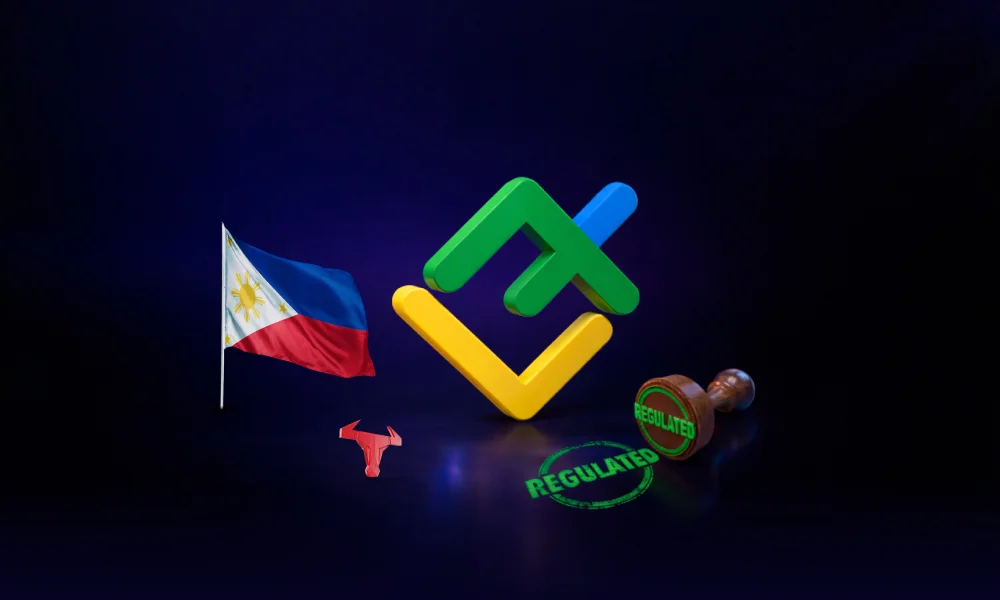
Forex Trading is indeed very popular in the Philippines. And without a doubt, there are tons of global traders studying and analyzing the Philippines Trading market.
If you are one too, you are in the right place.
As a broker, a very common topic in this regard is “LiteFinance.”
And subsequently arises a very common question that users keep asking.
“Is LiteFinance Regulated In The Philippines?’’
“Is It Legal and Safe?”
To comprehend this aspect clearly, we have to understand certain aspects.
Via this discussion, let us first briefly understand what LiteFinance is, break down their regulatory status, their implications, and most importantly, what it means for our Filipino brothers and sisters who are into trading and are interested in knowing about the regulatory status of LiteFinance.
But, first and foremost:
What Is LiteFinance?
LiteFinance is an online forex and CFD broker. They have been around since 2005. They are affiliated with popular platforms like MetaTrader 4 and MetaTrader 5. They also offer trading in currency pairs. LiteFinance has a global client base with a minimum deposit that goes as low as $10.
Interested in knowing more about LiteFinance?
Click here and skim through our extensive review of LiteFinance.
|
Did You Know?
LiteFinance was previously known as LiteForex.
|
How to Be A Regulated Broker In The Philippines?
In case you are not aware, financial services like Forex are to be brought under the SEC, that is, the Securities and Exchange Commission. In the Philippines, if an entity such as LiteFinance intends to operate as a broker, it must be licensed and regulated by the Securities and Exchange Commission.
Without this license, it is not possible for the broker to operate within the country.
But let me just address your major concern right now.
Is LiteFinance Regulated In The Philippines?
No, they are not.
LiteFinance is not regulated in the Philippines.
Because it is not licensed by the Philippine Securities and Exchange Commission.
So, how will Filipino traders have access to LiteFinance?
They will access LiteFinance under international regulatory frameworks such as CySEC or global entities like SVG.
Knowing this alone will not be enough. You have to understand precisely what it means for the Filipino Traders and the aftermath.
Implications of Regulation For The Filipino Traders
When a broker is licensed by the Philippine SEC, traders get protection from the SEC for using that particular broker.
If LiteFinance were regulated by the Philippine SEC, the authorities would provide the following for the Filipino Traders:
1. Investor Funds Protection Under the Country Law
As the name suggests, if regulated, Filipino traders’ funds would be protected under the local laws and regulatory requirements. An example would be the mandatory segregation of the client's funds from those of the accounts of the broker used for operational purposes.
Again, in cases of issues like regulation violations or even insolvency, the Philippine authorities can actually intervene and protect the funds. But, since LiteFinance is not regulated, this is not possible in this particular case.
2. Dispute Resolution Framework Legally
Filipino traders would be able to have access to a legally binding resolution process while using LiteFinance if LiteFinance were regulated by the Philippine SEC.
But what exactly does it mean?
It means it would let traders file complaints directly with the SEC. Let’s say something like unfair trading practices or a contractual dispute. Owing to the regulation, the authority will be able to investigate the broker, look into the compliance, and even enforce penalties.
3. Regulatory Consumer Protection
To explain this simply, this basically implies the intention to safeguard the retail investors.
And how is it done?
It is done by ensuring that the broker is in compliance with the local consumer protection standards.
Examples would include transparency when it comes to the pricing or marketing practices, protection from misleading or aggressive promotion, and proper disclosures of risk.
This overall helps ensure that the Filipino traders are being provided with clear information throughout the trading. Unfortunately, as I mentioned before, since LiteFinance is not regulated by the Philippines SEC, it is not applicable for Filipino traders who use LiteFinance.
International Regulations Of LiteFinance
Although LiteFinance is not regulated by the Philippines SEC, it is indeed regulated by other legal entities around the world.
The first one we need to know about is CySEC, which is the Cyprus Securities and Exchange Commission. It is an EU-based regulatory entity. This means that in European jurisdictions, LiteFinance operates under strict regulatory frameworks, offering a layer of safety for traders.
Nextly, there is also SVG, the full form of which is St. Vincent and the Grenadines. Although it is not a top regulator like CySEC or the FCA, it is widely regarded as an offshore jurisdiction. They impose fewer restrictions but do not offer firm investor protection, which is something we all should keep in mind.
Is LiteFinance Safe To Use?
Well. I would not say outright that LiteFinance is absolutely safe to use.
Firstly, within the Philippines, it is not regulated by the SEC.
Secondly, it does not offer top-tier protections from authorities like the FCA or ASIC.
It is, although regulated by CySEC and SVG, which I have already mentioned, is an offshore regulator with less oversight. So, I would not term it as absolutely safe.
Steps To Verify The Regulations Of The Broker In the Philippines
- There is a public list of brokers registered with the Philippines SEC. If a broker is not found in that list, it means that the broker is not licensed locally within the country. Click here to check the Philippine SEC website.
- You can also check the official website of the top regulatory entities, such as the FCA, ASIC, or CySEC. This will help you identify brokers with weak oversight and potentially avoid scams.
Key Takeaways
Ultimately, if we are to shed light on the key question of today, then:
LiteFinance is not regulated in the Philippines.
To be regulated in the Philippines, it needs to be regulated by the Philippines SEC. Although it is regulated internationally by the likes of CySEC.
If you are a Filipino trader, you can open your LiteFinance account with the international entities, but there will be no local protections in terms of regulations.
One final piece of advice from my end would be to remember the fact that opting for brokers with strong international regulations might be beneficial, but it is not a proper replacement for local licensing.
FAQs
Is LiteFinance Regulated in the Philippines?
No, LiteFinance is not regulated in the Philippines.
How to Verify the Regulatory Status of a Broker?
The regulatory status of a broker can be verified from the list of officially listed brokers of the SEC or by checking the broker’s license number on the official website.
Is International Regulation Enough Even if There is no Local Regulation?
No, internationally regulatory authorities cannot be a replacement for the local regulation to be imposed by the SEC.
F. Nathan
Felix Nathan is a professional trader, market analyst, and business development executive with over a decade of experience in the forex and financial markets. Felix specializes in providing actionable market insights, trading strategies, and risk man...