 IUX
IUX
 Exness
 Vantage
 XM
XM
 ICMarkets
 LiteFinance
 Moneta
 Tickmill
 South Africa (9)
 India (9)
 Bangladesh (12)
 Germany (9)
 Thailand (10)
 Philippines (9)
 Nigeria (10)
 Vietnam (10)
 Malaysia (9)




How to Open a Forex Trading Account?
Share:
Share:
Education
7 min read
You’ve likely come across stories of people growing small amounts of money through forex trading.
While the results vary, the first step in joining the global currency market is always the same: opening a forex trading account.
In this guide, I’ll walk you through what a forex trading account is, how it works, and what you need to get started.
Before Anything Else, What is Forex?
Forex, short form of “foreign exchange”, is the global marketplace where currencies are bought and sold.
It operates 24 hours a day, five days a week, and facilitates the exchange of one currency for another, such as converting U.S. dollars (USD) into euros (EUR).
With over $6 trillion in daily trading volume, it is the largest and most liquid financial market in the world.
Forex trading is important in global commerce, travel, investment, and economic policy, and it is accessible to governments, banks, corporations, and everyday individuals.
Easiest Way to Open a Forex Trading Account (5 Easy Steps)
Here are the most easiest 5 ways to open a forex trading account:
Step 1: Choose a Reputable Forex Broker
The first, and arguably most important step in opening a forex trading account is selecting the right broker. This decision will affect your trading experience, especially as a beginner.
Here’s what to look for in a good forex broker:
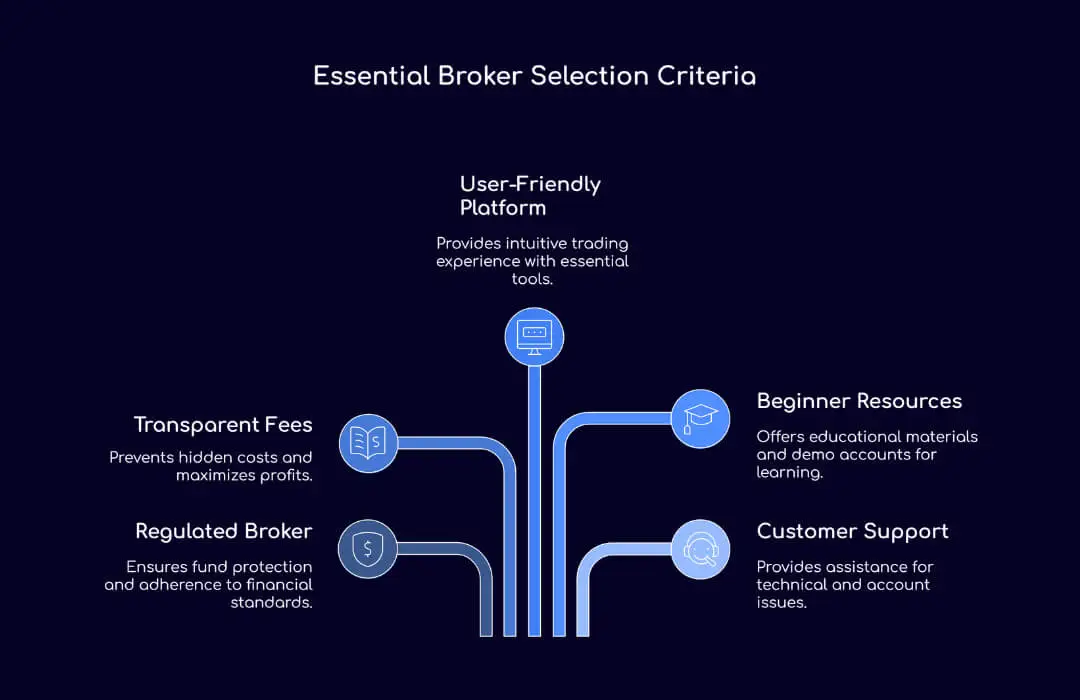
Make Sure They Are Regulated
Always check that the broker is regulated by recognized financial authorities. Top-tier regulators include-
- FCA (Financial Conduct Authority – UK)
- CFTC (Commodity Futures Trading Commission – US)
- ASIC (Australian Securities and Investments Commission)
- CySEC (Cyprus Securities and Exchange Commission).
A regulated broker is required to follow strict financial standards, which ensure your funds are protected. So, keep this in mind, if you want to protect your funds.
They Need to Have a Transparent Fee Structure
Look for brokers that are upfront about their trading costs, spreads, commissions, overnight swap fees, and withdrawal charges. Hidden fees can eat into your profits faster than you can say ‘ABC’.
Ensure They Have a User-Friendly Trading Platform
Whether you're using MetaTrader 4 (MT4), MetaTrader 5 (MT5), or a proprietary web-based platform, the software should be intuitive, responsive, and packed with tools like charts, indicators, and news feeds.
You need the most to guide you in forex trading, so ensure the platform you use offers that on a platter.
Check If They Have Beginner-Friendly Resources
Quality brokers often provide demo accounts, educational webinars, how-to articles, and strategy guides to help you learn the ropes before risking real money.
A broker shouldn’t expect you to know everything right off the bat. If they don’t have tools and resources for learning, they are not for you.
Customer Support Services
Responsive and accessible support, through live chat, email, or phone, can be a lifesaver, especially when you are facing technical or account issues.
Some beginner-friendly brokers that meet these criteria include:
- IG, a trusted and globally regulated, with strong educational resources.
- OANDA, which is known for low minimum deposits and powerful trading tools.
- XM, which offers a range of account types and free educational webinars.
Choosing the right broker sets the foundation for a safer and smoother trading experience.
Step 2: Decide on the Type of Account You Need
Forex brokers typically offer a range of account types for different trader profiles. When you understand the differences, you can easily choose an account that aligns with your experience, risk appetite, and trading goals.
Here are the most common types of trading accounts:
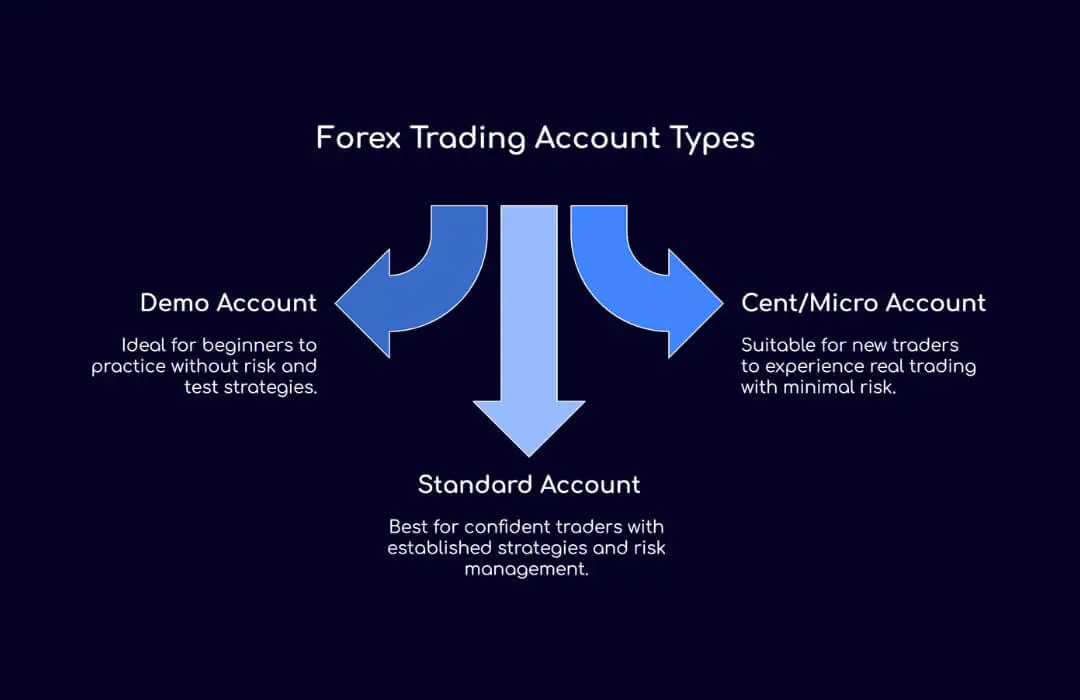
Demo Account
Think of this as your training ground.
A demo account lets you trade in real-time market conditions, use virtual funds (with no risk of losing real money), practice placing orders, managing trades, and using trading platforms, and test different strategies before going live.
Demo accounts are best for total beginners or anyone testing a new broker or trading method.
The idea is to treat your demo like a real account so you can build discipline from day one.
Cent / Micro Account
These accounts are designed for new traders who want to go live without risking much capital.
Minimum deposits can be as low as $1–$10, while trades are executed in cents, not dollars, giving you more breathing room.
These accounts are perfect for building confidence while still experiencing real trading emotions
Cautious beginners and small-budget traders who want to trade live with minimal risk will get the most from using cent and micro accounts.
Standard Account
This is a full-featured account where you trade standard lot sizes and face standard spreads and possibly small commissions.
This type of account needs a higher minimum deposit, often between $100 and $500.
Traders who are confident in their strategies and risk management after practicing on demo or micro accounts will benefit the most from a standard account.
If you're brand new, start with a demo account to learn the ropes. Once you’re comfortable, move to a cent or micro account to experience real trading without the high stakes. Only upgrade to a standard account when you’ve developed consistent discipline and strategy.
Step 3: Complete Account Application
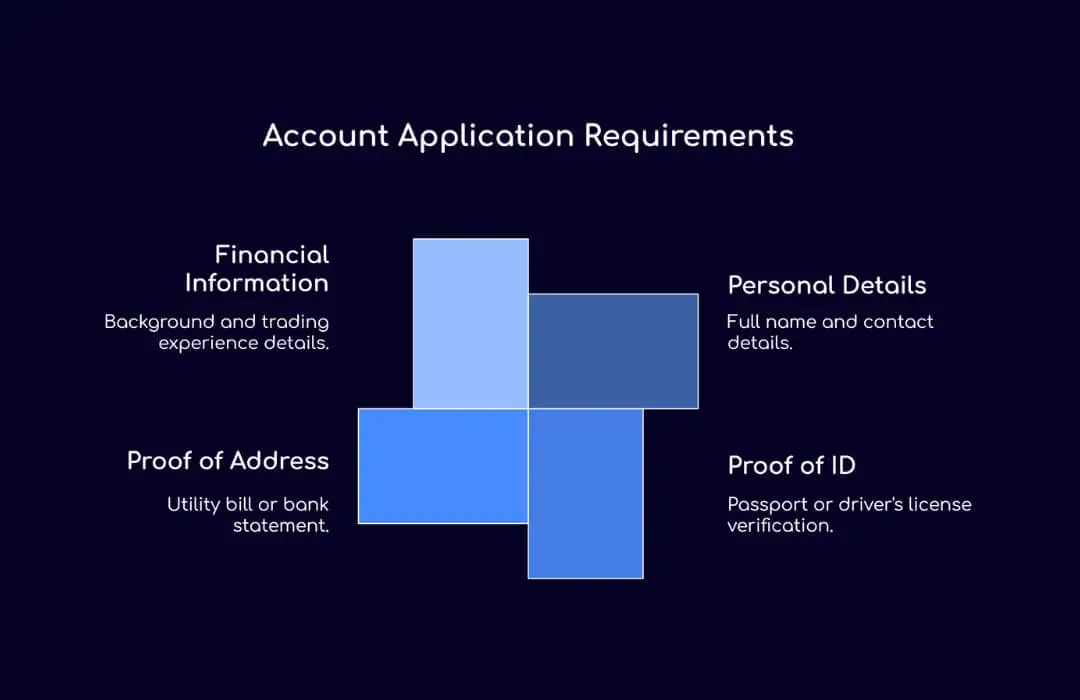
Once you pick your broker and account type, you’ll need to fill out an online form. This typically asks for your:
- Full name and contact details
- Proof of ID (such as your passport, driver’s license)
- Proof of address (a recent utility bill, bank statement)
- Financial background and trading experience (for compliance reasons)
It sounds lengthy, I know, but most applications take less than 15 minutes to complete. So, the process is mostly a breeze as long as you have all you need.
Step 4: Verify Your Identity (KYC Process)
Before you can start trading with real money, most reputable forex brokers are required to verify your identity.
This step is part of the KYC (Know Your Customer) and anti-money laundering (AML) regulations designed to protect both you and the financial system.
But, before this process goes through, you’ll need to provide a couple of things first…
Proof of Identity
This could be a government-issued ID such as a passport, national ID card, or driver’s license. It must be valid, clearly visible, and match the name you registered during the registration process.
Proof of Address
The proof of address is often a recent utility bill, bank statement, or official government correspondence. Document should be dated within the last 3 months and show your full name and residential address.
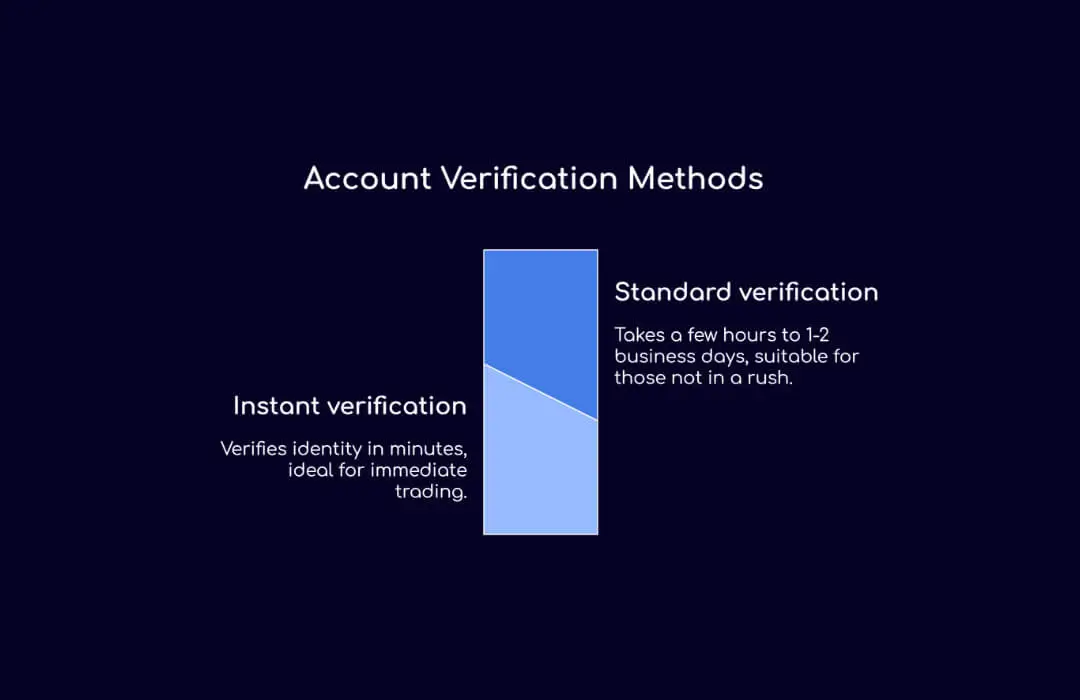
The KYC process can take Standard verification can take anywhere from a few hours to 1–2 business days, depending on how fast the broker processes your documents.
Meanwhile, instant verification also exists. Some brokers use automated systems that verify your identity in minutes. This is great if you want to get started immediately, and don;t want to wait.
Step 5: Fund Your Account and Start Trading
You’re almost there! Choose your preferred deposit method, whether bank transfer, debit/credit card, or e-wallet, and fund your account.
The minimum amount for deposits tends to vary, but you can start from $10 to $100.
Once you have done that, you can start trading using platforms like MetaTrader 4 or MetaTrader 5 on your desktop or mobile device.
Start Small
Your first real step in forex trading is opening an account. The best way to go about it is to open a demo account and practice with it; learn the ropes and get a hang of everything, first.
Once your skills are polished enough for the real world, open a live forex account and try out the strategies that worked for you in the demo account. Remember, only risk 1-2% of your margin on a particular trade.
F. Nathan
Felix Nathan is a professional trader, market analyst, and business development executive with over a decade of experience in the forex and financial markets. Felix specializes in providing actionable market insights, trading strategies, and risk man...