 IUX
IUX
 Exness
 Vantage
 XM
XM
 ICMarkets
 LiteFinance
 Moneta
 Tickmill
 South Africa (9)
 India (9)
 Bangladesh (12)
 Germany (9)
 Thailand (10)
 Philippines (9)
 Nigeria (10)
 Vietnam (10)
 Malaysia (9)




Voted for the best STP brokers for 2026. Chosen for fast order routing, zero dealing desk, and reliability.



STP sits between two extremes. Market makers control pricing and often trade against you. Pure ECN delivers raw interbank spreads but requires higher minimum deposits and more hands-on cost management.
STP routes your orders directly to liquidity providers without a dealing desk, removes the conflict of interest, and typically delivers tighter spreads than a market maker at a lower entry cost than a premium ECN account.
The practical result for most traders is faster fills than a dealing desk, no requotes in normal conditions, variable spreads that reflect real liquidity, and a commission or spread markup that the broker earns regardless of whether your trade wins or loses.
That last point matters: an STP broker has no financial incentive to move the market against you.
You can also compare with our best ECN brokers, best low spread brokers, or use the broker comparison tool to put specific numbers side by side.
| Broker | Min. Deposit | Spreads | Commission | Regulation | Platforms |
|---|---|---|---|---|---|
| Exness | $50 | 0.0–0.3 pips | $0–$3.50 | CySEC, FCA | MT4, MT5 |
| XM | $5 | 0.8–1.6 pips | $0–$3 | ASIC, CySEC, DFSA | MT4, MT5, WebTrader |
| LiteFinance | $50 | 0.0–3.0 pips | $0.25 | SVG, CySEC | MT4, MT5, cTrader |
| OctaFX | $25 | 0.6 pips | $0 | FCA, CySEC | MT4, MT5, OctaTrader |
| RoboForex | $10 | 0.0–1.3 pips | Varies | FSC | MT4, MT5, WebTrader, R Stocks |
| TickMill | $100 | 0.0–1.6 pips | $0–$3.50 | FSA, CySEC | MT4, MT5, Web |
When you place a trade with an STP broker, the platform forwards your order directly to one or more pre-selected liquidity providers, typically major banks and non-bank institutions.
The broker does not take the other side of your trade. Your order matches with the best available price from the liquidity pool and executes at that price.
The broker's revenue comes from a commission per lot or a small markup added to the raw liquidity provider spread. Either way, the broker earns the same amount regardless of whether your trade is profitable.
This removes the conflict of interest that exists in a market-maker model where the broker profits when you lose.
Variable spreads are a natural consequence of STP routing. During the London-New York overlap when liquidity is highest, spreads on major pairs typically tighten significantly.
During the Asian session or around news releases, spreads widen as liquidity providers adjust their quotes. This is honest market pricing rather than a broker choosing what you pay.
Expert Tip: To verify STP execution, place the same trade size on two different currency pairs at the same moment and check whether both fill in under 200ms without requotes.
Genuine STP routing handles concurrent orders cleanly. A dealing-desk broker routing orders manually will show delays or rejections on the second concurrent order.
Exness operates across multiple account types combining STP and ECN routing depending on the account selected. The Standard and Pro accounts use STP execution, routing orders directly to liquidity providers with no dealing desk.
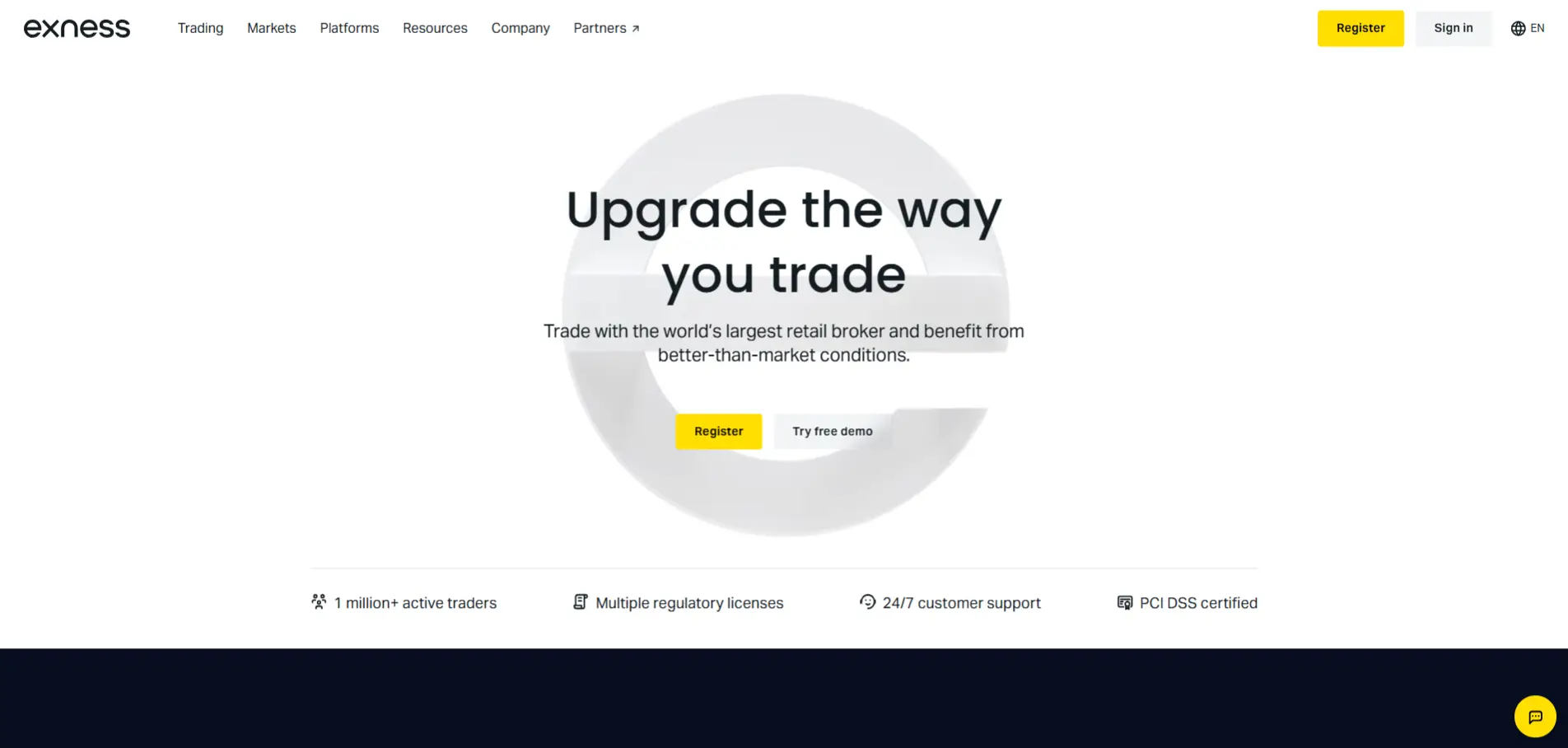
Spreads on the Standard account start from 0.0 pips on major pairs during peak sessions, with the Pro account delivering tighter average spreads for higher-volume traders.
The broker processes over $4 trillion in monthly trading volume globally, which reflects infrastructure maintained at institutional scale. Execution runs consistently under 50ms.
The Exness Go mobile app delivers the same execution quality as the desktop platform. Five account types cover the full range from cent accounts to professional ECN setups.
Regulated by CySEC and FCA with independently audited financial statements published publicly. Client funds are held in segregated accounts. Minimum deposit is $50. Withdrawals process without broker-side fees on most payment methods. Scalping is permitted on all account types.
Strengths: Volume-tested infrastructure, zero withdrawal fees, 0% stop-out level, Islamic accounts, broad local payment support, transparent financial reporting.
Worth Noting: Unlimited leverage on some accounts carries proportional risk. Apply strict position sizing regardless of what the account allows.
Exness ranks in our best fast execution brokers and best high-leverage brokers lists. Popular across Asia, Bangladesh, India, and Pakistan.
XM's STP model routes orders through a robust multi-source liquidity system that keeps fill quality consistent during both normal and volatile market conditions.
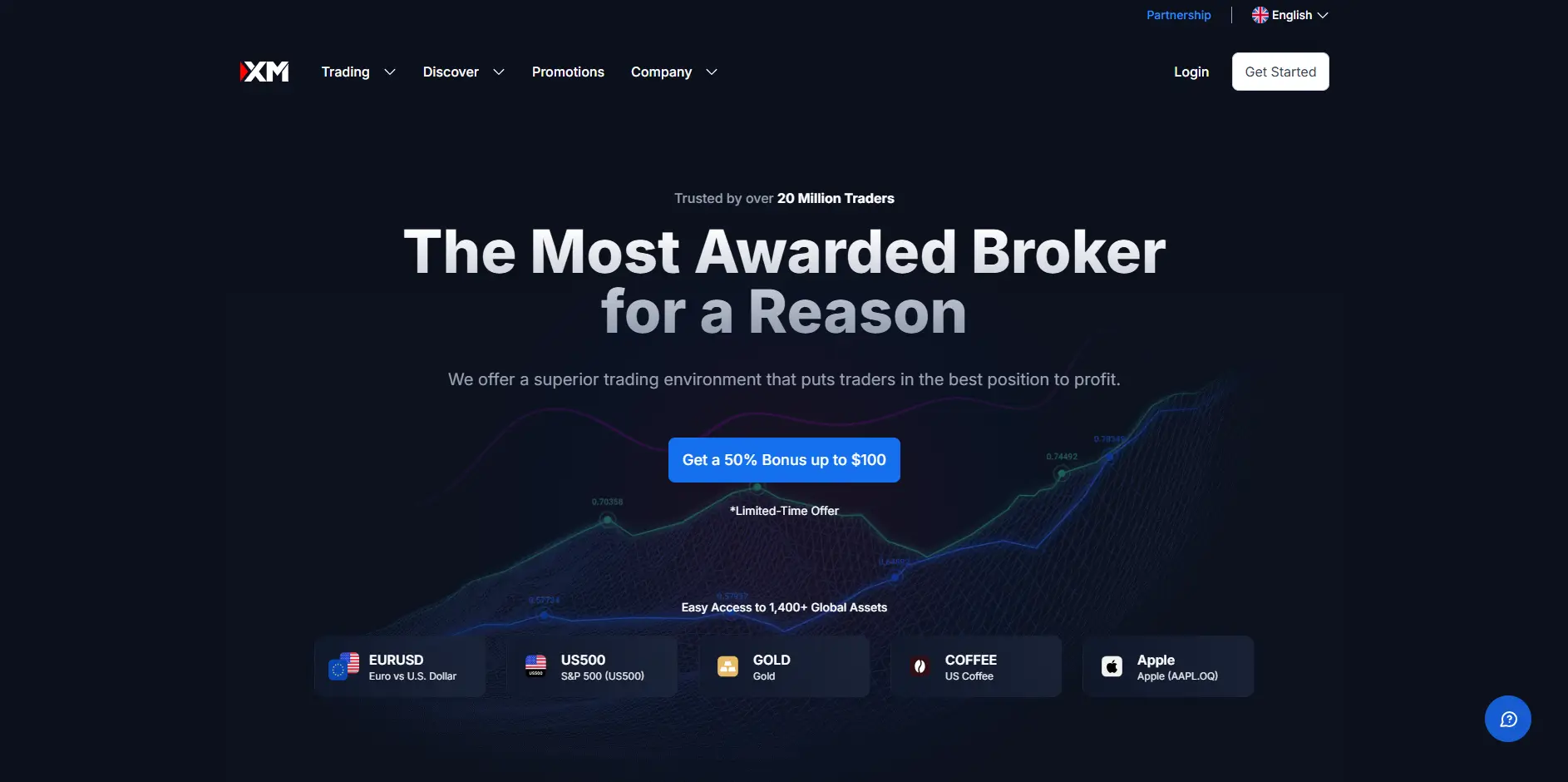
The broker holds the strongest regulatory standing on this list with licenses from ASIC, CySEC, and DFSA simultaneously. Zero requotes is a consistent feature across all account types, which is a reliable indicator of genuine no-dealing-desk routing.
Four account types are available: Micro, Standard, Zero, and Ultra Low. The Micro and Standard accounts are commission-free with spreads from 0.6 pips, which suits traders who prefer simple all-in pricing.
The Zero account delivers spreads from 0.0 pips with commissions up to $3 per lot for active traders where the per-trade cost breakdown matters.
The $5 minimum deposit is the lowest here. MT4, MT5, and WebTrader are all available alongside the XM mobile app. MQL5 marketplace integration within MT5 gives access to thousands of verified EAs. Educational resources are the most comprehensive of any broker reviewed on this page.
Strengths: Strongest regulatory profile, zero requotes, lowest minimum deposit, MQL5 integration, Islamic accounts, thorough education content.
Worth Noting: Not available to US traders. Spreads on Standard accounts are wider than ECN alternatives.
XM is listed in our best brokers for beginners rankings. Popular in Malaysia, Nigeria, Vietnam, and the Philippines. Check deposit bonuses and no-deposit bonuses for eligible accounts.
LiteFinance offers both ECN and STP accounts, with the STP Classic account providing a no-commission spread-based structure suited to moderate-frequency traders.
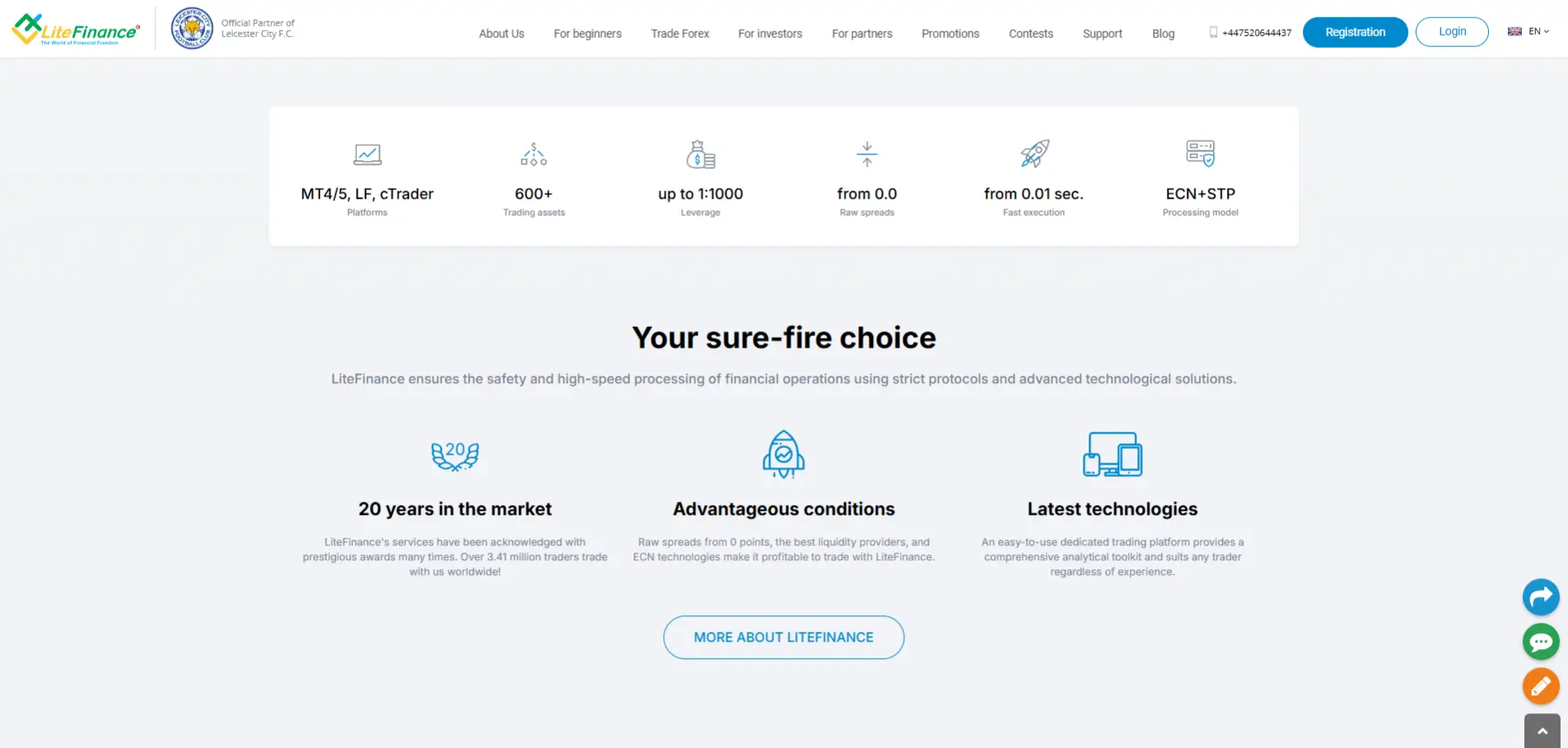
The ECN account at $0.25 per lot commission is the most cost-efficient ECN-model option on any TopAsiaFX reviewed list, making LiteFinance a strong bridge between pure STP and professional ECN pricing depending on which account is selected.
The broker has operated since 2005 and introduced cent accounts early, making live low-capital strategy testing practical before most brokers considered it.
Copy trading is built natively into the platform. MT4, MT5, and cTrader are all supported. Withdrawals process automatically on most payment methods with no broker-side fees.
Regulated by SVG and CySEC. Minimum deposit is $50. Spreads on the STP account widen more during off-peak hours than IC Markets or FP Markets, so the tightest conditions occur during the London and New York sessions.
Strengths: Both ECN and STP models available, lowest ECN commission per lot, copy trading, cent accounts for live testing, long operating history.
Worth Noting: Spreads widen more off-peak than pure ECN alternatives. London and New York sessions give tightest conditions.
LiteFinance is listed in our social trading brokers section. Popular in South Africa, Vietnam, and the Philippines.
OctaFX delivers STP execution with no commission on any account type, earning revenue through a small spread markup. Spreads on major pairs average 0.6 pips, which is competitive for a no-commission structure.
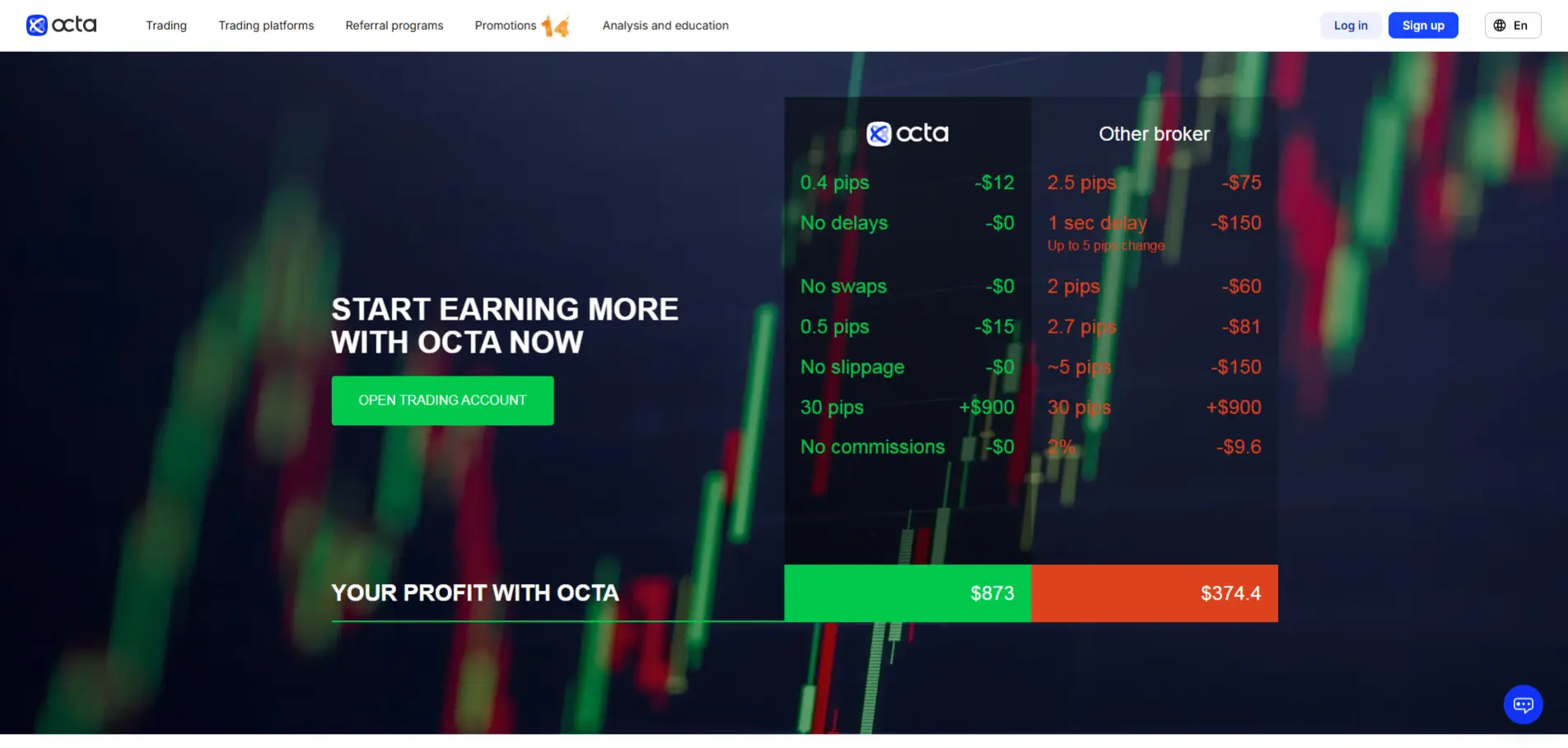
Regulated by FCA and CySEC, giving it stronger regulatory standing than most no-commission STP brokers at this price point.
MT4, MT5, and the proprietary OctaTrader app are all available. The OctaTrader platform is lighter and faster than MT4 for traders who do not need custom indicator setups. Scalping is permitted. The $25 minimum deposit is accessible and no broker-side fees apply on standard withdrawal methods.
The broker has a strong presence across Asian and Middle Eastern markets, with multilingual customer support running 24/7. Islamic accounts are available. Demo accounts have no time limit.
Strengths: FCA regulated with no commissions, OctaTrader app for lighter execution, 24/7 support, fast withdrawals, Islamic accounts.
Worth Noting: Average spreads are slightly wider than raw ECN alternatives. No US client access.
OctaFX is well established across Asian markets and the Middle East. Check the Islamic accounts comparison for swap-free conditions.
RoboForex's STP model runs across its standard account types, routing orders through direct liquidity provider connections. Spreads start from 0.0 pips on ECN accounts and the STP Pro account delivers competitive variable pricing for moderate-frequency traders.
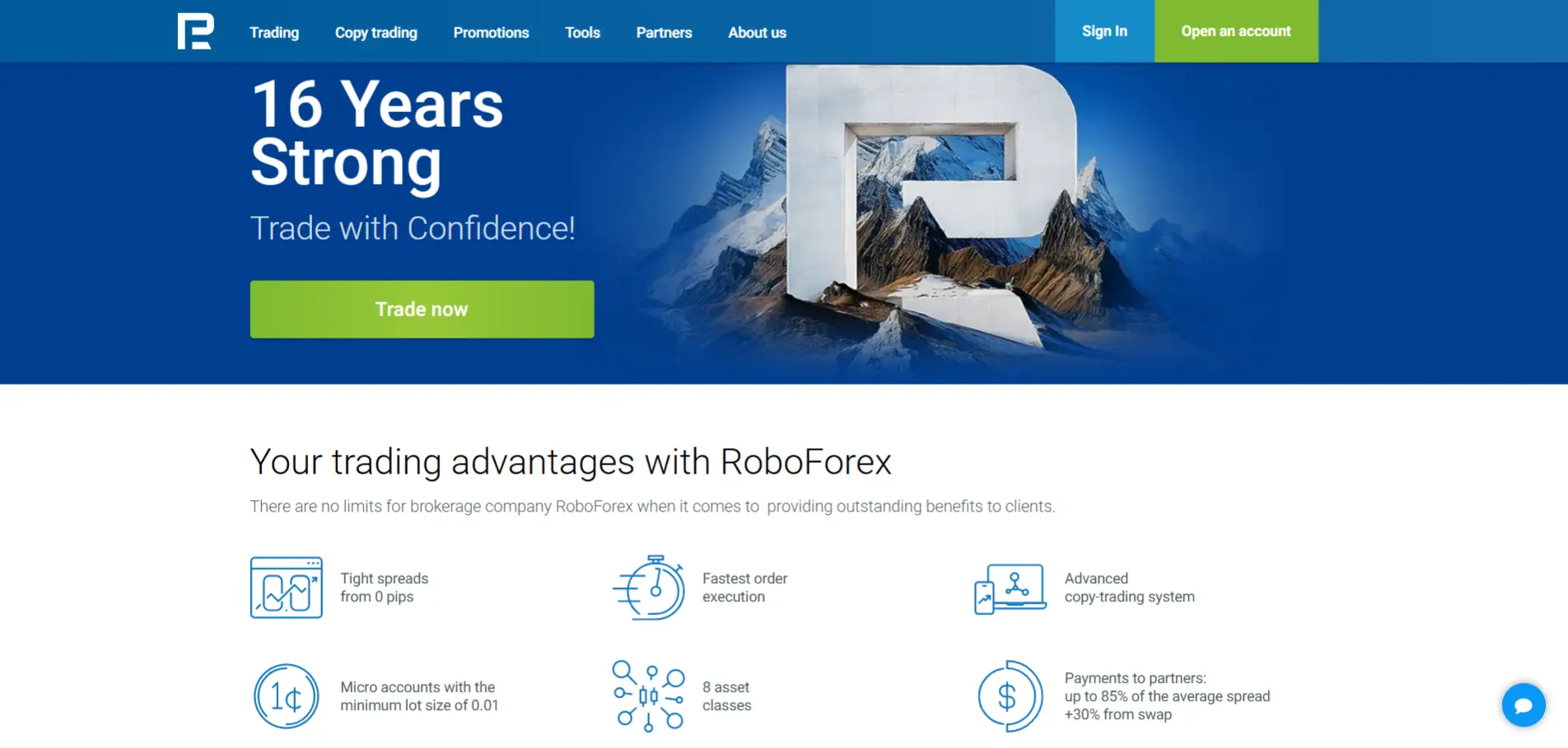
Five account types in total cover standard, ECN, ProCent, Pro, and R StocksTrader configurations.
The ProCent account is useful for testing live STP execution at real market conditions with minimal capital exposure. A cashback program returns a portion of trading costs to active accounts monthly.
Leverage reaches 1:2000 on select accounts. R StocksTrader adds equity access alongside the standard forex and CFD offering. Scalping and hedging are both permitted.
Regulated by FSC. Minimum deposit is $10. Non-trading fees including inactivity charges run above average. Review the full fee schedule before funding if trading frequency may be inconsistent.
Strengths: High leverage, cashback rewards, ProCent for live low-risk testing, R StocksTrader for equity access, scalping and hedging permitted.
Worth Noting: FSC provides lighter oversight than FCA or ASIC. Non-trading fees above average.
RoboForex features in our best high-leverage brokers rankings.
TickMill's Pro account is the STP-model offering, delivering spreads from 0.0 pips with commissions of $2 per lot, one of the more competitive commission rates among regulated STP brokers.
The Classic account provides commission-free spread-based trading starting from 1.6 pips, which suits traders who prefer a simpler all-in cost structure.
Established in 2014, TickMill holds licenses from FSA and CySEC. Multiple base currencies are supported including USD, EUR, GBP, and ZAR. Scalping is permitted.
Copy trading is available through both third-party integrations and a proprietary platform. MT4, MT5, and a web platform are available with mobile apps for Android and iOS.
Minimum deposit is $100. The VIP account tier offers improved conditions for higher-volume traders. Support runs 24/5. The educational content is functional but more limited than FP Markets or XM for beginners specifically.
Strengths: Low Pro account commission at $2, scalping and hedging permitted, multiple base currencies, copy trading, regulated by two authorities.
Worth Noting: Support is 24/5 rather than 24/7. Educational resources are limited for new traders.
TickMill is a strong choice for traders in Europe and the UK.
| Factor | STP | ECN | Market Maker |
|---|---|---|---|
| Order Routing | Direct to selected liquidity providers | Direct to multiple banks, funds, and traders | Broker fills order internally, often as counterparty |
| Conflict of Interest | None. Broker earns commission or markup regardless | None. Broker earns commission regardless | Yes. Broker profits when trader loses on some setups |
| Spreads | Variable, usually competitive | Raw interbank pricing, typically tightest during peak hours | Often fixed, typically wider than STP or ECN |
| Requotes | Rare under normal conditions | Rare, market execution fills at available price | Common on slower or lower-quality brokers |
| Minimum Deposit | Often lower than ECN, accessible to most traders | Often medium to high for quality infrastructure | Very low in many cases |
| Best Suited For | Active traders, moderate-frequency strategies, beginners stepping up | Scalpers, algorithmic traders, professionals | Absolute beginners who need predictable spreads |
STP is the practical middle ground: better than a market maker for execution quality and conflict of interest, more accessible than premium ECN in terms of minimum deposit and commission complexity.
For most retail traders trading 10 to 100 times per month on major pairs, STP delivers the key benefits without the cost overhead of a full ECN setup. See our best ECN brokers page for a direct ECN comparison.
| Broker | Spread Range | Commission | Regulation |
|---|---|---|---|
| Exness | 0.0–0.3 pips | $0–$3.50 | CySEC, FCA |
| XM | 0.8–1.6 pips | $0–$3 | ASIC, CySEC, DFSA |
| LiteFinance | 0.0–3.0 pips | $0–$0.25 | SVG, CySEC |
| OctaFX | 0.6 pips | $0 | FCA, CySEC |
| RoboForex | 0.0–1.3 pips | Varies | FSC |
| TickMill | 0.0–1.6 pips | $0–$3.50 | FSA, CySEC |
Full low spread broker comparison!
| Broker | Max Leverage | Islamic Account | Demo Account | Customer Support |
|---|---|---|---|---|
| Exness | 1:Unlimited | Yes | Yes, no limit | 24/7 |
| XM | 1000:1 | Yes | Yes, no limit | 24/5 |
| LiteFinance | 1:1000 | Yes | Yes, no limit | 24/5 |
| OctaFX | 1:1000 | Yes | Yes, no limit | 24/7 |
| RoboForex | 1:2000 | Yes | Yes, no limit | 24/7 |
| TickMill | 1:1000 | Yes | Yes, no limit | 24/5 |
| Broker | MT4 | MT5 | Additional Platforms |
|---|---|---|---|
| Exness | Yes | Yes | Exness Go (mobile) |
| XM | Yes | Yes | WebTrader, XM App |
| LiteFinance | Yes | Yes | cTrader, MobileTrader |
| OctaFX | Yes | Yes | OctaTrader |
| RoboForex | Yes | Yes | WebTrader, MobileTrader, R StocksTrader |
| TickMill | Yes | Yes | Web Platform |
Best MT4 brokers comparison, Best MT5 brokers comparison!
Verify the no-dealing-desk claim directly. Ask the broker in writing whether your account type routes orders through a dealing desk. Most genuine STP brokers will confirm this clearly. A vague or evasive answer suggests the execution model may not be what it is advertised as.
Check spread behavior during a news release. Open a demo account and monitor the EUR/USD spread during a US NFP or ECB decision. Genuine STP spreads widen because liquidity providers adjust their quotes.
This is expected and honest. A broker that claims fixed spreads through news events is either market making behind the scenes or hedging in ways that introduce different risks.
Calculate total cost per trade across spread and commission. A broker showing 0.0-pip spreads with a $3.50 commission has a higher all-in cost than one showing 0.6-pip spreads with no commission for most position sizes. Know the full cost before choosing an account type.
Test a withdrawal before fully funding. Deposit the minimum, place one trade, then withdraw the balance. This confirms the withdrawal process works as described before significant capital is committed. STP brokers should have no reason to delay or complicate withdrawals.
Match the broker to your trading session. STP spreads are tightest during the London-New York overlap and wider during the Asian session and around news releases.
If you primarily trade during off-peak hours, a fixed-spread alternative may deliver more predictable costs. If you trade during peak liquidity windows, STP spreads are typically the most competitive option.
Expert Tip: STP brokers earn through commission or spread markup regardless of trade outcome. This means their revenue increases when you trade more, not when you lose. Aligning your broker's incentive with your trading activity rather than your losses is one of the most practical reasons to choose STP over a dealing desk model.
For scalpers and algorithmic traders running high-frequency strategies, ECN typically delivers tighter raw spreads and faster fills. For active traders using moderate-frequency strategies on a budget, STP delivers most of the same benefits at lower minimum deposits and simpler commission structures. Both remove the conflict of interest that exists in a market-maker model. The right choice depends on trading frequency and how sensitive your strategy is to per-pip cost.
Exness operates multiple execution models depending on the account type. The Standard and Pro accounts use STP routing with direct liquidity provider access. The Raw Spread and Zero accounts include ECN-style raw pricing with commission. Exness is not a pure STP broker across all accounts, but its Standard account delivers genuine no-dealing-desk STP execution with spreads from 0.0 pips.
STP brokers earn through a commission charged per lot traded or by adding a small markup to the raw spread received from liquidity providers. Unlike market makers, they do not profit from client losses because they do not take the opposite side of trades. Their revenue is tied to trading volume, which aligns their incentive with clients executing more trades rather than losing them.
STP brokers pass pricing directly from liquidity providers to traders. Liquidity providers continuously adjust their bid-ask quotes based on market volatility, trading volume, and institutional order flow. During high-liquidity sessions, these providers compete aggressively and spreads narrow. During news releases or off-peak hours, they widen their quotes to protect against adverse fills, and that wider spread passes through to the trader. This is honest market pricing rather than broker-controlled markup.
STP brokers reduce slippage compared to dealing-desk brokers by routing orders faster and without manual intervention. Slippage is not eliminated because prices move between order submission and fill, particularly during volatile conditions. Both positive and negative slippage can occur. Positive slippage means your order filled at a better price than submitted. Negative slippage means it filled at a worse price. Genuine STP execution shows both outcomes over a large sample of trades.
Three checks: ask the broker in writing whether your account type uses a dealing desk, check whether positive slippage occurs on limit orders during fast-moving conditions (market makers typically do not allow positive slippage), and monitor requote frequency during a news release on demo. Genuine STP brokers have near-zero requotes and allow limit orders to fill at better prices when the market moves favorably between submission and fill.
STP brokers on this list range from $5 (XM) to $100 (TickMill). The minimum deposit sets the account entry point but not the practical trading capital. For meaningful strategy testing with proper position sizing, $100 to $300 gives enough room to manage risk correctly. Only deposit what you can afford to lose entirely while learning or validating a new strategy.