
 IUX
IUX
 Exness
 Vantage
 XM
XM
 ICMarkets
 LiteFinance
 Moneta
 Tickmill
 South Africa (9)
 India (9)
 Bangladesh (12)
 Germany (9)
 Thailand (10)
 Philippines (9)
 Nigeria (10)
 Vietnam (10)
 Malaysia (9)




Connect, copy, and trade with trusted social trading platforms.




Social trading has moved well past the novelty phase. For many traders, especially those still building experience, the ability to follow and mirror verified professionals is a practical way to stay active in the market while developing their own judgment. For experienced traders, it's a tool to diversify across strategies without running multiple independent analyses.
We evaluated each broker's social and copy trading infrastructure on real accounts, looking at how traders are ranked, how transparent performance data is, how copy execution compares to the original trade, and whether the platform charges fees that quietly eat into copied gains.
The six brokers below deliver genuine social trading setups, not just a badge in the marketing copy. If you're also comparing by region or trading style, check brokers for Asian markets, best MT4 brokers, or current promotions and bonuses before making a final decision.
| Broker | Min. Deposit | Spreads | Commission | Regulation | Support | Platforms |
|---|---|---|---|---|---|---|
| Exness | $50 | 0.0–0.3 pips | $0–$3.50 | CySEC, FCA | 24/7 | MT4, MT5 |
| XM | $5 | 0.8–1.6 pips | $0–$3 | ASIC, CySEC | 24/5 | MT4, MT5, XM App |
| LiteFinance | $10 | 0.0–3.0 pips | $0.25 | SVG, CySEC | 24/5 | MT4, MT5, cTrader |
| Trader's Way | $10 | 0.0–1.5 pips | $0 | None | 24/7 | MT4, MT5, cTrader |
| eToro | $50 | 1.0–2.0 pips | $0 | FCA, ASIC | 24/7 | eToro Platform |
| AvaTrade | $100 | 0.0 pips | None | ASIC, FSCA, CySEC | 24/5 | MT4, MT5, AvaTradeGO |
Social trading platforms let you see what other traders are doing in real time: their open positions, their historical performance, their risk levels, and their strategy descriptions. You can observe, follow, or copy them automatically, with your account mirroring their trades proportionally to whatever capital you allocate.
The mechanics vary by platform. Some execute copy trades instantly the moment the original trade is placed. Others introduce a small delay based on server routing. The difference matters: a 30-second lag on a scalp trade is the difference between catching the move and missing it. On longer swing trades, the delay is irrelevant. Know your strategy before choosing a platform based on this.
Social trading differs from pure copy trading in that most platforms also include a community layer: comments, strategy discussion, and trader profiles. This serves an educational purpose beyond just mirroring trades. The two functions often exist on the same platform, but they serve different needs.
Expert Tip: Before allocating real capital to copy a trader, review their performance over at least 6 to 12 months, not just the most recent results. Check their maximum drawdown figure alongside their returns. A trader with a 40% drawdown history will eventually test that level again.
| Aspect | Social Trading | Copy Trading |
|---|---|---|
| Interaction | Active community engagement, strategy discussion, shared insights | Passive mirroring of another trader's positions |
| Control | You choose whether to act on what you observe | Trades replicate automatically once you allocate capital |
| Learning Value | High, you see reasoning, discussion, and alternatives | Lower, focused on replication, not understanding |
| Risk Profile | Spread across multiple traders and strategies | Concentrated on the trader you copy |
| Best Suited For | Traders building skills while staying active | Investors seeking passive exposure to trading strategies |
Exness's social trading infrastructure has developed steadily, with copy trading available through the Exness Social Trading portal. Signal providers set their own conditions, including minimum capital requirements and profit-sharing terms, and copiers can see verified historical performance before allocating funds. The execution lag between original and copied trade is minimal, which matters for shorter-timeframe strategies.
The broader trading conditions are strong: spreads from 0.0 pips on Zero accounts, commissions of $0 to $3.50 per lot, CySEC and FCA regulation, and a minimum deposit of just $50. The Exness Go mobile app runs on both Android and iOS with the same account access and performance as the desktop platform.
Signal providers on Exness publish their drawdown history, return percentages, and number of active copiers. The data is audited rather than self-reported, which adds meaningful credibility to what you see.
Strengths: Verified signal provider data, fast copy execution, low entry deposit, strong regulatory credentials, broad local payment support.
Worth Noting: Unlimited leverage is available but applies proportional risk. Signal provider profit-sharing terms vary and should be reviewed before copying.
Exness features in our best fast execution brokers and best low spread brokers lists. Popular among traders in Bangladesh, India, and across Asia.
XM integrates copy trading through its MT4 and MT5 signal subscription system, which connects to MetaQuotes' MQL5 Signals marketplace. This gives copiers access to a much broader pool of signal providers than proprietary platforms, with thousands of verified traders with audited performance records going back years in some cases.
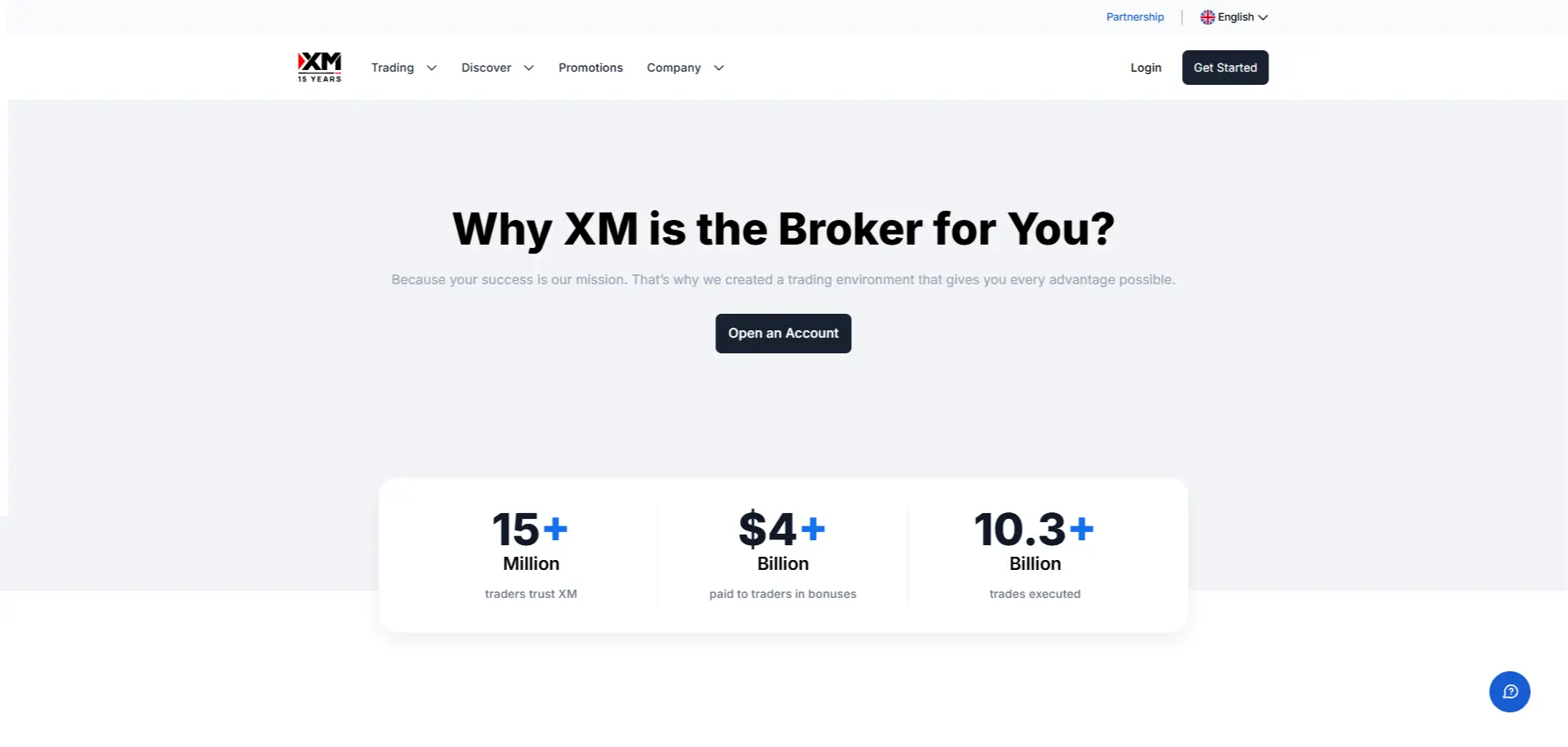
The $5 minimum deposit and no-commission standard accounts make XM an accessible starting point for traders new to social trading who don't want to commit significant capital while they evaluate signal providers. Spreads start from 0.0 pips on Zero accounts, with commissions up to $3 per lot.
XM is regulated by ASIC, CySEC, and DFSA, the strongest regulatory combination on this list. The educational resources are the most comprehensive of any broker reviewed here, which supports newer traders who want to understand what they're copying, not just follow blindly.
Strengths: MQL5 marketplace access, top-tier regulatory oversight, very low entry deposit, zero commission on standard accounts, strong education content.
Worth Noting: MQL5 signal subscriptions carry their own monthly fees set by the provider, which add to overall trading costs. Not available to US traders.
Expert Tip: On XM, filter MQL5 signal providers by 'drawdown under 20%' and 'active for more than 12 months' before looking at returns. This removes most of the short-term luck from the results and shows you which providers have demonstrated consistency over time.
XM is listed in our best brokers for beginners rankings and is well established in Malaysia, Vietnam, and Nigeria. Check deposit bonuses available to new accounts.
LiteFinance has one of the more developed proprietary copy trading systems on this list. The platform displays signal providers' live and historical trades, their risk rating, monthly returns, maximum drawdown, and number of active subscribers, all in a single view without needing to navigate multiple pages.
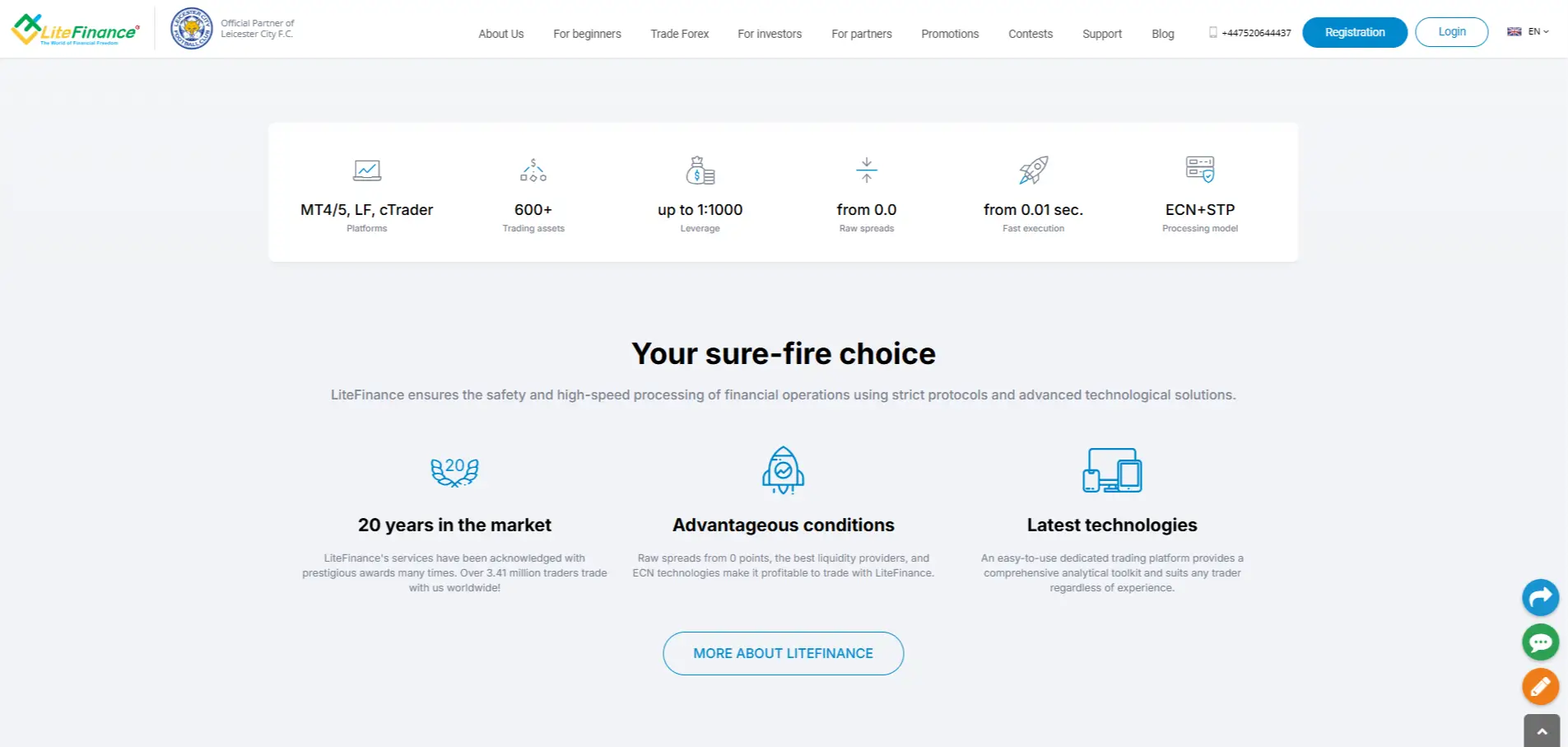
The ECN account conditions make this viable for both copying and being copied: spreads from 0.0 pips, commissions at $0.25 per lot (the lowest on this list), and automated withdrawals on most payment methods. The broker has operated since 2005, and the copy trading product has been refined through several iterations.
MT4, MT5, and cTrader are all available, giving copiers flexibility in how they access and manage positions. The $10 minimum deposit is mid-range. Regulation covers SVG and CySEC.
Strengths: Purpose-built copy trading interface, transparent signal provider data, lowest commission rate on the list, cTrader access, long operating history.
Worth Noting: Spreads widen more during off-peak hours than some competitors. Better suited to London and New York session strategies.
LiteFinance is featured on our best MT5 brokers page and supports traders in South Africa, Brazil, and across European markets.
Trader's Way offers copy trading across its MT4, MT5, and cTrader account types, with no commissions on any account and spreads starting from 0.0 pips. The minimum deposit is $10. The platform is straightforward, account opening is fast, and the copy trading setup is accessible without requiring a large initial allocation.
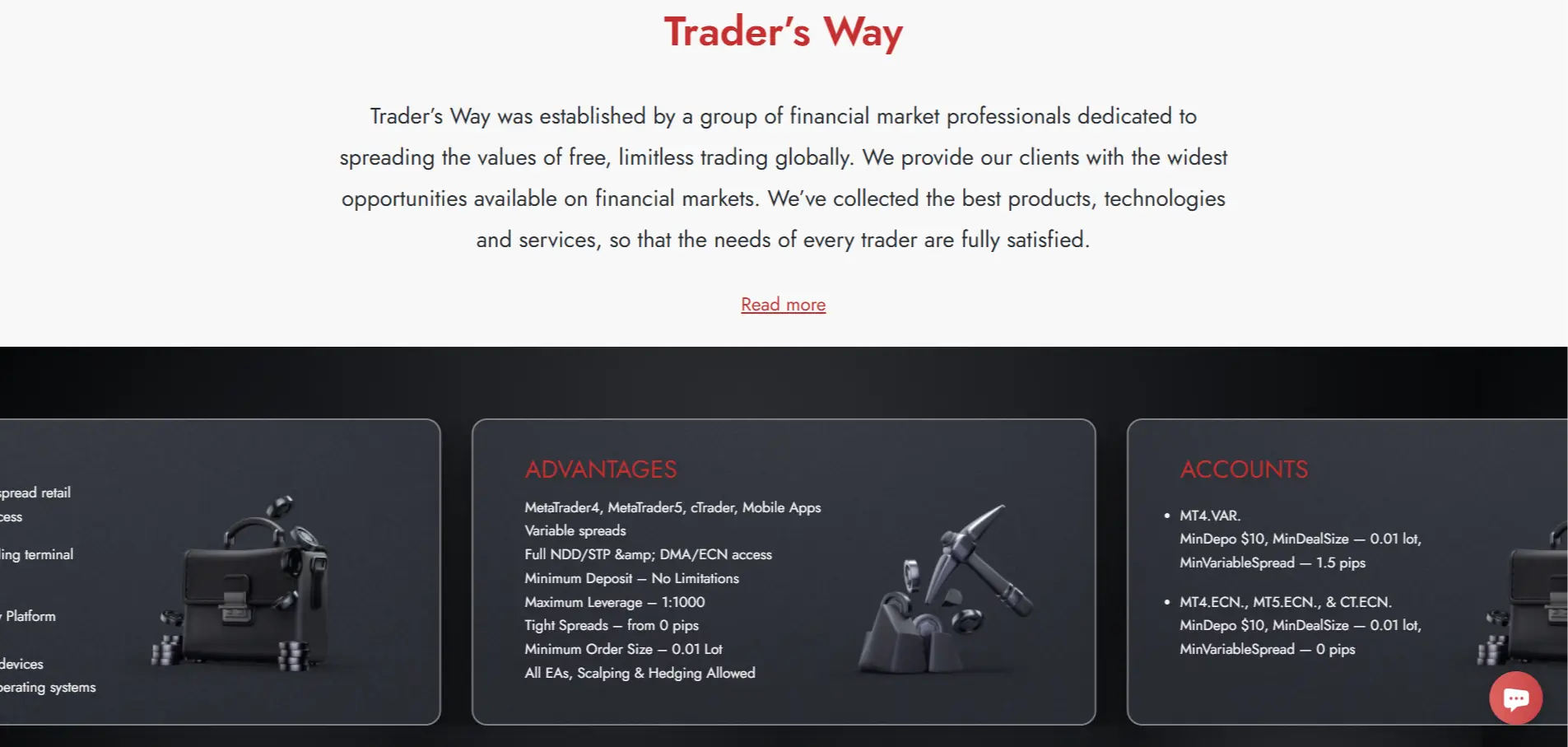
The trading conditions are genuinely competitive for social trading purposes. No restrictions apply on trade duration or frequency, and the broker supports automated strategies alongside manual copying.
Note: Trader's Way is not regulated by any recognized financial authority as of 2026. There is no independent oversight of fund handling, no formal complaints process, and no guarantee of fund segregation. The conditions are competitive, but traders should weigh this risk carefully before depositing, particularly for larger amounts.
Strengths: Zero commission, competitive spreads, cTrader available, no trade restrictions, low entry deposit.
Worth Noting: Unregulated. No formal client fund protection. Best approached with limited capital until track record is established.
eToro built its entire identity around social trading and remains the most recognizable name in the space globally. The CopyTrader feature mirrors Popular Investors' positions automatically, scaled to whatever amount you allocate. Popular Investors are verified traders who meet eToro's performance and drawdown criteria to qualify for the program.
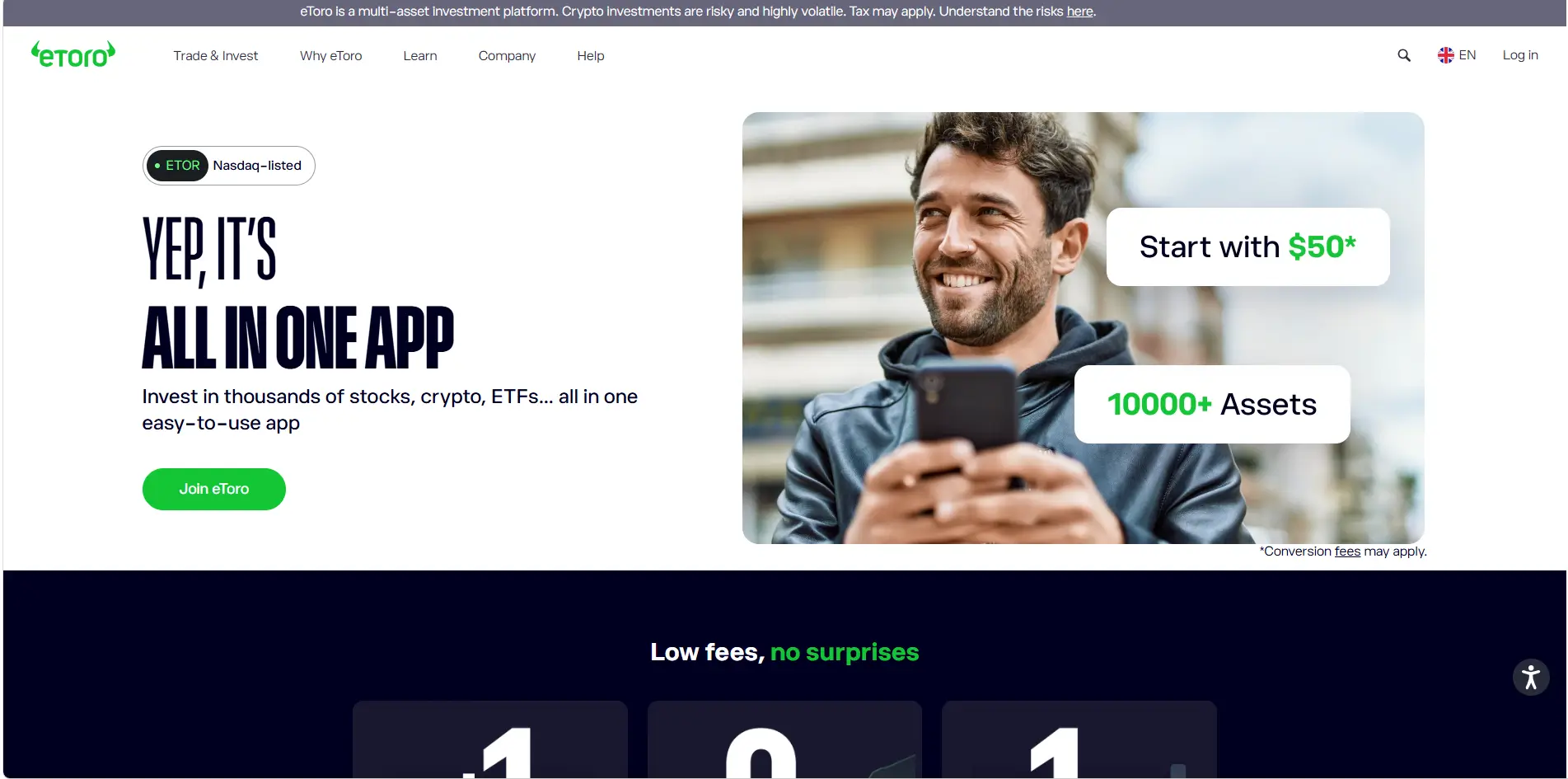
The platform is designed for accessibility above all else. The interface is clean, trader profiles show multi-year performance data, and the community feed gives context for why positions are being placed. For traders who want to observe before copying, this social layer is genuinely useful.
The honest trade-off is cost. Spreads on eToro run from 1.5 to 5.0 pips, significantly wider than ECN-focused alternatives on this list. There are no commissions, but the all-in cost per trade through the spread is higher than brokers like Exness or IC Markets on equivalent positions. Regulated by FCA and ASIC, with a $50 minimum deposit.
Strengths: Most developed social trading community, verified Popular Investor data, intuitive interface, multi-year performance visibility, strong regulatory oversight.
Worth Noting: Spreads are significantly wider than ECN alternatives. The all-in trading cost is higher, which matters more for active copying than passive long-term positions.
Expert Tip: eToro's Popular Investor program displays each trader's 'risk score' alongside returns. Focus on traders with a risk score below 5 who show positive returns over 12 or more months. Traders with high risk scores often show impressive short-term gains that are followed by large drawdowns.
eToro is available to traders in the UK, Europe, and Australia, among other regions. Check our all brokers reviews page for a detailed breakdown.
AvaTrade's social trading ecosystem is the most integrated of any broker on this list. AvaTradeGO connects to AvaSocial for community-based following, DupliTrade for automated copy trading with vetted strategy providers, and ZuluTrade for a third-party signal marketplace. Three separate tools working within the same account is genuinely useful for traders who want to layer approaches.
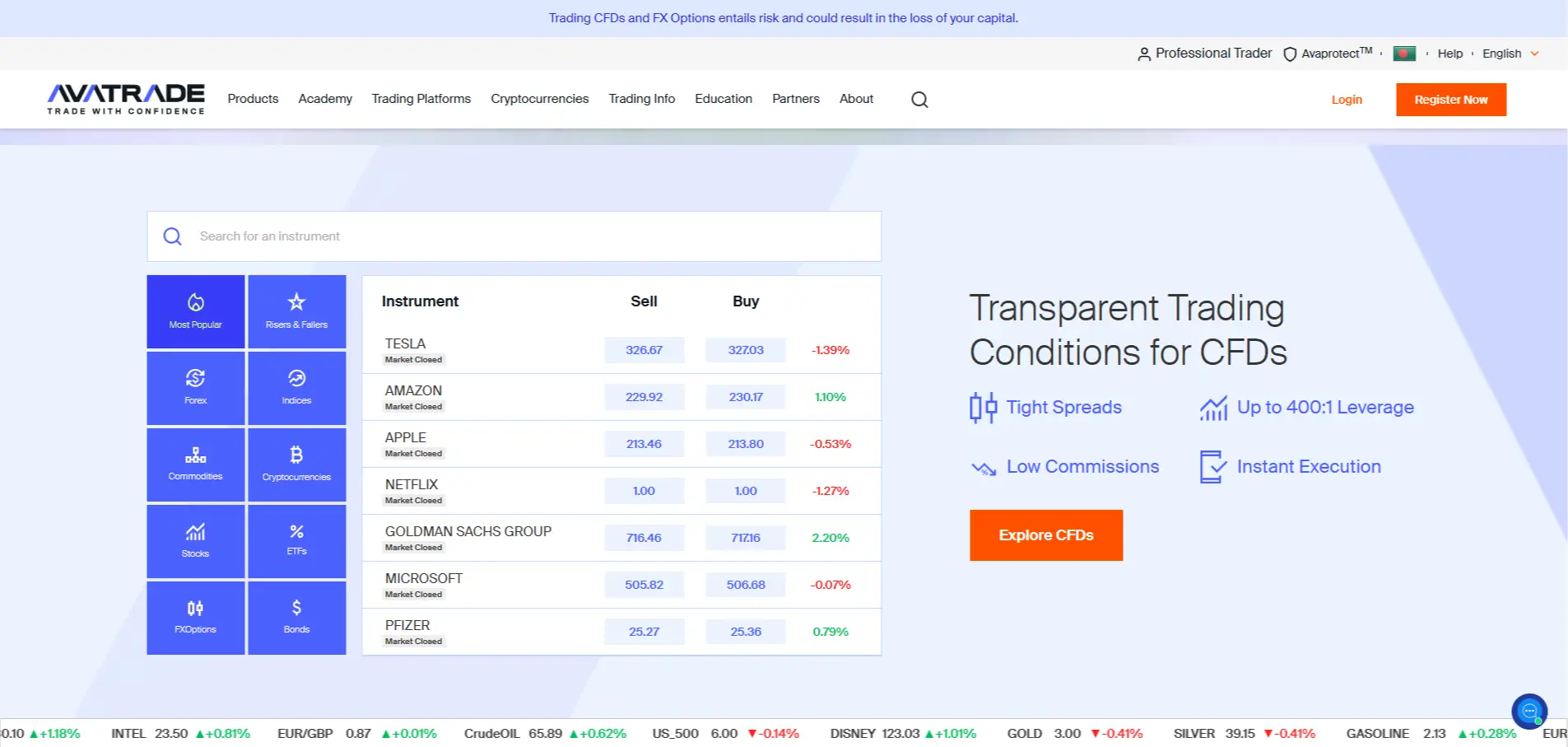
DupliTrade in particular has a rigorous vetting process for signal providers: minimum 3-month live track record, maximum drawdown limits, and minimum trade volume requirements before a provider can be listed. This filters out a significant portion of the noise that makes signal selection difficult on open marketplaces.
AvaTrade charges no commissions, with costs built into competitive spreads starting from 0.0 pips. Regulation covers ASIC, FSCA, and CySEC. The minimum deposit is $100, which is the highest on this list but reflects the more structured, professionally positioned offering.
Strengths: Three integrated social/copy trading tools, DupliTrade's rigorous provider vetting, no commissions, strong regulatory standing, AvaProtect risk tool.
Worth Noting: Highest minimum deposit on the list at $100. ZuluTrade signal subscriptions may carry separate fees depending on the provider.
AvaTrade is a strong option for traders in the Middle East, South Africa, and Canada. It also offers Islamic accounts with swap-free conditions.
Transparency of trader performance data. The most important factor is how the platform presents signal provider results. Look for audited or verified data rather than self-reported figures. Check whether historical performance includes drawdown information, not just return percentages. A 60% annual return with a 50% drawdown is a very different proposition than the same return with a 12% drawdown.
Expert Tip: Start by allocating a small fixed amount across three different signal providers with different risk profiles. After 60 days, compare the results. This tells you far more about which provider fits your tolerance than any rating system can.
Social trading is legal in most major jurisdictions when conducted through a properly regulated broker. The UK (FCA), Australia (ASIC), the EU (CySEC, BaFin), and the US (CFTC, NFA) all permit social and copy trading under their existing regulatory frameworks, provided the broker holds the appropriate license.
The risk comes from unregulated platforms, which may offer social trading features without the oversight that protects client funds or ensures fair execution. If a dispute arises with an unregulated broker, there is no formal complaints process and no compensation scheme. This is the primary reason regulation matters more in social trading than in standard brokerage accounts, because you're often handing execution control to another party.
Always verify a broker's regulatory status on the official regulator's website before opening an account. You can also check our scam brokers list to identify platforms with a problematic track record.
For active contests and live social trading competitions, check live contests and demo contests on TopAsiaFX.
The most practical advantage is access to verified trading strategies without needing years of experience to build one. A beginner can follow a disciplined trader with a proven track record while developing their own skills in parallel. For experienced traders, it's a way to diversify across strategies without running separate analyses for each position.
It can be, but with an important qualification. Social trading does not remove risk. Copying a trader who loses money means you also lose money. Beginners benefit from social trading most when they use it alongside education, observing why trades are placed, not just that they are placed. XM and LiteFinance are the strongest options on this list for traders building experience.
The most overlooked risk is copying based on short-term performance. A trader who returned 80% in three months may have done so through concentrated positions that are statistically unlikely to repeat. Drawdown history, not just returns, tells you what a provider's bad months look like. Past performance also doesn't guarantee future results regardless of track record length.
Yes, but it depends heavily on signal provider selection, diversification, and cost management. The all-in cost per copied trade (spread, commission, and any provider fee) determines your break-even point. A provider averaging 1% monthly gain doesn't help if your total cost per trade erodes that margin. Run the cost math before allocating.
All brokers have some cost structure. The variables are how the costs are split between spreads, commissions, and signal provider fees. AvaTrade and eToro charge no commissions, with costs in the spread.
Exness and XM charge commissions on ECN accounts with tighter spreads. Signal providers on some platforms also take performance fees on profitable months. Use the broker comparison tool to put these numbers side by side.
Check for audited performance data rather than self-reported figures. Look at the full history, not just the most recent months. Review the maximum drawdown figure alongside returns. Check how long the provider has been active. Less than 6 months of data isn't enough to draw conclusions. On MT4 and MT5 platforms, MQL5 Signals provides independently verified data that is harder to manipulate than a broker's own leaderboard.