 IUX
IUX
 Exness
 Vantage
 XM
XM
 ICMarkets
 LiteFinance
 Moneta
 Tickmill
 South Africa (9)
 India (9)
 Bangladesh (12)
 Germany (9)
 Thailand (10)
 Philippines (9)
 Nigeria (10)
 Vietnam (10)
 Malaysia (9)





Is 500 Leverage Good for Forex Trading?



Share:
Share:
Broker
6 min read

You see it all the time: “Up to 1:500 leverage” plastered across broker websites like it’s a golden ticket.
For a new trader, it can sound like a dream: small capital, big positions, quick profits. But let’s pause.
Is 500 leverage actually good? Or is it just a fast track to blowing your account?
Let’s get into it, from the lens of someone who trades smart, not just fast.
Leverage in Forex is Basically Borrowed Money
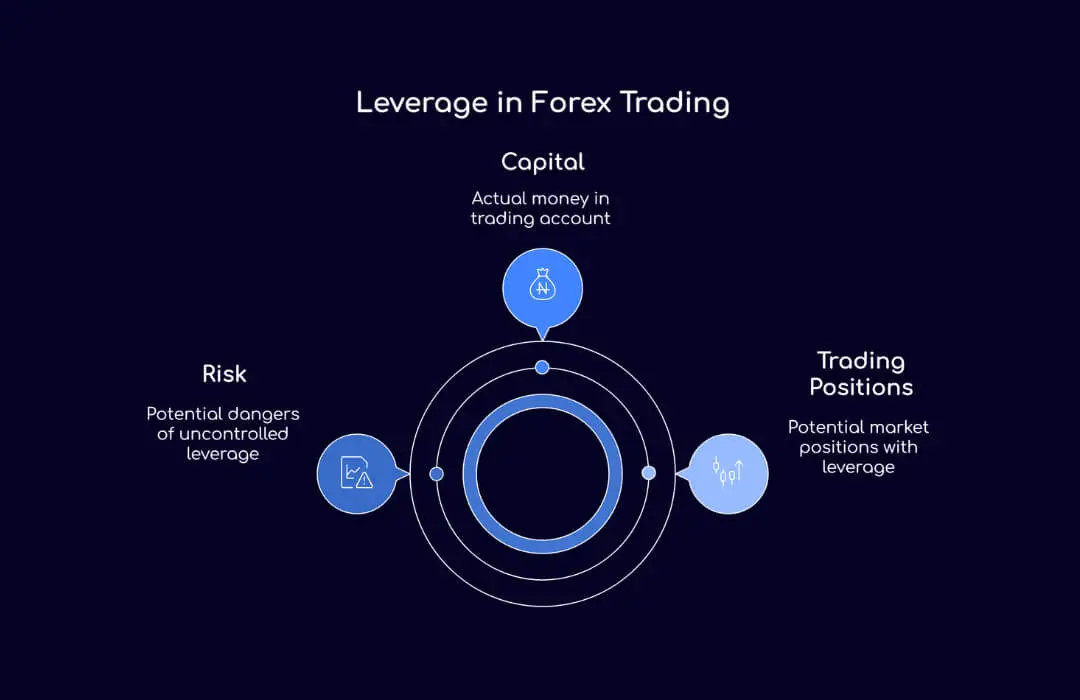
When you trade with 500:1 leverage, it means you can open positions worth 500 times your actual capital.
So, if you have just $100 in your trading account, you could theoretically trade positions worth $50,000.
Sounds powerful, right? It is. But power without control? Seems dangerous.
Let’s Give Credit Where It’s Due, There Are Benefits to Trading With High Leverage
Small Accounts Get Big Market Exposure
This is probably the biggest appeal of 500:1 leverage. It lets you access the forex market without needing a fat wallet.
Let’s say you’ve got just $100 in your account. With 500:1 leverage, you can control a position size of up to $50,000.
That’s the kind of market exposure institutional traders have, but you’re doing it with pocket change.
This means traders can enter trades that would normally be out of reach for small accounts, traders have the flexibility to test different price action trading setups in real market conditions, and don’t need to spend years saving up just to get started.
For many beginner or low-cap traders, this is how they get their foot in the door.
Faster Profits
We all love seeing green numbers in our trading platform. And with 500:1 leverage, you don’t have to wait forever to see some action.
Here’s how it works:
Even a small pip movement in your favor can yield big percentage returns.
Pair this with a solid price action strategy, and you could stack some nice wins in trending markets.
A move that would’ve earned you $1 without leverage might now bring in $10, $20, or more.
That said, this is a double-edged sword (we’ll get to the risks later).
But if you’re disciplined and your strategy is dialed in, this kind of leverage lets you capitalize on momentum fast.
Scalpers, This One’s For You
When your goal is to catch quick moves, around 5 to 10 pips here and there, high leverage like 500:1 is your best friend. Why?
- It amplifies the profits on each small trade.
- It allows you to use tight stop-losses without needing a huge account.
- You can take multiple trades a day with small risk and still grow your account steadily.
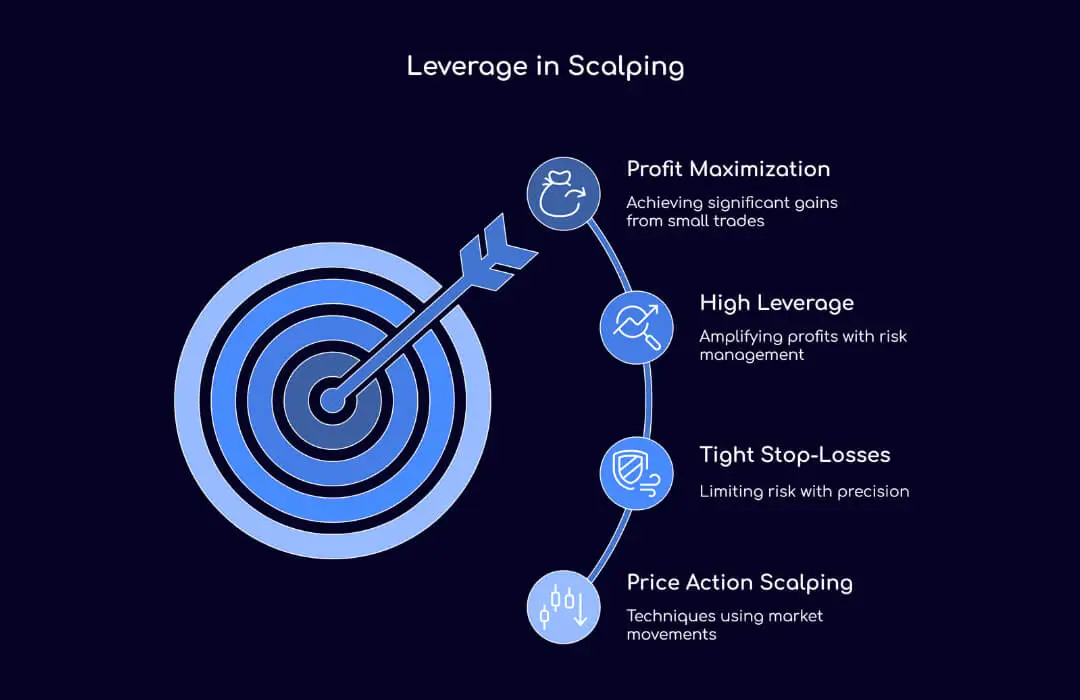
In fact, some scalpers thrive using price action scalping techniques like trading off support and resistance zones or candlestick wicks.
With leverage on your side, even a minor bounce can give you some proper gains.
You Don’t Have to Commit Your Entire Balance as Margin
With high leverage, traders only need a tiny fraction of their account balance to open a trade.
That means you can keep most of your capital in reserve as a buffer, diversify across different pairs or trading strategies (like mixing scalping with swing setups), you’re not locked into one trade.
In other words, 500:1 leverage lets you do more with less. It's about smart allocation, not reckless betting.
For Example,
Let’s say Danielle wants to trade EUR/USD and she spots a solid entry based on a bullish engulfing candlestick right above a key support level.
She’s got only got $50 in her account. With 500:1 leverage, she can control a $25,000 position. The pair moves up by just 10 pips.
If she’s trading a micro lot, that's around $10 profit, and a 20% return on her account from one smart trade.
Now imagine stacking 2–3 of those setups per week. That’s how small, calculated trades can grow small accounts, when leverage is used with precision and discipline.
The Real Risks of 500:1 Leverage
Tiny Mistakes Mean Big Losses
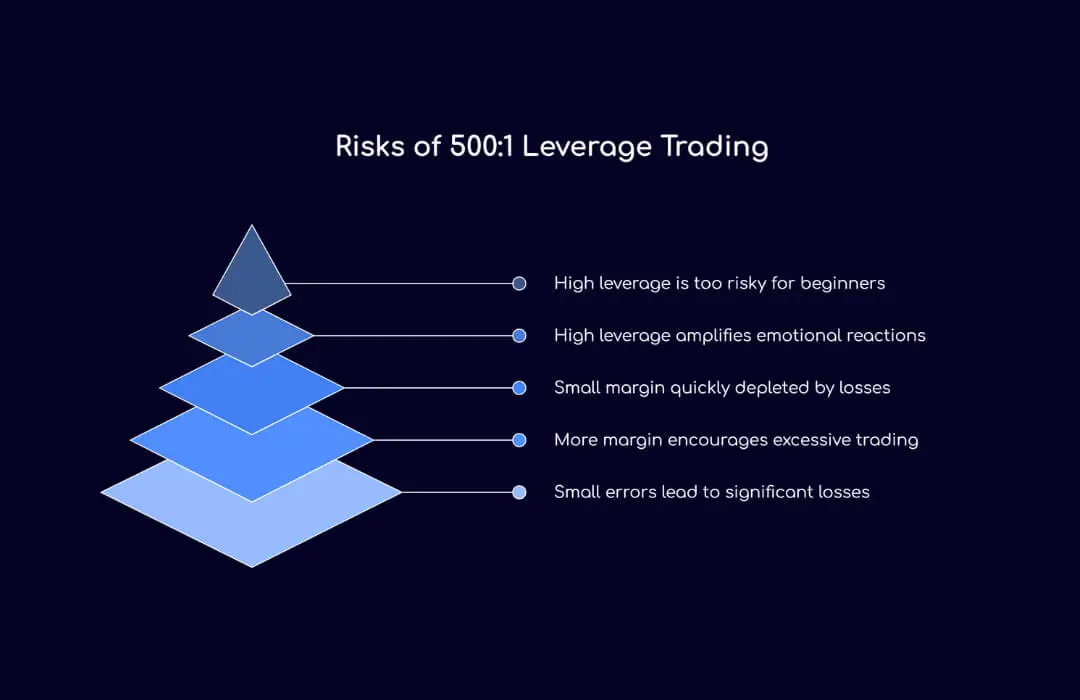
With 500x leverage, the margin for error is razor-thin. A 20-pip loss might not sound like much, but at that level of exposure, it can blow your account if you’re over-leveraged and not using stop-losses.
One bad trade, especially without proper risk management, and you’re staring at a zero balance. That’s not an exaggeration.
Overtrading is Tempting
With more available margin, it feels like you can do more. More trades. Bigger positions. “Let me just open one more…” That’s the trap.
Overtrading leads to emotional exhaustion, poor trade setups, chasing losses, and worst of all, blowing your account through sheer volume.
High leverage can feed impulsive habits if you’re not careful. One moment you’re testing a price action trading setup, next moment you’re clicking “buy” on five pairs at once.
Low Margin For Error
At 500:1, the amount of margin per trade is super small, but that means available free margin can get chewed up real fast if trades move against you.
A few losing positions and boom, a margin call, or worse, the broker auto-closes trades.
It happens quicker than you think, especially during high volatility news events or random price spikes.
Emotional Stress Goes Through The Roof
Let’s talk trading psychology for a second. If a trader is winning too fast, they might get overconfident. Losing too fast? They might start revenge trading.
Or watching big red numbers increase with every pip? Pure panic.
High leverage accelerates everything, including your emotions. And when emotions take over, logic and discipline usually take the back seat.
That’s why mastering your mindset is just as crucial as mastering your technical setups.
Is 500 Leverage Good For Beginners?
Not really. If you’re just starting out, 500:1 leverage is like learning to drive in a Ferrari—with no brakes.
Beginners should focus more on building their skills.
Learn a price action-based trading strategy, understand support and resistance, practice entries with proper confirmation signals, and trade on demo or with micro lots first.
Here’s Your Survival Kit For Using 500:1 Leverage
- Never risk more than 1-2% of your account per trade.
- Use stop-losses, every time.
- Stick to small lot sizes, especially on volatile currency pairs.
- Avoid trading during high-impact news unless you're experienced.
- Focus on one or two pairs (EUR/USD, USD/JPY are safer bets).
- Keep your emotions in check; journal your trades, reflect on your trades weekly.
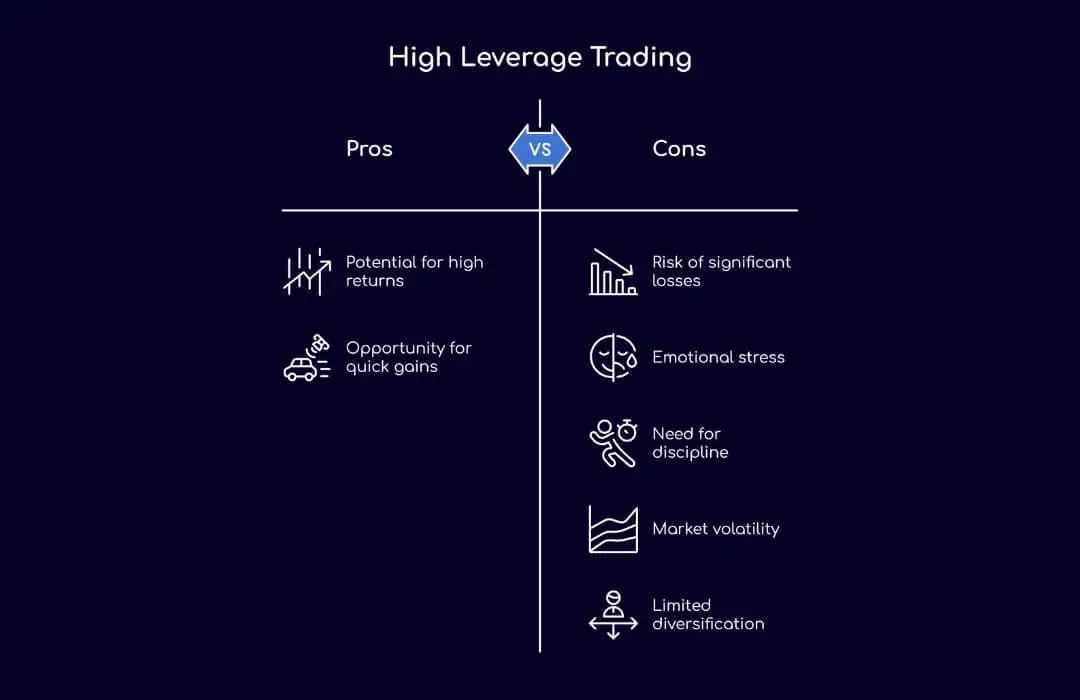
Conclusion: How Good is It?
Not really. If you’re just starting out, 500:1 leverage is like learning to drive in a Ferrari—with no brakes.
Beginners should focus more on building their skills.
Learn a price action-based trading strategy, understand support and resistance, practice entries with proper confirmation signals, and trade on demo or with micro lots first.
F. Nathan
Felix Nathan is a professional trader, market analyst, and business development executive with over a decade of experience in the forex and financial markets. Felix specializes in providing actionable market insights, trading strategies, and risk man...