 IUX
IUX
 Exness
 Vantage
 XM
XM
 ICMarkets
 LiteFinance
 Moneta
 Tickmill
 South Africa (9)
 India (9)
 Bangladesh (12)
 Germany (9)
 Thailand (10)
 Philippines (9)
 Nigeria (10)
 Vietnam (10)
 Malaysia (9)





What is Margin Level?



Share:
Share:
Education
9 min read
So you’ve just begun trading Forex and you’ve done some homework; watched YouTube tutorials, read a few blogs, and maybe even tested with a demo account.
Now, you’re ready to go.
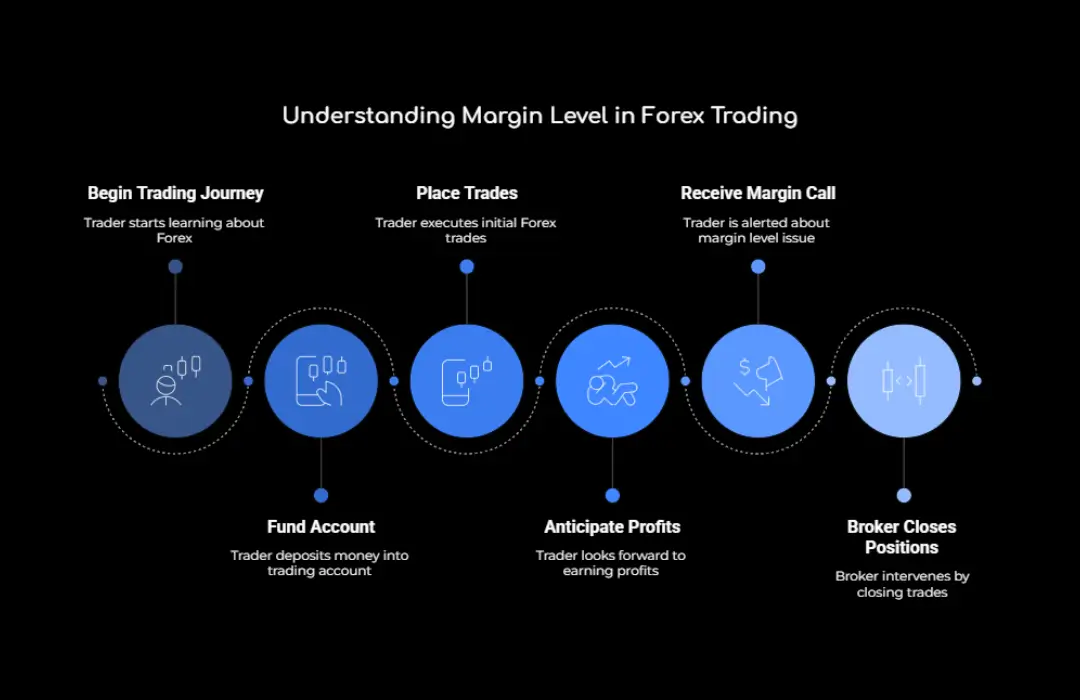
After funding your account and placing a few trades, you look forward to gaining profits.
Suddenly, you receive a margin call, after which the broker closes some open positions and you don’t understand what’s going on.
What went wrong?&
You likely didn’t pay attention to the margin level, which is critical in your trading strategy.
Margin level is what determines whether you have enough funds to keep active trades open or otherwise.
If this sounds unfamiliar, don't worry.
I’ll break down what a margin level is, show you how to calculate it, and share the best way to manage it.
What is Margin Level in Forex?
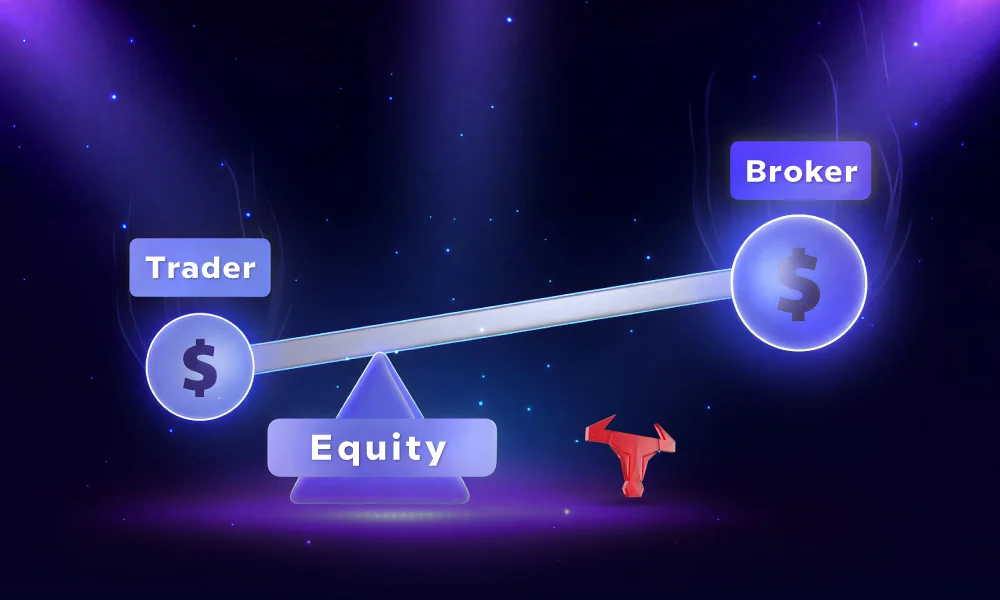
Margin level helps traders understand how much of their funds are available for new trades.
You can express the margin level as the percentage ratio between equity and used margin.
You risk a margin call and forced liquidation when the margin level drops.
Enough of the long talk.
Let’s discuss how to calculate a margin level-
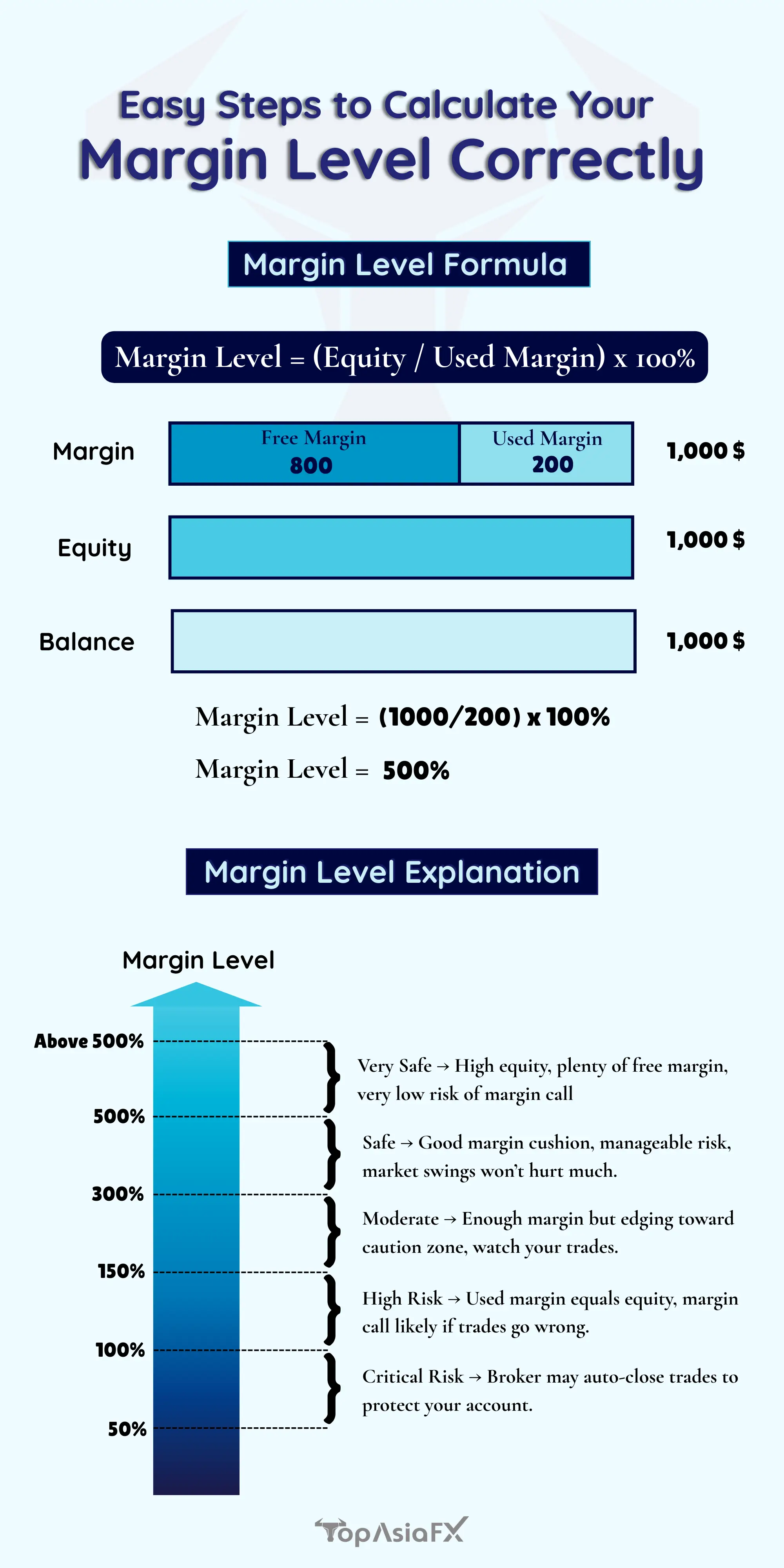
Margin Level Formula
Calculate the margin level using this formula:
(Equity/Used margin) x 100%
Where, Equity is simply account balance + unrealized profits or losses from open trades.
Used margin is the amount of money locked in all open trades.
How to Calculate Margin Level (With Examples)?
Imagine depositing $1,000 into a forex trading account. Then opening a trade that requires $200 in margin.
Since the trade currently doesn’t have any profit or loss, let’s calculate the margin level:
(1000/200) x 100% = 500%
A 500% margin level means there’s plenty of available margin to open up new trades.
However, if you begin to get losses and the equity reduces, the margin level will follow.
For context, if the equity level drops to $400 from $1,000, margin level will be:
(400/200) x 100% = 200%
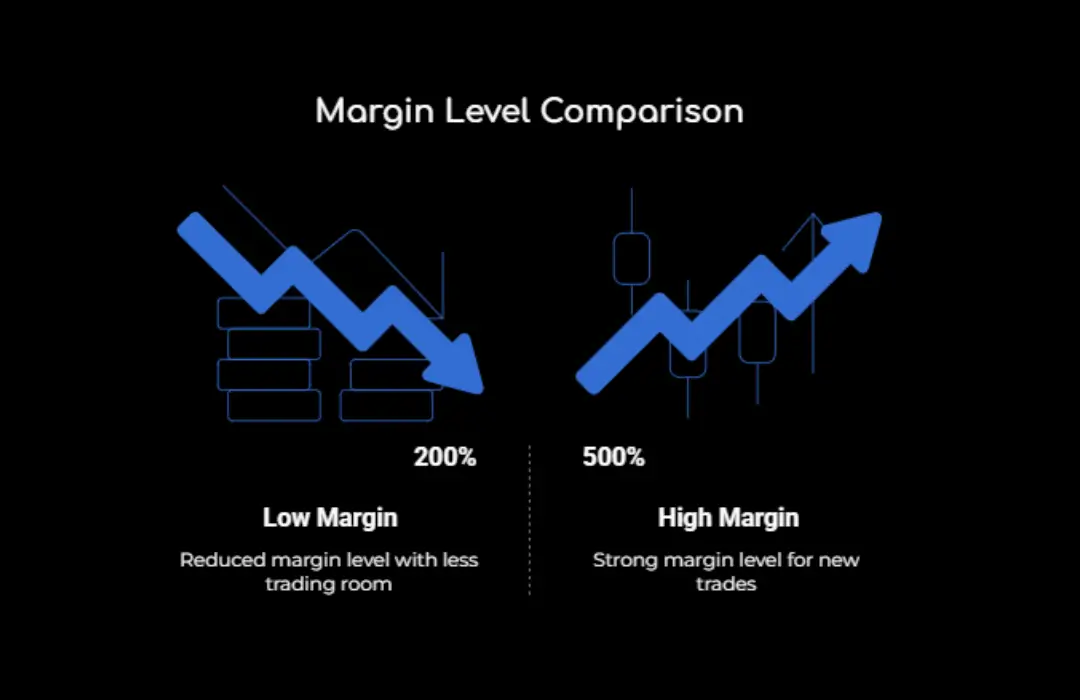
A 200% margin is still a fair percentage but there is little room to open as many trades as you would have with a higher margin level.
Typically, once the margin level goes too low, the broker may issue a margin call, which lets the trader know that their margin level is depleted.
When you receive that warning signal, close open trades or deposit more funds.
How to Calculate Margin Level in MT4 and MT5?
Traders don’t need to calculate the margin level in MT4 and MT5. These platforms help calculate it beforehand and make the value accessible. Here’s how to find it:
- Open the MT4 or MT5 trading platform.
- Locate the “Terminal” window at the bottom of the page.
- Look for the “Trade” tab and find the margin level percentage under it.
Despite the ease of having this figure readily available, it is necessary to understand what it means.
There are other concepts to get ahead of in order to really grasp the BBC concept of a margin level, and one of them is the free margin.
What is Free Margin?
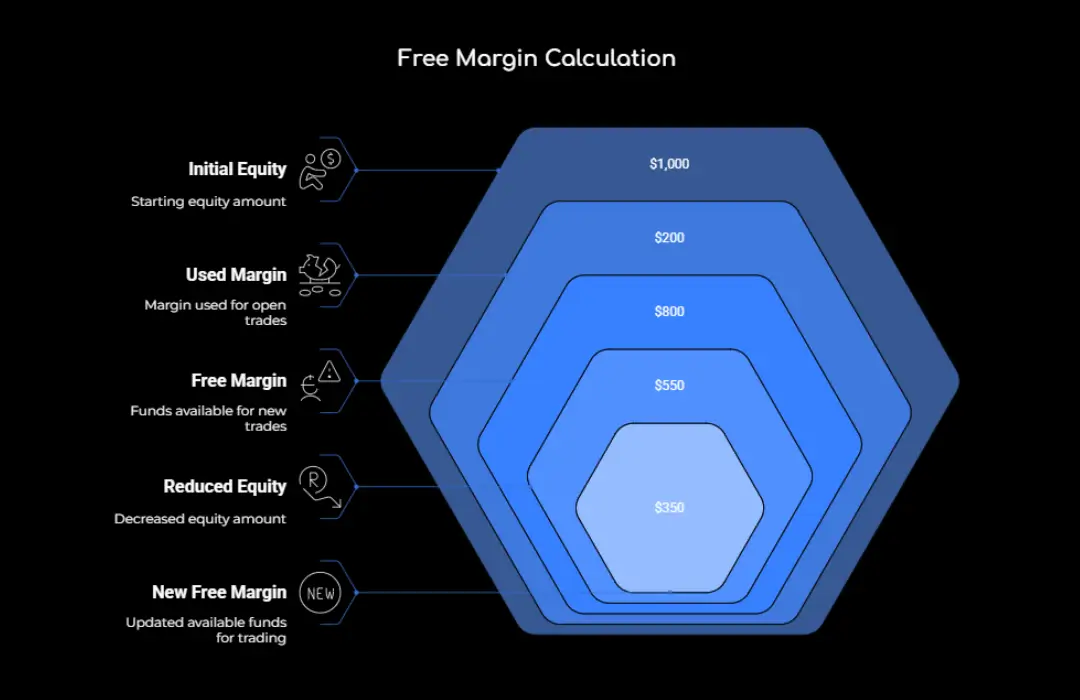
Free margin is the amount of money left in a trading account that isn’t tied to open trades. It determines how much money a trader has available to open new positions.
How can one calculate free margin?
Free margin = Equity - Used Margin
For example:
If a trader has a $1,000 equity and a $200 used margin, their free margin is $800.
If the equity drops to $550, their free margin becomes $350.
Traders will be unable to open new trades if the free margin is too low and their broker may automatically close open positions if it reach zero.
How Does Margin Level Impact Trading Ability?
Margin level affects a number of things; from how many positions traders can open to how much risk they can afford to take.
For instance, stop-out levels vary from broker to broker, which means margin level directly affects trading outcomes.
Here’s what I mean in detail:
Margin Level Determines Trading Capacity
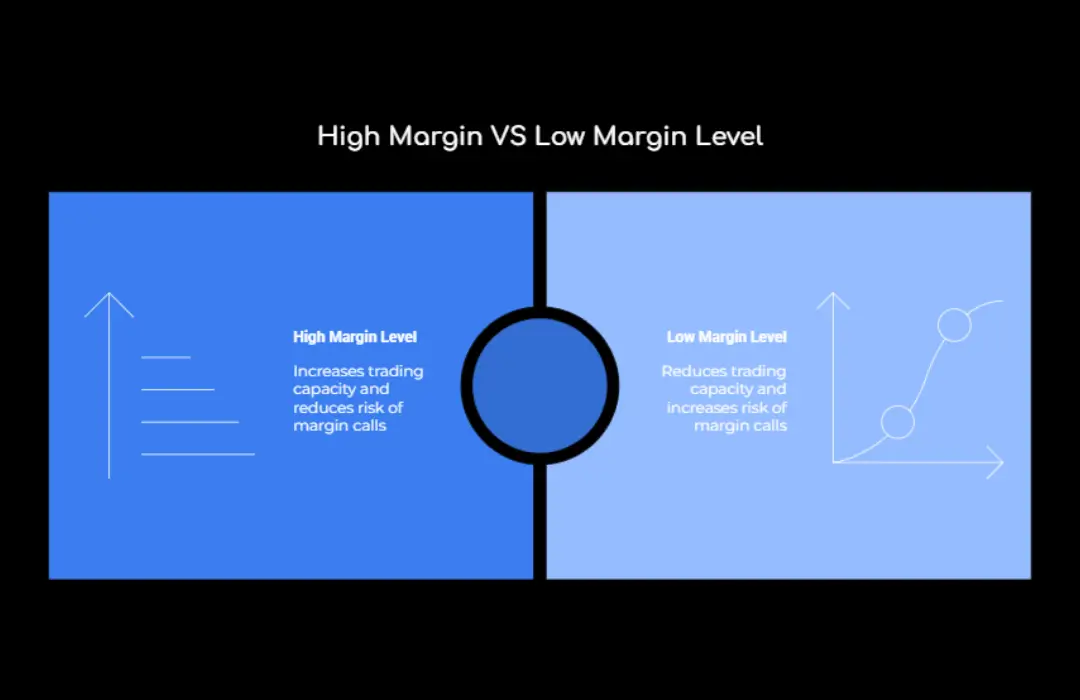
Margin level directly correlates with trading capacity. What this means is that investors have more capacity to open trades when they have a high margin level. Alternatively, trading capacity reduces with a lower margin level.
For example:
You can open more trades with a margin level of 600% than with one of 250% because the former is larger.
Margin Level Triggers Margin Calls and Stop-Outs
If margin level falls below a certain percentage set by a broker (maybe 50%), the investor receives a margin call, warning them about the low margin level.
If it falls even lower, the broker will liquidate any open positions.
Margin Level Affects How Risk Management
Traders can avoid unnecessary risk and forced liquidation by managing their margin level efficiently.
This means monitoring it and making trading decisions that favor it in the long run.
What is a Good Margin Level in Forex?
A good margin level is quite relative and depends on trading strategy, broker’s rules, and how traders manage risk.
Nevertheless, here are some general guidelines for a good forex margin level:
- Above 500%: Very safe, low risk
- 300% - 500%: Safe, manageable risk
- 150% - 300%: Moderate risk Below
- 100%: High risk, might trigger a margin call Below
- 50%: Broker will start closing trades
Aim for a margin level above 300%. This way, you can trade within a safe margin.
What Factors Can Affect Margin Level?
Some factors within a trader’s strategy and the market are responsible for any changes in margin level. Let’s explore them.
Trade Losses
Account equity reduces when open trades result in a loss. Since equity is directly tied to margin level, margin level will drop as well.
Leverage
Higher leverage means that investors enjoy smaller margin requirements. However, the downside to this is that it opens traders up to more risk.
The Number of Open Trades
More margin depletes as traders open more positions. So if you have multiple open trades, your margin level will deplete faster.
Market Changes
Market fluctuations are significant for to margin level. Sudden price changes can affect equity and margin levels alike.
Broker’s Margin Call Level
Every broker has a level at which they initiate a margin call. From my experience, it could be anything between 50% and 100%.
The broker’s margin call level will affect how you maintain your margin level.
How to Maintain Margin Level?
One of the keys to achieving long-term success in forex is maintaining a healthy margin level. Take a look at how to do it:
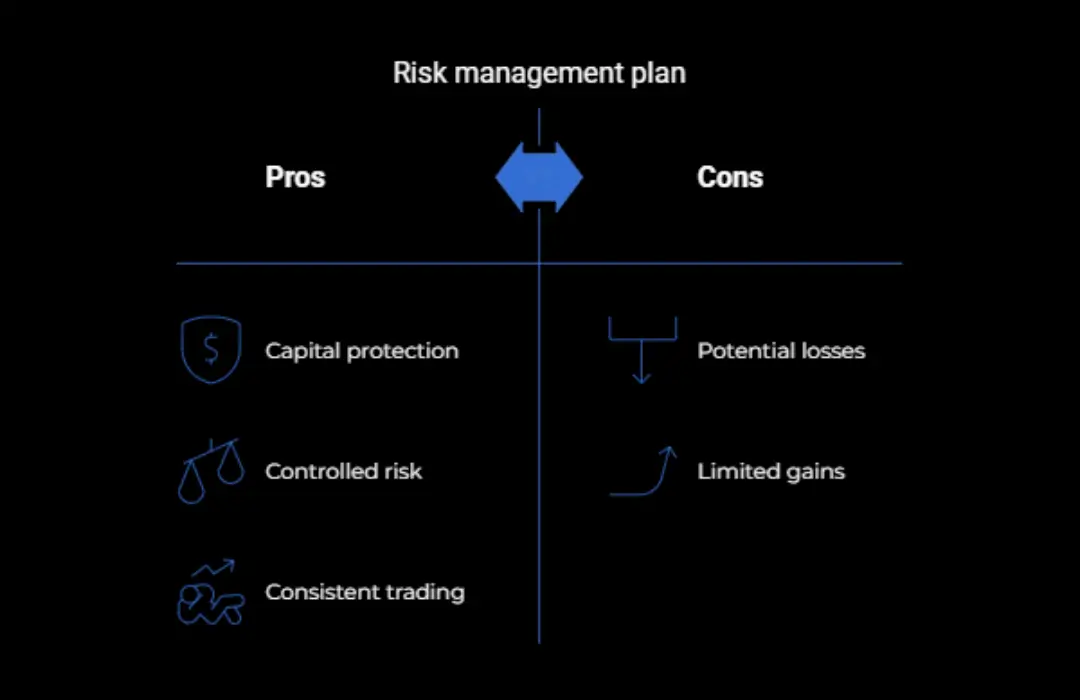
Have an Effective Risk Management Plan
To manage risk during trading, you need to have a plan that works.
My go-to tips are:
- Always set up stop-losses to protect the capital.
- Only risk 1-2% of margin per trade. See more in risk management steps.
Avoid High Leverage
A high leverage can put traders at risk and drain their margins fast. Consider using a lower ratio, maybe 1:20 or 1:10, instead of 1:500.
Monitor Free Margin
Be in the loop with your available free margin and keep it within the safe zone—300% and above. As a matter of fact, always check it before opening any new trades.
Deposit Funds When Necessary
Add more funds to your trading account if the margin level is getting low and you don’t want to close any open trades.
Close Losing Trades Sooner
Margin level decreases quicker when traders hold on to losing trades. If a trade is going against you, close it before it depletes your equity completely.
Utilize Hedging for Margin Protection
Hedging is a process that involves opening trades in the opposite direction to reduce risk. Hedging will help maintain a stable margin level during volatile market conditions.
Scale In/Out of Positions
Instead of going head-on into one big trade, open smaller trades over time. This helps keep the margin level afloat.
Use Margin Calculators Before Posing New Trades
I always recommend using a margin calculator to estimate the required margin. This way, investors know what they are going into and can monitor their margin levels.
How Margin Level Varies with Trading Styles?
Margin level also goes hand in hand with traders’ trading strategies. Find out how:
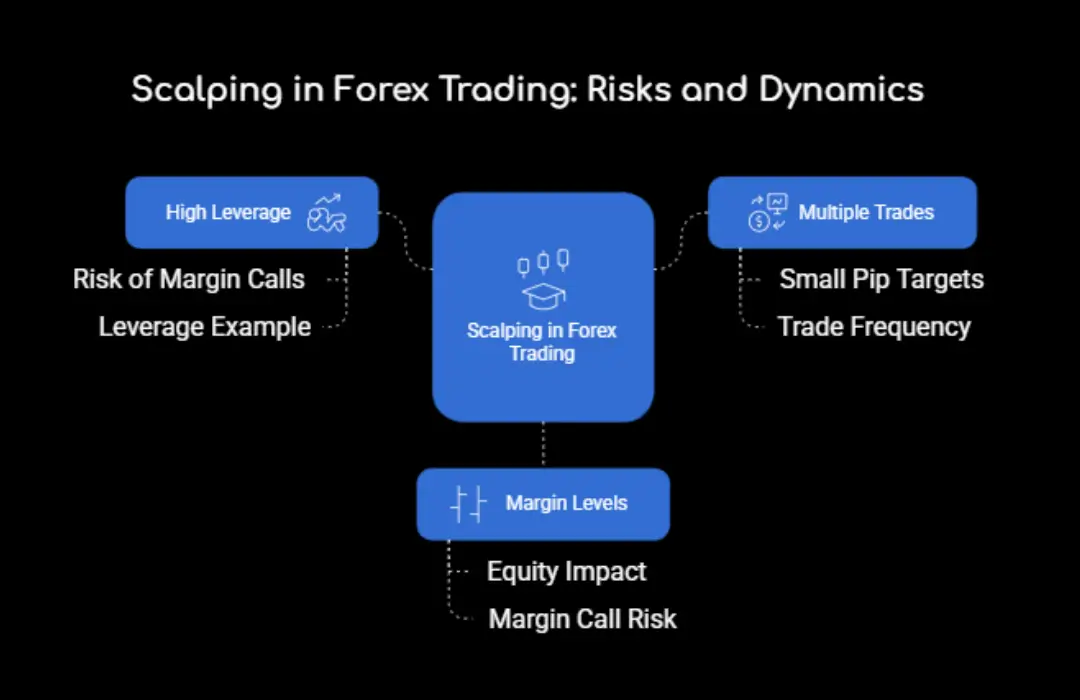
Scalping (Short-Term Trading With High Leverage)
A scalper trader usually opens multiple trades with small pip targets. They tend to use high leverage since the trades only remain open for a short period.
This practice results in lower margin levels and increases the risk of receiving margin calls.
For instance:
A trader with a $1,000 balance uses a 1:100 leverage and opens ten trades that require a total of $800 margin.
If this trader’s equity drops to $850, their margin level follows, reaching 106%, which may result in a margin call.
Swing Trading (Longer-Term Trading With Lower Leverage)
Swing traders tend to hold low-leverage positions for days or weeks. This method usually requires a much more significant portion of their margin but will reduce their risks.
Swing trading often results in higher margin levels, which means they have lower chances of getting margin calls.
Consider this example:
A trader with a $5,000 balance and 1:20 leverage opens a few trades that require a total of $1,000 margin. If their equity drops to $4,800, they still have a margin level of 480%, which is safe.
Common Margin Level Mistakes Traders Make
A number of mistakes put forex traders at risk of getting a warning call. Here are some of the most common:
Adding New Trades While Ignoring Margin Level
You’ll be doing yourself a disservice if you open new trades without considering the margin level first. The reason is that can quickly drain free margin and trigger a margin call.
Keeping Losing Trades for Too Long
Keeping a losing trade open for longer hoping that the market might favor you soon, may be draining your equity. It is better to cut losses and protect your remaining balance than gamble them away.
Using High Leverage Without Understanding the Risks
One key to remember about high leverage is that it magnifies both profits and losses.
Consider this. If the market is moving against a trader, their margin level can drop instantly.
How Do Overnight Positions Affect Margin Level?
Holding trades overnight may lead to paying swap fees. Swap fees reduce equity and lower margin levels.
Final Insights
Margin level is crucial to any trader’s strategy. It helps manage risk, control trades, and avoid margin calls.
Here’s my advice for managing margin level:
Keep margin level above 300%, avoid using high leverage, and have a proper risk management plan. This way, you can trade safely and protect your capital.
F. Nathan
Felix Nathan is a professional trader, market analyst, and business development executive with over a decade of experience in the forex and financial markets. Felix specializes in providing actionable market insights, trading strategies, and risk man...