 IUX
IUX
 Exness
 Vantage
 XM
XM
 ICMarkets
 LiteFinance
 Moneta
 Tickmill
 South Africa (9)
 India (9)
 Bangladesh (12)
 Germany (9)
 Thailand (10)
 Philippines (9)
 Nigeria (10)
 Vietnam (10)
 Malaysia (9)





Forex Trading Glossary - Ultimate Forex Dictionary



Share:
Share:
Education
7 min read
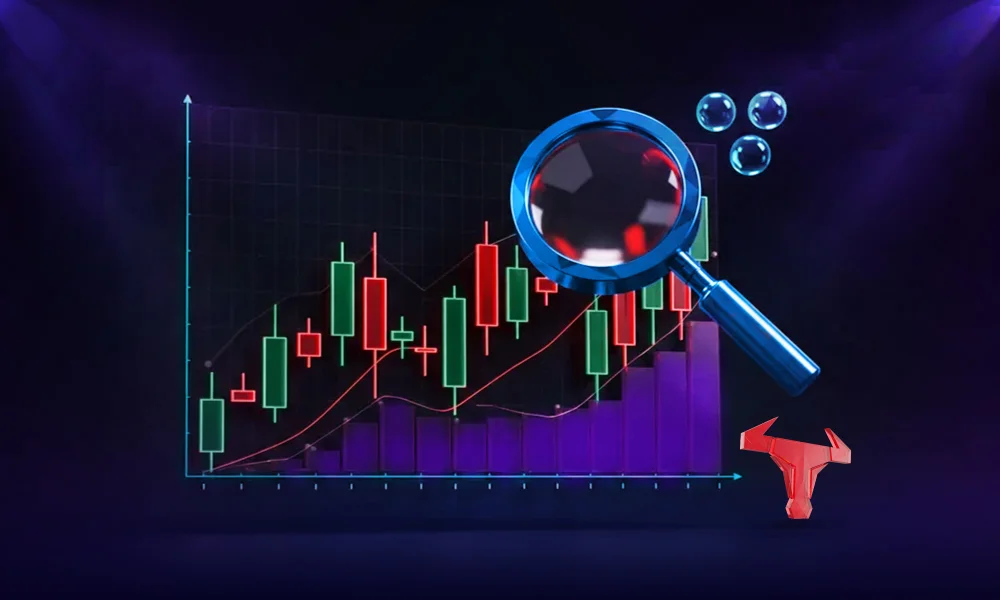
Pips, lots, spreads, margin calls—these terms get thrown around constantly in trading forums, broker platforms, and market analysis. If you're new to currency trading, the jargon can feel like a barrier. Even experienced traders occasionally encounter unfamiliar terminology as markets evolve and new instruments emerge.
This glossary serves as your reference guide to forex vocabulary. From basic concepts like bid and ask prices to more technical terms like Fibonacci retracement and carry trade, you'll find clear, practical definitions that cut through the confusion and help you trade with confidence.
Forex Basics to Help You Sound Like a Pro
Take a look at some of the most crucial concepts in Forex trading that you can casually drop into the conversation:
Major and Minor Currencies
Currency pairs are the backbone of the Forex market, and it is imperative to know the basics:
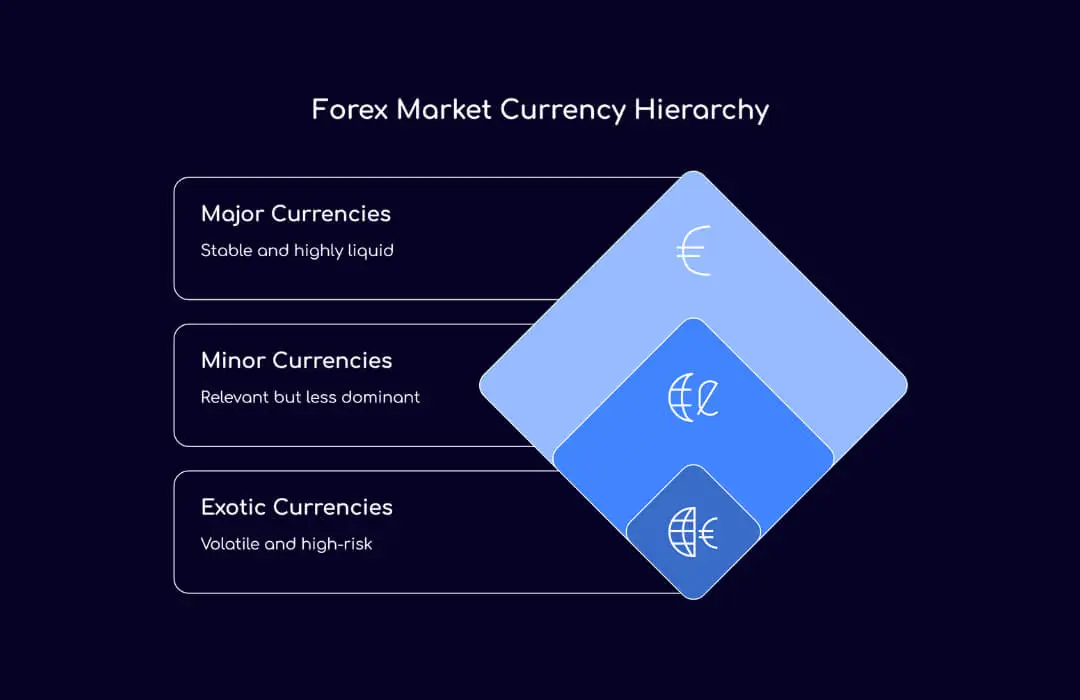
Majors
These include eight currencies with the largest trading volume: the USD, EUR, JPY, GBP, CHF, CAD, NZD, and AUD. They’re stable and highly liquid. They are the big players that move the global economy.
Minors
Minors are all the other currencies outside the major pairs. They’re still quite relevant. However, they are not as dominant and traded in less liquid markets.
Some examples include:
- Swedish Krona (SEK)
- Norwegian Krone (NOK)
- Danish Krone (DKK)
- Hong Kong Dollar (HKD)
- Singapore Dollar (SGD)
Exotic Currencies
I like to call these guys the behind-the-scenes currencies. This is because they are mostly found in emerging markets and less liquid. They are more volatile but sometimes offer big wins.
Examples of exotic currencies are:
- Turkish Lira (TRY)
- South African Rand (ZAR)
- Brazilian Real (BRL)
- Mexican Peso (MXN)
- Thai Baht (THB)
- Hungarian Forint (HUF)
- Polish Zloty (PLN)
- Indonesian Rupiah (IDR)
An example of how to weave this into the conversation with your date – I like stability, just like major currency pairs in forex. But sometimes, I take risks; almost like trading exotics. I find that life is more fun that way.
Base and Quote Currency
In every currency pair, there’s a base currency and quote currency.
The base currency is the one that comes first in the pair, and the quote currency is the second one.
For more context:
The base currency is the first in the pair (in EUR/USD this would be the EUR).
It is the one which the other currency is measured against, just like the main character in a novel, to which all the other characters’ lives tend to revolve around in some way.
The quote currency is the second currency (in EUR/USD this would be the USD). It refers to the value given for one unit of base currency.
If I were to weave this into a discussion with my date, I would say something like – The way I see it, relationships are like forex pairs. There’s always a base and a quote, partners just have to find the right balance. You bring value, and the right person appreciates it.
Pips and Pipettes
A pip or Percentage in Points is the smallest price move in forex, usually four decimal places or 0.0001 in EUR/USD. It is small but mighty, as even the slightest move can change everything.
Meanwhile, a pipette is 1/10 of a pip that helps to express prices even more accurately.
How can you incorporate this into a conversation? Easy! You can say something along the lines of –
“For me, it’s the little things that count. Almost like pips in Forex; even small movements make a big difference.”
Bid Price, Ask Price, and The Spread
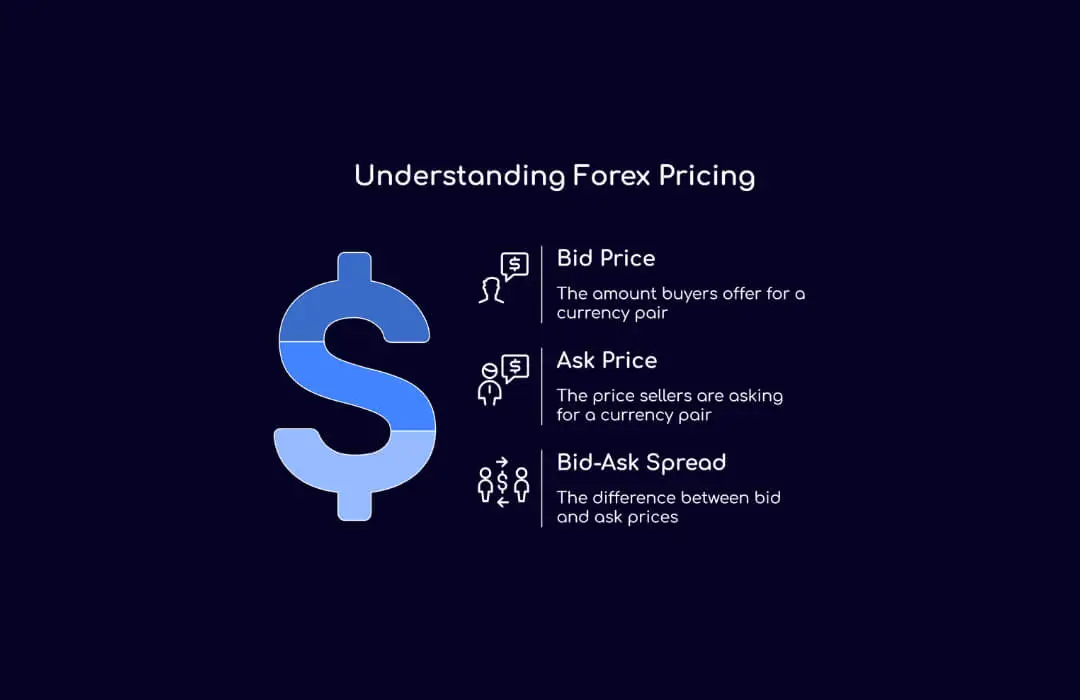
The bid price is an amount offered by buyers for a currency pair, while the ask price is what sellers are asking for.
The bid-ask spread is the difference between the bid and ask price, which determines transaction costs.
To infuse this into a date conversation about Forex, I’d probably say – You know how stores mark up prices to make a profit?
That’s exactly what happens in forex with the bid-ask spread. The trick is knowing when to buy and when to sell, just like knowing when to shoot your shot.
Leverage and Margin
Leverage in Forex refers to a trader’s ability to control huge amounts of trades using little funds in their accounts.
For example, if leverage is 100:1, it means that a trader with $100 can control $10,000 operating trade.
On the other hand, margin means how much deposit a trader needs to control a leveraged Forex position.
As always, a sample to help you put this knowledge to good use – Using leverage in forex is like taking a calculated risk in love; you can win big, but you also need to manage it wisely.
Anyone who goes all in recklessly might end up with their heart in the red.
Going Long vs. Going Short
A short position involves selling a currency pair while expecting it to decrease in its value.
Meanwhile, a long position is the process of buying a currency pair in the hopes that its value will increase.
Here’s a sample to go with this – I find that modern day dating is like forex; you can either go long for the commitment or short when you figure it's going nowhere. The key is knowing when to hold on and when to let go.
Stop-Loss and Take-Profit Orders
These orders help traders maximize profits and prevent losses in their own right.
For instance,
A stop-loss order automatically closes a trade to prevent big losses, while a take-profit order automatically locks in profits at a set level.
For context usage – I believe knowing when to walk away is crucial, in both forex and relationships. That’s why stop-losses exist.
FOMO and Market Sentiment
Fear of Missing Out (FOMO) happens when traders jump into an investment because they’re afraid of missing big moves. In my experience, this leads to rash decisions.
Market sentiment describes the overall mood of traders that usually influences price movements.
Take this contextual example – I try to take my time to know people before dating because I know that you might want someone perceived as hot right now, only to find you never really wanted them after all, and that’s unfair to them and you.
Liquidity
Liquidity talks about how easy it is to sell or buy an asset without affecting its price.
For instance – I believe that big cities have more dating options, just like major currencies have higher liquidity. It’s all about access and availability. The real challenge? Finding true value among all the choices. What do you think?
Bullish vs. Bearish
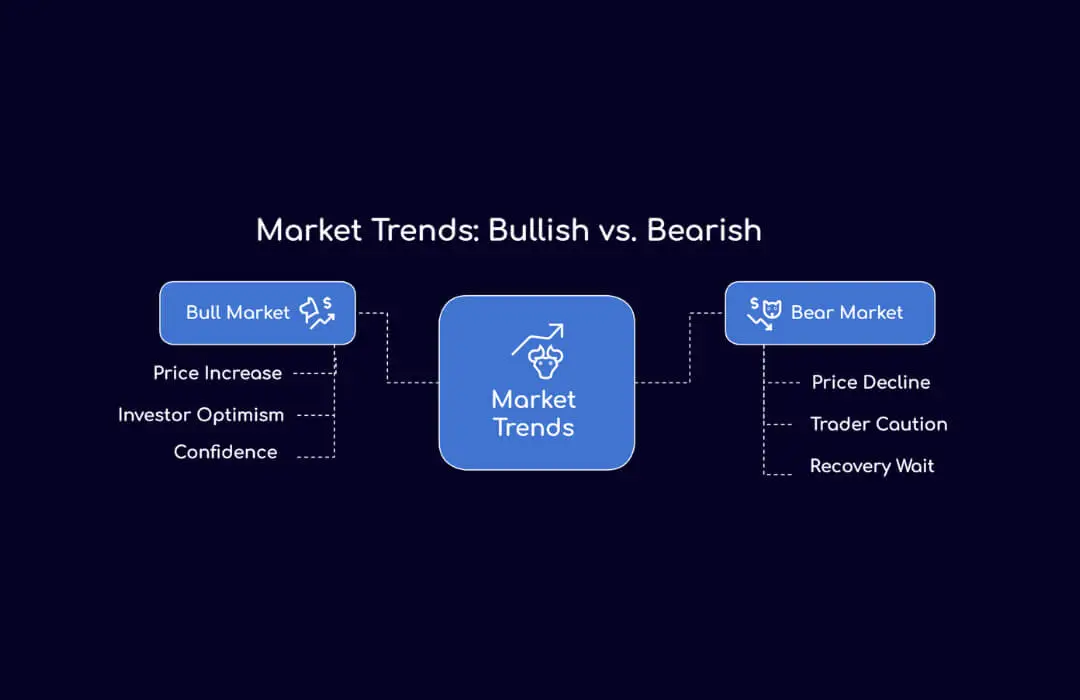
In a bull market, prices are rising, optimism is high, and confidence is the order of the day.
On the flip side, prices plunge, traders become cautious and wait for a recovery in a bearish market.
Quick example – Our date is totally bullish. I see lots of potential. I hope I am right.
Closing The Curtain
Next time you go on a date, make your conversation nice and sprinkle it with some forex lingo, especially if the person shares a passion for trading.
Compare relationships to currency pairs, talk market sentiment, and you'll be sounding ever so confident and knowledgeable.
Who knows? Maybe your date will be so impressed that they will want to learn more from you. And that is how you win in both forex and love, my friend.
F. Nathan
Felix Nathan is a professional trader, market analyst, and business development executive with over a decade of experience in the forex and financial markets. Felix specializes in providing actionable market insights, trading strategies, and risk man...