 IUX
IUX
 Exness
 Vantage
 XM
XM
 ICMarkets
 LiteFinance
 Moneta
 Tickmill
 South Africa (9)
 India (9)
 Bangladesh (12)
 Germany (9)
 Thailand (10)
 Philippines (9)
 Nigeria (10)
 Vietnam (10)
 Malaysia (9)





Tips for Forex Trading: A Beginner’s Guide!



Share:
Share:
Education
11 min read
Forex trading begins with building a solid foundation before risking real money. Start by choosing a regulated broker, learning how currency pairs work, and practicing on a demo account until your strategy shows consistent results. Create a clear trading plan that defines your entry and exit rules, position sizes, and risk tolerance.
Never risk more than 1-2% of your account on a single trade, and always use stop-loss orders to protect your capital. Keep leverage low, especially early on, because it magnifies losses just as fast as it magnifies gains.
Focus on major pairs like EUR/USD or GBP/USD for tighter spreads and better liquidity.

Ready to unlock the world's largest financial market? Let's begin.
Start With the Building Blocks, Because They Matter
No, I’m not saying you need to be an economist. You simply need to understand the foundations of forex first.
Understand What Forex Pairs Are
In forex, currencies like EUR/USD or GBP/JPY are traded in pairs. You're essentially comparing the value of one currency against another. If you think the Euro will rise against the US Dollar, you buy EUR/USD. If you think it’ll fall, you sell it.
Sounds simple, right? But that is not enough. You also need to know how these pairs behave and what influences them.
Learn How Buying and Selling Currency Pairs Work
Forex is a two-way market. That means you can profit whether a currency pair is going up or down, as long as you correctly predict the direction.
This “Buy Low, Sell High” or “Sell High, Buy Low” concept is the foundation of trading. You’ll also want to learn about things like pips, lots, leverage, and margin, all of which affect your potential gains and losses.
Know What Moves the Market
Currencies don’t move randomly, they react to news, economic data, geopolitical events, and even investor sentiment. For instance, if a central bank raises its interest rates, that might boost a currency. Or if there’s political uncertainty, such as war or elections, that might weaken one. You can anticipate moves instead of reacting late when you know such details.
There Are Also Helpful Resources for You
There’s no shortage of beginner-friendly materials out there. You don’t need to pay for an expensive course to get started. Look for:
- “Forex Trading for Dummies” guides (yes, that’s a real thing).
- Free Forex trading PDFs that break things down visually.
- Simple blogs or eBooks explaining key terms and concepts.
Practice Before You Go Pro
I doubt you’d get into a car without learning to drive first.
The same idea applies here. You’ll need to practice in a risk-free zone such as a demo account.
Think of a demo account as a trading simulator. A demo account lets you trade real markets with fake money. You’ll get to play around with actual trading platforms (like MetaTrader 4/5 or whatever your broker offers) and practice placing trades, adjusting stop-losses, setting take-profits, and managing your positions, all without the fear of losing your rent money.
As a New Trader, a Demo Account Might Just Be Your Best Friend
- You’ll learn how to execute trades correctly. So that when you begin trading with real money, there’ll be no accidental “Buy” when you meant to “Sell”.
- You’ll get a feel for how the market moves throughout the day.
- You’ll test your strategies in real-time market conditions.
- And most importantly, you’ll build confidence.
Because trust me, clicking that “Buy” button for the first time with real money is a whole different level of adrenaline. And unless you’ve practiced, you might freeze, panic, or just make impulsive decisions.
If you’re wondering how long you can stay in demo mode, my suggestion is at least a month. Seriously. Give yourself time to get comfortable with the tools and figure out your trading style. Some people stay on demo accounts for 3 to 6 months, and that’s perfectly fine. The market isn’t going anywhere.
Remember that you’re not in a race, you’re simply building a skill.
Guard Your Gains With Risk Management
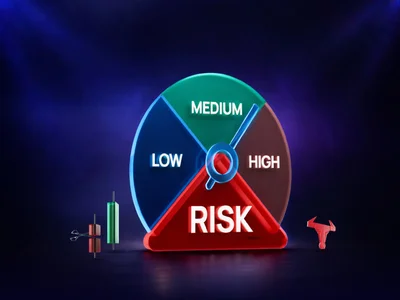
Risk management is not the most exciting part of trading, but it’s the reason some beginners stick around long enough to actually get good, while others burn out and give up.
Here are some ways to manage risk on your forex trading account and protect your money:
Try Stop-Loss Orders
Stop loss orders are your emergency brake. A stop-loss order automatically closes your trade if the market moves against you beyond a certain point. It helps to cut your losses and walk away with your account (and sanity) intact.
In case you didn’t know, every trader takes losses. The smart ones just don’t let those losses wipe them out.
Take-Profit Orders
Have you ever seen a trade go into profit… only to turn around and hit your stop-loss later? That sounds painful. A take-profit order helps you avoid that heartbreak. It keeps your gains once the market hits your target price.
Position Sizing
You should never risk your entire account on one trade, or even 10%. A good rule of thumb is to risk only 1–2% of your trading account per trade. That way, even if you lose a few trades in a row (and you will), you still have capital to keep going.
If you have $1,000 in your account, risk no more than $10–$20 per trade. That’s how you stay in the game, just like the big shot forex traders.
Leverage Control
It is tempting to use high leverage. This is because leverage lets you control a large position with a small amount of money.
But the catch is that it magnifies both profits and losses. So while it can speed things up, it can also wreck your account real quick if you’re not careful.
Start small and learn the ropes, then gradually increase your leverage only when you know what you’re doing.
Even if You're Just Starting, Have a Trading Plan
Ideally, your plan should cover:
- Your trading goals (short-term and long-term)
- The strategy you’ll use (price levels, indicators, patterns)
- Clear entry and exit rules
- Time management, which clearly outlines when and how often you’ll trade
- A journal to track your trades
Your Broker Can Make or Break You, So Choose Smart
Even if you have the perfect strategy and solid risk management, a bad broker can still ruin everything.
Think of it like this: your broker is your trading partner. If they’re unreliable, shady, or just plain frustrating to use, it’s going to affect how (and how well) you trade.
These are what to look for and why it matters:
Regulation Is a Non-Negotiable
Always, always choose a broker that’s properly regulated by a recognized financial authority. That means they’ve met certain standards and are being watched closely to make sure they’re not doing anything shady.
If they have no license, they can’t be trusted. Also, if it looks too good to be true, it probably is. Look for brokers regulated by trusted bodies.
Look for Brokers That Offer Tight Spreads
Every time you enter a trade, your broker takes a small cut, usually in the form of a spread (the difference between the buy and sell price) or a commission.
High spreads can quietly eat into your profits, especially if you’re trading frequently.
Look for brokers that offer tight spreads, especially on major pairs like EUR/USD. And make sure their commission structure is clear and fair, make sure there are no sneaky hidden fees.
You Want a Platform That’s Clean and Easy to Navigate
Some trading platforms look like they were built in 2005… by someone who hated good design.
You want a platform that’s clean, easy to navigate, and doesn’t make you click 10 buttons just to place a trade. Bonus points if it has a solid mobile app, because most of us check our trades on the go, on our phones.
Platforms like MetaTrader 4/5, cTrader, or custom broker apps are great, as long as they’re reliable and beginner-friendly.
You’ll Need Customer Support That Actually Responds
Things can and will go wrong sometimes. Maybe a withdrawal is delayed. Maybe a trade didn’t execute. That’s when you’ll need support that actually responds.
Look for brokers with 24/5 or 24/7 support via live chat, email, or phone. Try reaching out with a test question before signing up. If they take forever to reply or seem clueless, that’s a red flag.
Simple Deposit and Withdrawal Options
If it’s easy to deposit but a headache to withdraw? Run. Fast.
A good broker should support a range of funding methods, from bank transfers to cards, even local payment options, depending on your country. And more importantly, you should be able to get your money out easily, without long delays or sketchy excuses.
Consider Your Preferred Trading Style
Before you go headfirst into the forex market, take a second to ask yourself: How do I actually like to operate? What is my trading style like?
Are You a Fast Thinker Who Loves a Bit of Action?
If you thrive on quick decisions and live for that adrenaline rush, you might be a scalper.
Scalping means placing a bunch of quick trades, which happens by holding positions for just a few minutes. The goal is to grab small profits over and over again. It is fast, intense, and requires laser focus.
Scalping is perfect if you love high energy, have time to monitor the charts constantly, and don’t mind being glued to your screen.
Do You Prefer a More Relaxed Style, Where You Can Check Your Trades Once a Day?
You’re probably better suited for swing trading. Swing traders hold trades for several days or even weeks. They hope to catch bigger price movements without the daily stress. It is slower-paced and more strategic.
If you’ve got a day job and can’t be on your screen 24/7, or just prefer a more chill approach to trading, you will appreciate swing trading.
Or Do You Have Time in the Evenings or Just Weekends?
Some traders only have an hour or two at the end of the day to trade, and that’s okay. That might point you toward day trading (if you can dedicate full sessions) or position trading, where you hold trades for longer and check in just once in a while.
You Can Trade on Your Phone, but Tread Carefully
Since we’re on our phones all the time anyway. So naturally, the idea of trading forex from your phone sounds pretty convenient, right? You could be in line for a snack, on a lunch break, or just chilling in bed, and still be checking the markets.
So yes, you can trade on your phone as a beginner… but tread carefully. Here’s how I like to see things.
On one hand, mobile apps like MetaTrader, cTrader, and many broker platforms are super handy. You can monitor your trades, set alerts, check charts, and even enter or exit positions with just a few taps.
But here’s the flip side: it is way too easy to trade emotionally when you’re using your phone. Think about it, one minute you’re scrolling Instagram, the next you’re placing a trade just because you saw a candle spike or someone tweeted “USD is crashing!” That is not trading, you may as well be gambling.
Be Smart About How You Use Your Phone
If you’re just starting, try this approach instead:
- Use your phone for monitoring, not managing full trades.
- Set up price alerts so you’re notified when something interesting is happening, without obsessively checking the charts.
- Make major trade decisions on a desktop or tablet, where you can see the full picture, use detailed charting tools, and actually think things through.
Sure, over time, you might get comfortable enough to trade fully from your phone. Some pros even prefer it. But even then, they’ve got the discipline and structure to avoid impulsive mistakes. So don’t rush it.
Keep Your Emotions Out of It
Fear, greed, and revenge trading are the top reasons beginners blow their accounts. Build discipline by following your trading plan, limiting screen time, and accepting losses without chasing them (revenge trading).
Keep Learning
The forex market doesn’t stand still, and neither should you. Subscribe to reliable market news, follow expert analysis, and backtest your strategies regularly.
F. Nathan
Felix Nathan is a professional trader, market analyst, and business development executive with over a decade of experience in the forex and financial markets. Felix specializes in providing actionable market insights, trading strategies, and risk man...