 IUX
IUX
 Exness
 Vantage
 XM
XM
 ICMarkets
 LiteFinance
 Moneta
 Tickmill
 South Africa (9)
 India (9)
 Bangladesh (12)
 Germany (9)
 Thailand (10)
 Philippines (9)
 Nigeria (10)
 Vietnam (10)
 Malaysia (9)





Best Trading Option for Beginners in 2026



Share:
Share:
Education
9 min read
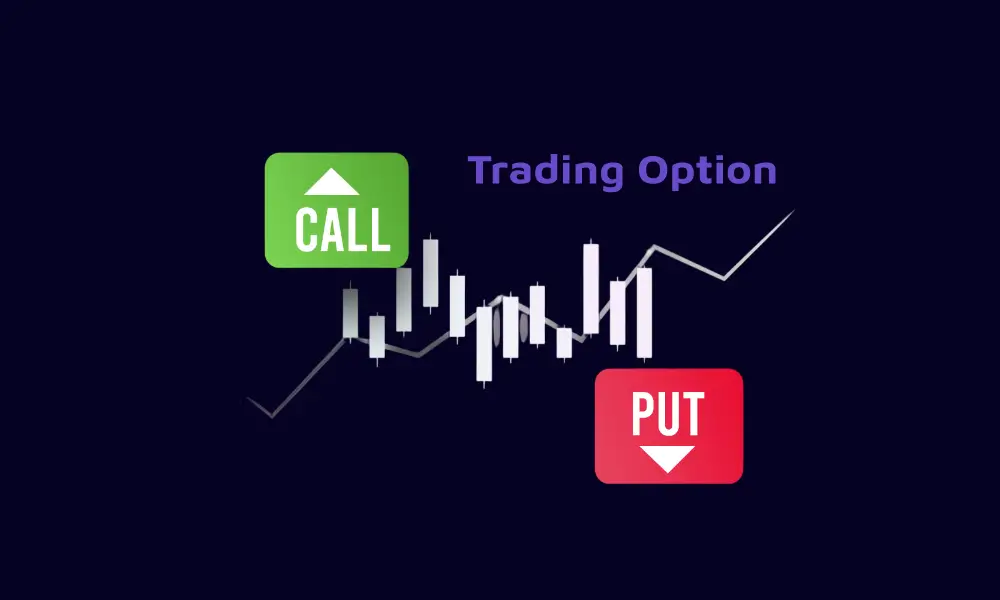
Beginners face a crowded landscape of trading options in 2026. Forex, stocks, ETFs, crypto, options, futures—each promises opportunity, but each carries its own learning curve and risk profile. Jumping into the wrong market too early can drain your capital before you learn anything useful.
The best starting point balances simplicity, accessibility, and manageable risk. You want a market that teaches core skills like chart reading, position management, and emotional control without overwhelming complexity.
This guide breaks down the most beginner-friendly trading options available right now and helps you pick one that matches your goals, budget, and available time.
Start Simple: Stocks and ETFs Are Basically Beginner Gold
If you're just getting started with trading or investing, diving into complicated instruments like forex or crypto might feel like jumping into the deep end without knowing how to swim.
That’s where stocks and ETFs come in, they’re like the shallow end of the pool, where you can learn the ropes without getting overwhelmed (or wiped out).
Trading individual stocks means you’re buying ownership in companies you know and maybe even love.
For example, Apple, Netflix, or Tesla. You’re not just clicking buttons, you’re putting your money into businesses that make real products and generate real revenue.
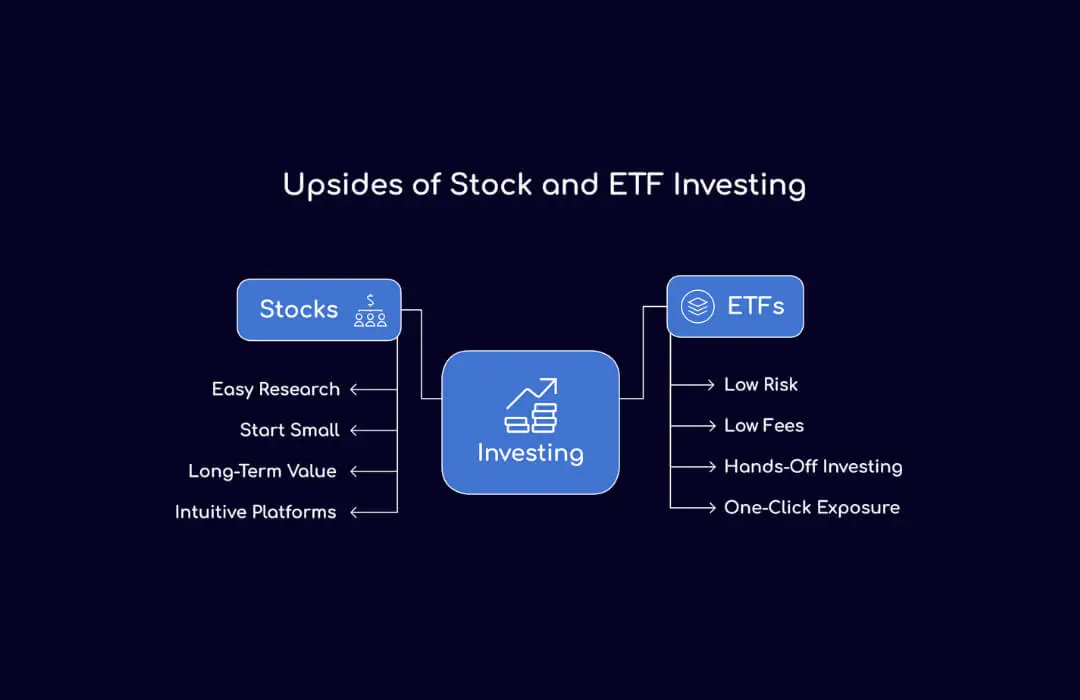
Here Are the Upsides:
- Stocks are easy to research. You can Google a company’s earnings, news, and performance.
- You can start small. Thanks to fractional shares, investing $10 in Amazon is totally possible now.
- You’re building long-term value. Stocks have historically grown over time, especially those from solid, established companies (also known as “blue-chip” stocks).
- Platforms like Robinhood, Fidelity, or SoFi make buying and selling stocks super intuitive, with clean interfaces, helpful guides, and even zero commission trades.
- ETFs (Exchange-Traded Funds) are like the snack packs of investing, you get a little bit of everything in one bite.
- Instead of buying one company’s stock, you’re investing in a bundle of them. Some ETFs follow themes (like clean energy, tech, or healthcare), while others track entire markets, like the S&P 500 or Nasdaq.
ETFs Are Beginner Gold Because:
- They are low risk through diversification. If one company in the ETF underperforms, others in the fund can balance it out.
- They come with low fees. Most ETFs charge very little to manage your money.
- It comes with hands-off investing. You don’t need to monitor each company individually.
- You get one-click exposure. Want to own a slice of 500 top U.S. companies? Just buy an S&P 500 ETF.
Ready for a Little More Action? Try Options Trading, But Slowly
Options trading may sound complex, but there are beginner-friendly strategies that offer controlled risk and potential reward.
Here’s a bite-sized intro:
First, what is an option?
An option is like reserving the right to make a move in the future, but only if it makes sense for you.
Here’s a bite-sized breakdown:
- A call option gives you the right (but not the obligation) to buy a stock at a set price (called the strike price) before a certain date.
- A put option gives you the right (again, not the obligation) to sell a stock at a set price before expiration.
- Think of it like paying a small reservation fee for the opportunity to make a bigger move later.
- You don’t have to own the stock to trade options (though in some beginner strategies, owning stock helps). You’re essentially paying a premium for the flexibility to act if the market moves in your favor
- A call option gives you the right (not the obligation) to buy a stock at a set price by a certain date.
- A put option lets you sell it under the same conditions. You don’t need to own the stock to trade options. You’re paying a premium for this right, sort of like a reservation fee.
Covered Call
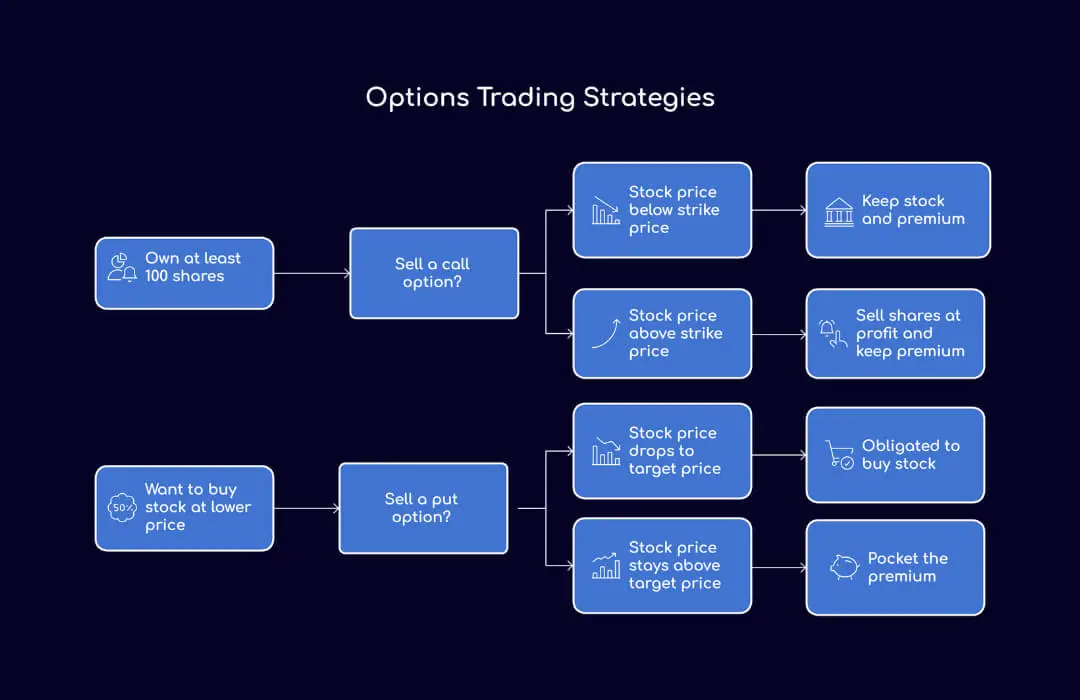
Own at least 100 shares of a stock? You can sell a call option on that stock.
- If the stock price stays below the strike price, you keep the stock and the premium (aka free money).
- If it rises above the strike price, you sell the shares at a profit and still keep the premium.
It works because it is low-risk, and you’re getting paid to wait, which is perfect if you're holding long-term stocks anyway.
Cash-Secured Put
Let’s say there’s a stock you want to buy, but only at a lower price.
You can sell a put option at your target price and receive a premium upfront.
- If the stock drops to that level, you’re obligated to buy it (which you were okay with anyway).
- If it doesn’t, you just pocket the premium.
You either buy the stock you wanted at a discount, or you earn some extra cash while waiting.
For beginners, covered calls and cash-secured puts are great low-risk ways to dip your toes in.
Want a real-world example? Imagine owning 100 shares of a stock. You can sell a covered call and earn income while holding your shares. It’s simple, strategic, and used by many cautious investors.
Learn more: Common forex trading mistakes to avoid.
Choosing the Right Platform
When you’re just starting, the last thing you want is a trading platform that feels like a cockpit. Cluttered dashboards, confusing order types, and laggy charts? No, thank you.
As a beginner, you need a platform that’s:
- Easy to navigate.
- Packed with learning resources.
- Ideally, comes with a free demo or paper trading mode to practice before putting real money at risk.
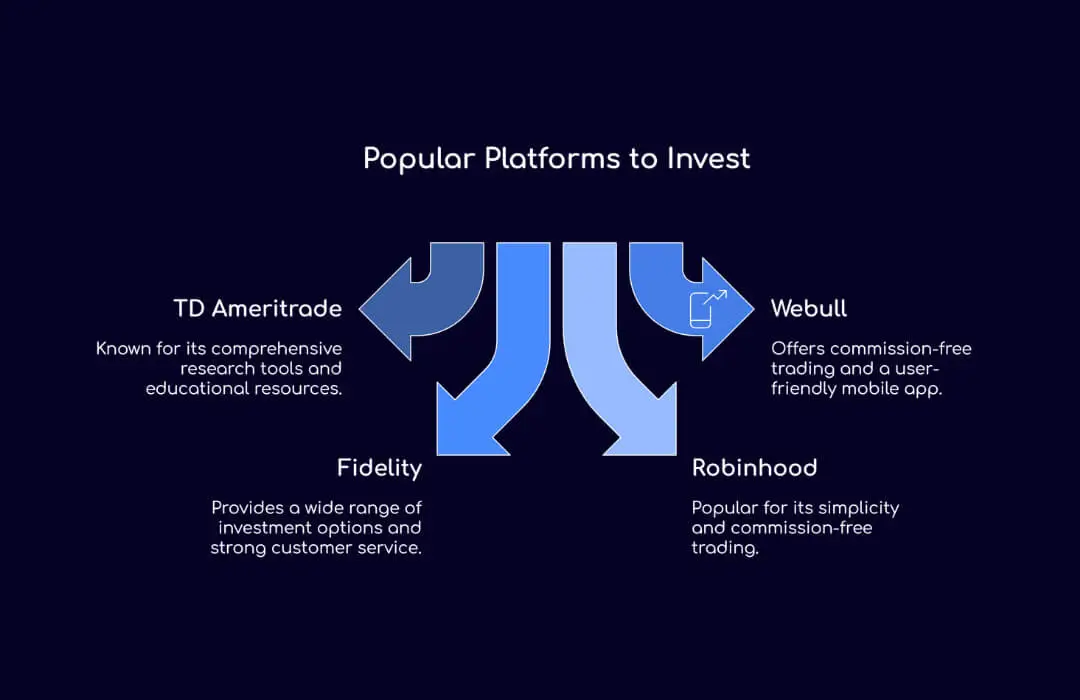
Here’s a quick rundown of some popular beginner-friendly platforms worth considering:
- TD Ameritrade
- Webull
- Fidelity
- Robinhood
Don’t forget demo (or paper) platforms for learning.
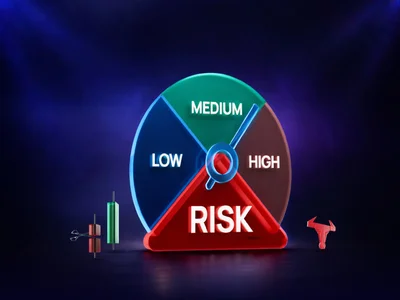
Know Your Risk, And Protect It
Let’s get real: trading isn’t a get-rich-quick scheme. It’s more like a long game of chess where every move should be thoughtful, not impulsive.
And the most important move of all? Protecting your capital.
Golden Rule #1: Only Trade What You Can Afford to Lose
Seriously. If losing the money in your account would wreck your rent, savings, or sleep, don’t risk it.
Trading should never be done with money meant for bills, emergency funds, or grandma’s birthday gift.
This is why risk management is the #1 skill that separates smart traders from reckless ones.
Set a Stop-Loss (Always)
A stop-loss is your safety net, it automatically exits a trade if the market moves against you.
Think of it as a pre-set exit button to limit how much you lose, a way to protect yourself from making emotional, last-second decisions, your backup plan when you’re not at your screen.
If you buy a stock at $50, you might set a stop-loss at $47. If it drops, you're out, no guesswork, no panic-selling.
Size Matters, Keep It Small
Beginners often make the mistake of going in too big, too fast.
But even a great strategy can go sideways if you’re risking too much. That’s why position sizing is your secret weapon.
Never risk more than 1–2% of your total trading account on a single trade.
So, if you have a $1,000 account, the most you should lose on any one trade is $10 to $20.
This helps you survive losing streaks (they happen) and gives you enough room to learn and improve over time.
Plan Your Exit Before You Enter
Don’t just ask, “What if this trade goes well?” Also ask: “What if it doesn’t?”
A solid plan includes your entry point (when to get in), your target profit (when to get out with gains), and your stop-loss (when to cut your losses).
This removes emotion from the equation, no second-guessing, no chasing losses, no trading on gut feelings.
How Much Should You Start With?
This is one of the most common questions for new traders, and the truth is, you don’t need thousands of dollars to get started.
The Bare Minimum, $100
Yes, you can technically start with just $100, especially if you’re using platforms like Robinhood, Fidelity, or Public that allow fractional share investing.
That means you don’t need $300 to buy a full share of Tesla or $500+ for one share of Amazon. You can invest in small pieces, like $10 worth of Apple.
$100 is best for total beginners testing the waters, learning the ropes of buying and selling, and getting familiar with your trading platform.
But keep in mind: with such a small balance, your profit potential is limited, and so is your ability to diversify.
The Sweet Spot, $500–$1,000
If you're getting serious about learning, practicing, and growing, $500 to $1,000 is a more realistic starting point.
Here’s why:
- You can spread your capital across a few different stocks or ETFs
- You’ll feel the emotional weight of gains and losses (important for building trading discipline)
- You can test real strategies with meaningful feedback
- You’re less likely to blow your entire account on one bad trade
This range gives you room to make early mistakes and learn from them without wiping out your account.
Thinking About Options? Start With $1,000+
Options trading can be incredibly rewarding, but it’s not something to casually stumble into.
You’ll want at least $1,000 to cover the cost of option contracts (which are priced per 100 shares), handle premiums, fees, and potential losses, and practice safer strategies like covered calls or cash-secured puts.
More importantly, take time to learn the lingo like strike price, expiration date, Greeks, and intrinsic vs. extrinsic value before putting your money on the line.
Best Trading Option? The One You Understand
So, what’s the best trading option for beginners?
It’s the one you actually understand and can stick with consistently. For most, that’s stocks or ETFs. For the curious and slightly adventurous, basic options trading strategies like covered calls or cash-secured puts can be smart stepping stones.
Don’t rush. Learn the basics. Practice with virtual trading. Then test real money, slowly.
The market isn’t going anywhere.
F. Nathan
Felix Nathan is a professional trader, market analyst, and business development executive with over a decade of experience in the forex and financial markets. Felix specializes in providing actionable market insights, trading strategies, and risk man...