 IUX
IUX
 Exness
 Vantage
 XM
XM
 ICMarkets
 LiteFinance
 Moneta
 Tickmill
 South Africa (9)
 India (9)
 Bangladesh (12)
 Germany (9)
 Thailand (10)
 Philippines (9)
 Nigeria (10)
 Vietnam (10)
 Malaysia (9)





Top 10 Beginner Forex Trading Mistakes & 5 Practical Solutions



Share:
Share:
Education
11 min read
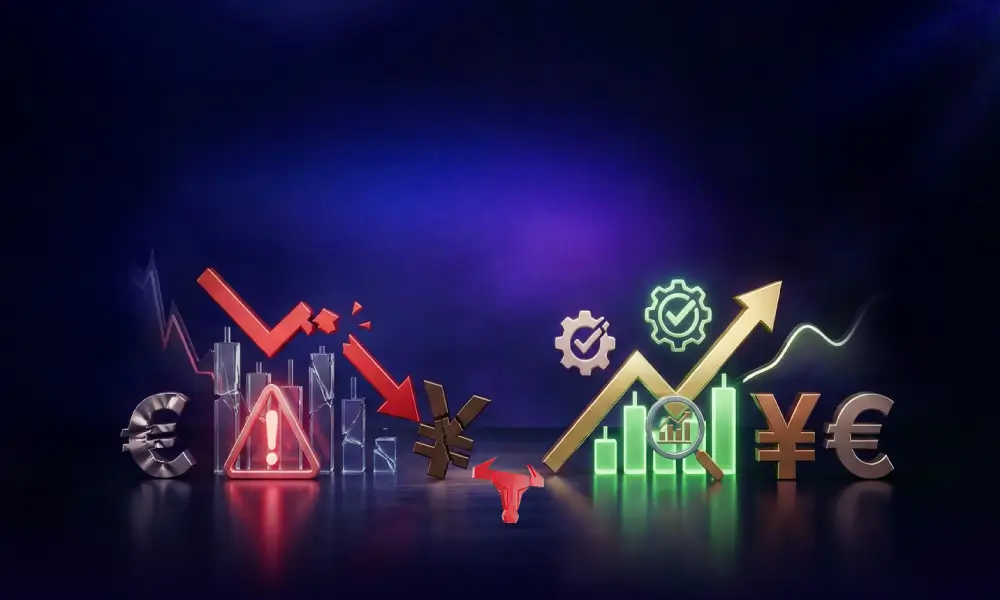
Every day, thousands of newcomers enter the forex market with dreams of financial freedom, but without the right knowledge, those dreams can quickly turn into nightmares. The currency market might seem like a sea of confusing numbers and terms, but understanding the common challenges can save you both money and heartache.
As we often discuss at TopAsiaFX, whether you're losing sleep over unexpected margin calls or battling the emotional rollercoaster of trading. These mistakes aren't just frustrating, they're expensive lessons that many traders learn the hard way.
One of the most tempting and costly traps for new traders is overtrading—the urge to jump into every potential opportunity and scalp the market for small gains.
In this guide, we'll break down the five most common mistakes new forex traders make and, more importantly, give you practical, no-nonsense solutions to overcome them.
Recognizing Mistakes Made by New Forex Traders
Discipline and knowledge are essential in the forex market. Identifying where new traders often go wrong helps start a better trading path. Beginners make the same common errors, and knowing how to avoid these mistakes makes success more likely. Dodging these pitfalls can increase your chances to earn profits.
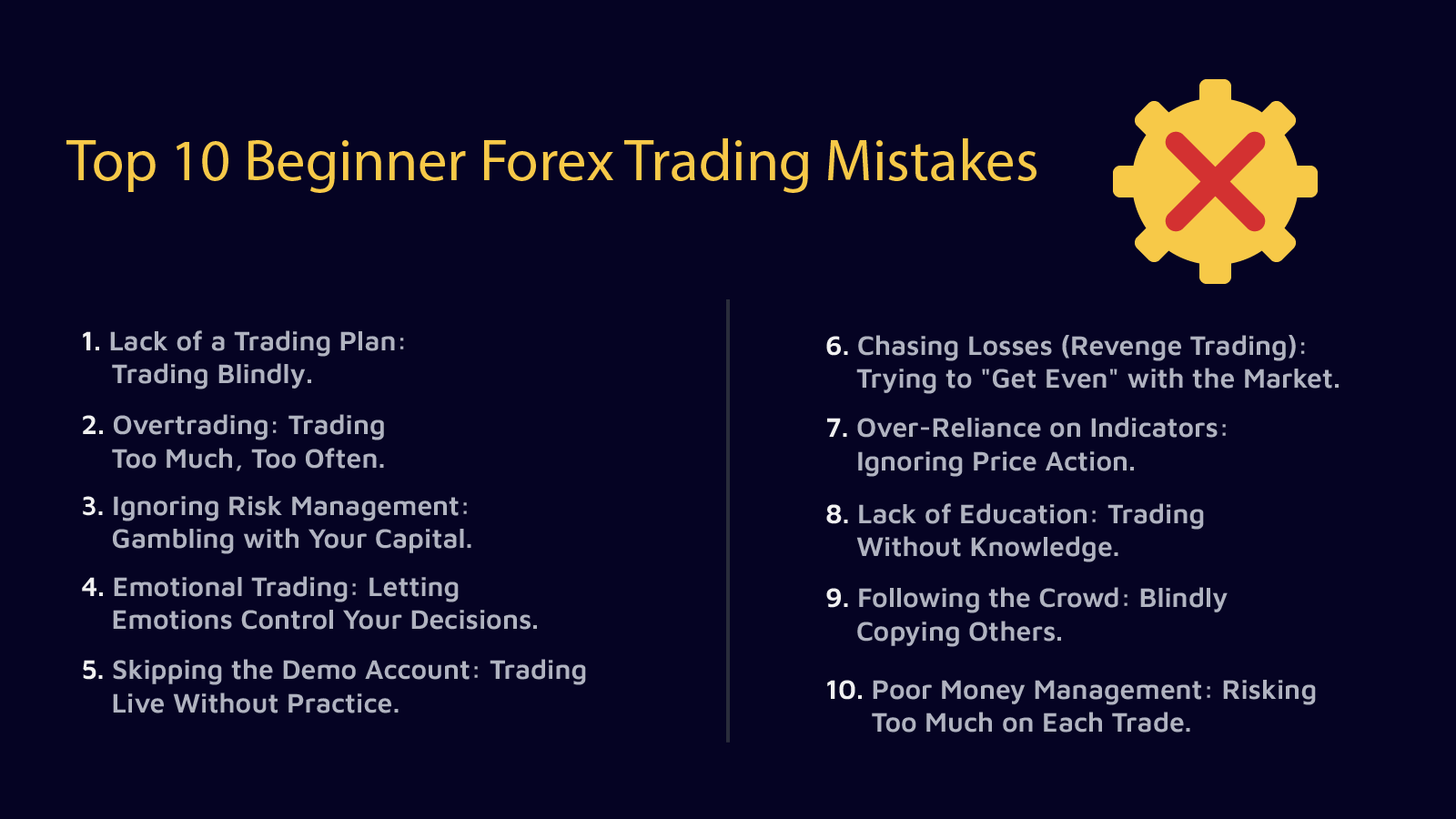
1. Not Having a Trading Plan: Trading Without Direction
Trading without a plan is like sailing without knowing where you’re going. A trading plan works like a guide. It lays out your goals, risk limits, strategies, and rules for entering and exiting trades. It helps you make steady decisions step by step. For more guidance, check out the OpoFinance blog for beginner forex traders.
- Why a Solid Plan Matters: Having a clear plan keeps you focused and less emotional. It helps you stick to decisions based on set rules instead of acting on impulse. Make sure your plan includes your risk level how you’ll split up your money, the currency pairs you want to trade, your trading approach, and when to enter or exit trades.Learning how market structures shift can reveal good chances to trade. Skipping this step is a common error beginners often make.
- What Happens Without a Strategy: If you trade without a proper plan, your results become shaky, and emotional choices take over. This can lead to bad habits like chasing after losses, trading too much, or not following your own strategy. It’s one of the main ways new forex traders mess up.
2. Overtrading: Trading Too Much Too Often
Overtrading happens when traders make too many trades because they want fast profits or aim to recover losses. Many beginners fall into this trap. It stands out as one of the most common mistakes made by new traders in forex.
- Understanding Overtrading and Its Effects: Overtrading raises transaction costs and wears you down. It also hurts your judgment increasing the risk of bad decisions. Trading less often helps new traders avoid common errors.
- Why New Traders Trade Too Much: New traders often place too many trades because they feel impatient or worry about missing out. They might also believe making more trades will bring bigger profits. Sudden market changes can lead to rash decisions. These habits often cause common mistakes in forex trading for beginners.
3. Skipping Risk Management: Taking Dangerous Risks with Your Money
Risk management stands at the heart of succeeding in forex trading. Traders use it to safeguard their money and reduce possible losses. Skipping this step is like treating trading as gambling. Avoiding risk management ranks as one of the most expensive mistakes new forex traders make.
- Why Stop-Loss and Take-Profit Orders Matter: Stop-loss orders shut down trades when losses hit a certain amount. This keeps your losses in check. Take-profit orders lock in gains by closing trades once they reach a specific price. Both are key tools to reduce risk. Using them helps avoid common beginner errors in trading.
- Dangers of Using Leverage Poorly: Leverage increases both wins and losses. Handling it can wipe out your account fast. Many new traders think they can manage leverage but often cannot. Poor leverage management often leads to big mistakes in forex trading on.
4. Emotional Trading: Decisions Fueled by Feelings
Feelings like fear or greed can mess with your judgment and push you into bad trading choices. Letting emotions drive your trades often ends. To avoid common forex trading errors, it is crucial to manage your emotions.
- How Emotions Shape Trading Decisions: Fear often drives traders to exit winning trades too or avoid entering trades that could be successful. Greed pushes traders to hold onto losing positions longer than they should or to take on bigger risks than they can afford.
- Ways to Stay Focused in Trading: Follow your trading plan. Set up stop-loss and take-profit orders. Step away when you feel stressed or overloaded. Use mindfulness techniques to stay calm. Staying focused avoids common mistakes made by beginner traders.
5. Ignoring the Demo Account: Trading Without Practicing First
A demo account lets you practice in a real trading setup but with fake money. Beginners can improve their skills without risking real cash by using one. Ignoring this tool is one of the easiest beginner mistakes to avoid in forex trading.
- Advantages of Demo Trading: Demo accounts help you get comfortable with the platform and try out strategies without risking money. They let you test different currency pairs, use leverage, and explore trading methods.
- Dangers of Skipping Demo Trading: Going straight into live trading without practicing is like trying to drive without learning how. You are likely to make expensive errors. This often leads to common mistakes made by new forex traders.
6. Chasing Losses (Revenge Trading): Trying to Recover Losses by Taking Big Risks
Chasing losses happens when traders increase risk to recover lost money. It is an emotional response many people have. Revenge trading plays a big role in the common mistakes new traders make.
- Understanding Revenge Trading: Traders often try to "get even" with the market, which pushes them into hasty choices and ignoring proper risk strategies.
- How It Makes Losses Grow: Revenge trading pays off. It causes bigger losses as traders scramble to regain money. Spot when you're doing this and step away. Staying clear of revenge trading helps avoid costly beginner errors.
7. Relying Too Much on Indicators Without Watching Price Action
Indicators can assist, but leaning on them alone while ignoring price action can give bad signals. Depending too much on indicators is a mistake that new forex traders often make.
- The Issue with Too Many Indicators: Relying on too many signals leads to confusion and overthinking. Pick a few tried-and-true indicators that fit your trading method.
- Why Price Action Analysis Matters: Traders study price action to spot patterns and trends by observing price movements. This method is clearer than depending on indicators. Learning price action can help new traders avoid common traps.
8. Trading Without Knowledge: Lack of Education
Forex trading isn't easy. Jumping in without proper knowledge sets you up to fail. Many beginner traders make this big mistake by skipping education.
- Why Learning Forex Basics is Key: To make good decisions, you need to understand things like currency pairs, leverage, margin, and trading strategies.
- Risks of Trading Without Knowledge: Starting to trade without understanding the basics is like trying to build a house without knowing where to start. You’ll make expensive errors. This happens often with beginner forex traders.
9. Copying Without Question: Imitating Others Without Thinking
Relying on others' tips or signals without doing your own research can backfire. Copying others is a big risk and one of the common mistakes in forex trading beginners face.
- Why Following Is Dangerous: Signals or tips you follow might not be accurate. Relying on them can cause losses and leave you unable to grasp how trading works.
- Value of Doing Your Own Research: Build your skills in analyzing trades so you can decide based on your own reasoning. Doing your own work strengthens your awareness and prevents rookie mistakes.
10. Bad Risk Management: Gambling Too Much on Every Trade
Even a solid strategy won't prevent losses if you mismanage your money. Many beginner forex traders fail because they don't manage money wisely.
- Why Mismanagement Matters: Overloading a single trade or skipping diversification puts you at too much risk.
- Steps to Better Money Management: Understand your risk limits, assign your funds, size your trades, and spread out your investments. Smart money management is key to avoiding new trader slip-ups.
Lot size is one of the great things to keep in mind. If you are dealing with a small amount, like starting with $20, the lot size should be in line.
How to Avoid Beginner Common Mistakes: A Detailed Guide
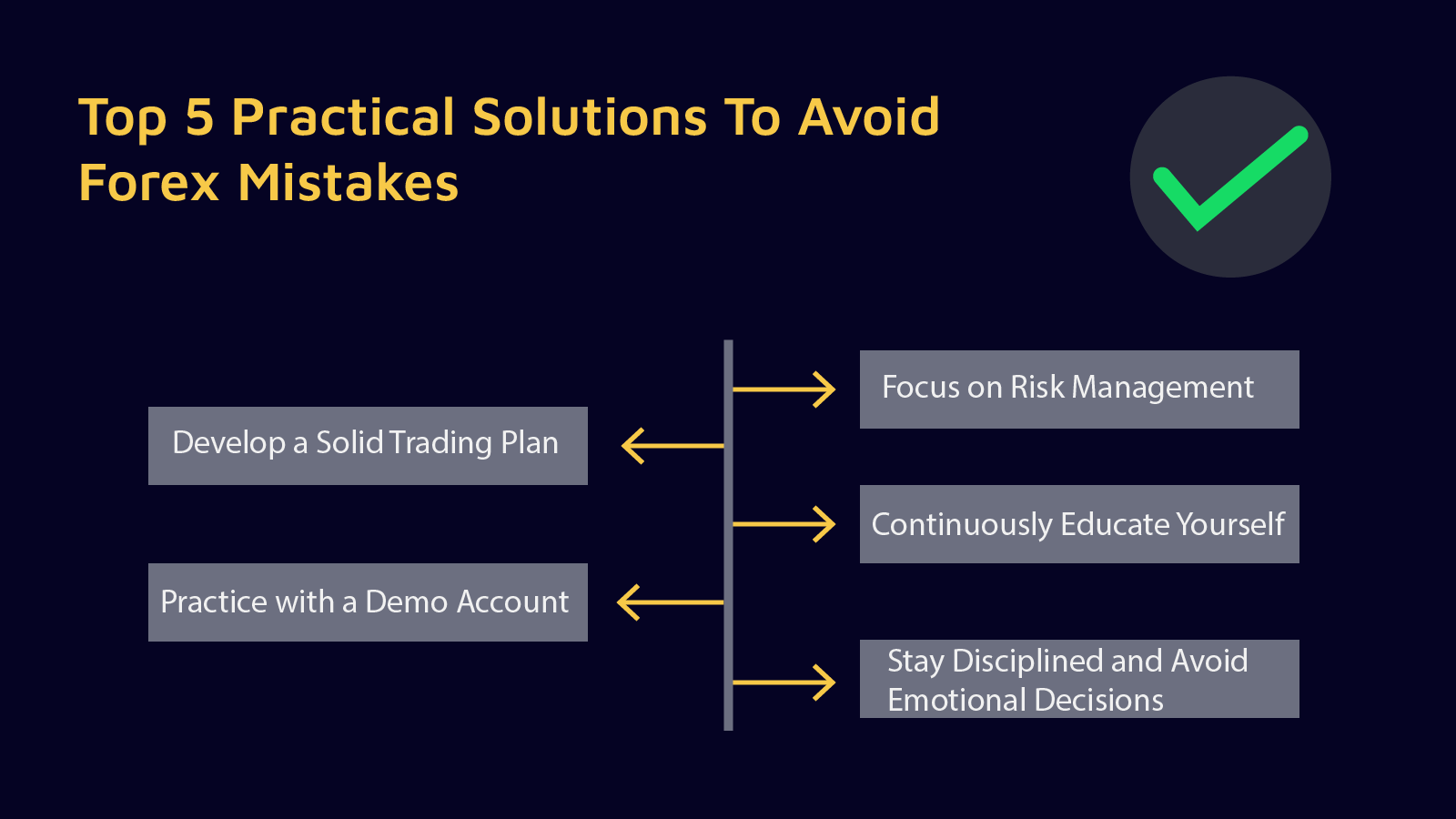
To steer clear of mistakes that new forex traders often make, you need to stay disciplined, informed, and ready to act. Follow these tips to lay a strong foundation and boost your chances of succeeding.
- Create a Clear Trading Plan: Begin by identifying what you want to achieve how much risk you can handle, and the trading style that suits you best. Write down specific strategies to decide when to enter and exit trades, and set rules to handle your positions. Treat your plan like a guide meant to keep you on track and disciplined.
- Use a Demo Account to Practice: Try out your trading platform and test your strategies in a safe fake-money environment before jumping in with real cash. Practicing with a demo account helps you build confidence and tweak your methods without worrying about losing actual money.
- Emphasize Handling Risks: Making sure your money stays safe should come first. Use tools like stop-loss and take-profit orders to keep losses small and secure profits. Be careful when using leverage because it raises both the chance of big wins and big losses. Spread your investments across different assets to reduce your overall risk.
- Keep Learning Always: The forex market keeps changing so you need to keep up. Pay attention to market patterns economic signals, and world events that change how currencies move. Try out fresh trading methods and learn more about ways to manage risks so you can stay on top.
- Stick to Your Plan and Control Your Emotions: Handling emotions like greed or fear is one of the hardest parts of trading. Follow your trading plan even when the market gets unpredictable and steer clear of rash decisions. Long-term success depends on staying consistent and disciplined.
Using these tips can help you avoid typical beginner mistakes. You can grow your confidence and sharpen the skills needed to handle the forex market well. Keep in mind, trading takes time. Patience proper preparation, and staying open to learning are crucial to reaching your goals.
FAQs
Is it a mistake to follow a well-known trader or "guru" and copy their trades?
Yes, it can be a significant mistake. While learning from experienced traders is valuable, blindly copying their trades is a form of emotional trading that bypasses the learning process. A "guru's" strategy might not fit your risk tolerance, capital, or trading psychology. The best solution is to learn their methodology and then adapt it to create your own unique trading plan.
How long should I practice on a demo account before trading with real money?
There's no single answer, but a good rule of thumb is to trade on a demo account until you can consistently execute your trading plan with discipline and profitability for at least three consecutive months. You should also experience both winning and losing streaks on the demo account to understand how to manage your emotions and stick to your plan under different market conditions.
Is it a mistake to use too many indicators on my charts?
Yes. This is a common form of "analysis paralysis". Using too many indicators can clutter your charts, give you conflicting signals, and lead to confusion and hesitation. A more effective approach is to select a few key indicators that complement each other and align with your trading strategy. For example, using a trend-following indicator with an oscillator to confirm momentum is often more effective than using 10 different, often redundant, indicators.
Can I become a full-time forex trader right after avoiding these mistakes?
While avoiding these mistakes is a massive step in the right direction, it doesn't guarantee a full-time career. Becoming a full-time trader requires extensive experience, a well-capitalized account, and the psychological resilience to handle the pressures of the job. Avoiding mistakes is the foundation, but true success comes from consistent application, continuous learning, and treating trading as a business, not a hobby.
What is "revenge trading" and why is it a beginner's mistake?
Revenge trading is the act of immediately entering another trade after a loss in an attempt to "win back" the money you just lost. It's a highly emotional and irrational behavior that completely disregards your trading plan. This mistake often leads to even larger losses because you are not making logical, data-driven decisions. The solution is to step away from the charts after a loss and come back with a clear head.
F. Nathan
Felix Nathan is a professional trader, market analyst, and business development executive with over a decade of experience in the forex and financial markets. Felix specializes in providing actionable market insights, trading strategies, and risk man...