 IUX
IUX
 Exness
 Vantage
 XM
XM
 ICMarkets
 LiteFinance
 Moneta
 Tickmill
 South Africa (9)
 India (9)
 Bangladesh (12)
 Germany (9)
 Thailand (10)
 Philippines (9)
 Nigeria (10)
 Vietnam (10)
 Malaysia (9)





How to Master Forex Trading?



Share:
Share:
Education
6 min read
The key lies in understanding what’s right in front of you: price patterns that repeat across timeframes and market conditions.
This might sound complicated to you, but once you complete the basics of how forex trading works, you might be the one to write your own rules, just like other big names.
It typically begins with thorough education, understanding fundamental and technical analysis, market mechanics, and key terminology like pips, spreads, and leverage.
Let's explore the details to gain the right understanding.
If You’re a Beginner, You Might Need This
So, what exactly is Forex?
Forex (short for foreign exchange) is the global marketplace where currencies trade. It is the most liquid market in the world, with over $6 trillion moving through it every single day (liquidity in forex).
Traders make money by speculating on currency pair price movements, like EUR/USD or GBP/JPY pairs.
Unlike stock markets, there's no central exchange; trading occurs electronically between participants worldwide, operating 24 hours a day, five days a week.
Participants range from central banks and large financial institutions to corporations and individual retail traders.
Now, you are an individual retail trader, and mastering Forex will be quite easy for you to make a safe start.
Learn more: What is FX limit?
So, How Can You Master Forex? 7-Step Blueprint
To master forex, you need a clear trading plan, strong knowledge of price action, proper risk management, and regular practice. With IUX, you can learn strategies, review trades, and build the discipline needed for long-term success.
But, can one truly master forex? I think when it comes to Forex trading, things are a bit nuanced. Which means you can’t learn everything at once.
Most traders blow their accounts not because they’re dumb, but because they lack structure, discipline, and patience.
Here’s how you flip that script and actually master forex:
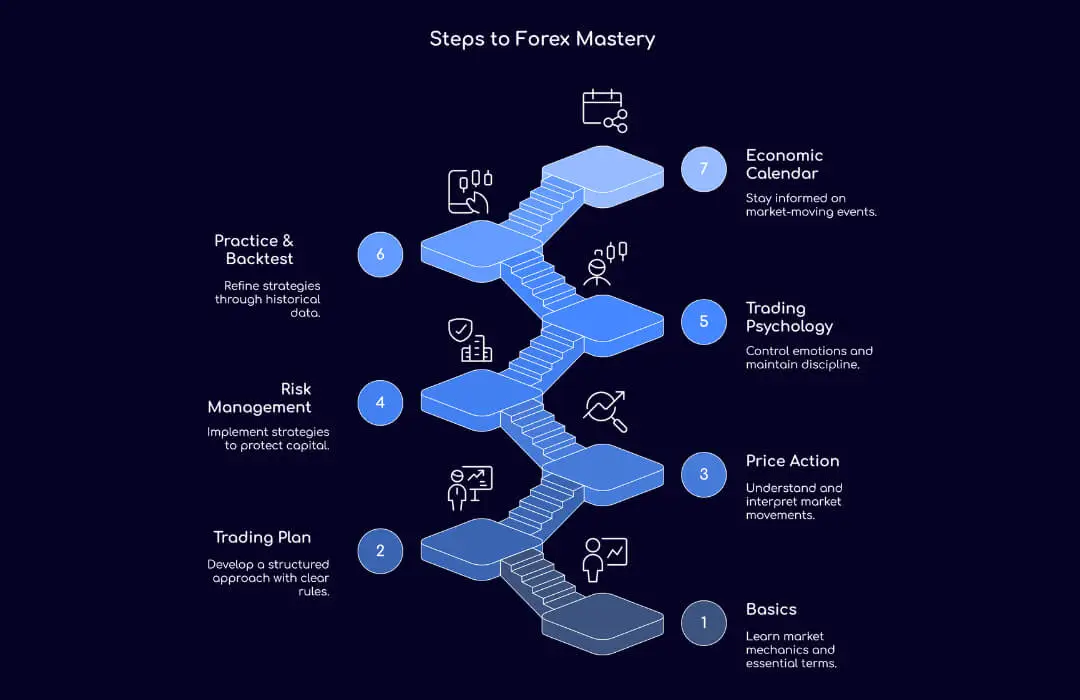
Start With the Basics
You wouldn’t fly a plane without flight school. So don’t jump into forex with real money if you haven’t mastered the foundations.
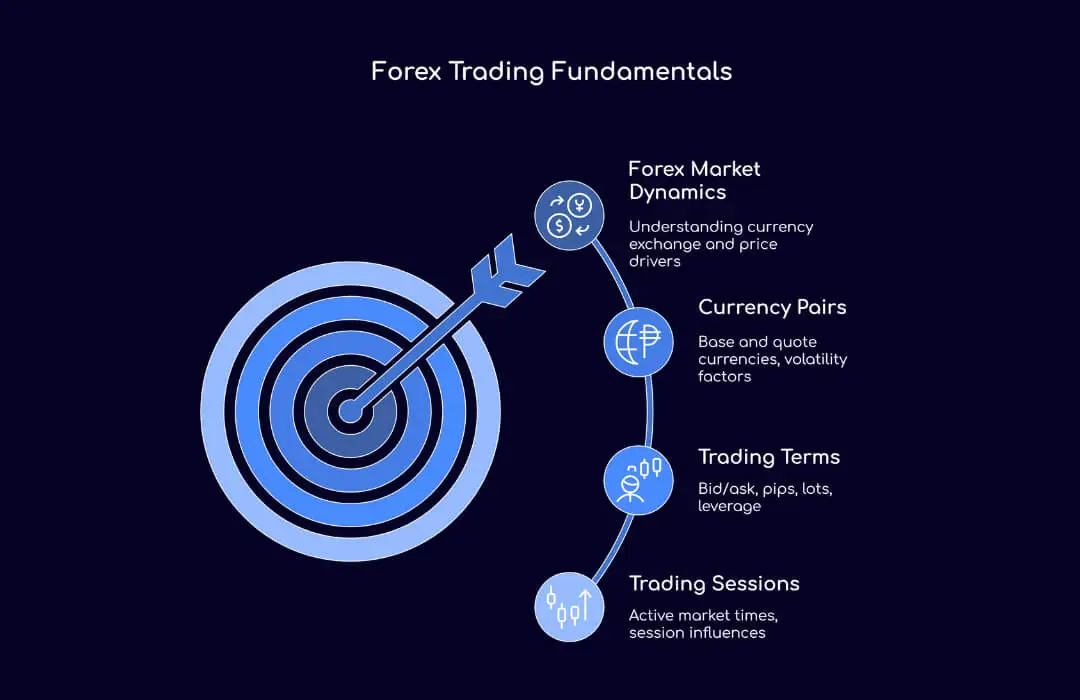
Here’s what you must understand first:
- How the Forex Market Works: Learn how currencies are exchanged and what drives price movement (forex market structure).
- Currency Pairs: Understand base and quote currencies, and why some pairs are more volatile than others (major forex pairs).
- Bid/Ask, Pips, Lots, Leverage: These terms determine how trades are calculated and profits (or losses) are made (FX limit and leverage).
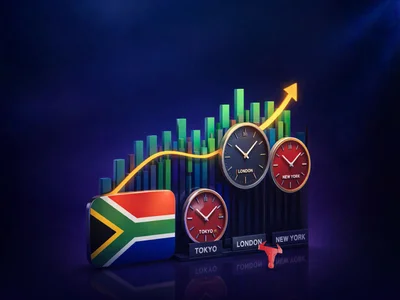
- Timeframes and Trading Sessions: Know when markets are most active. For instance, London and New York sessions are where most action happens (optimal trading times).
Start with a demo account. It’s your testing ground. There’s no real money on the line, but there’s real market data to sharpen your skills.
Prepare a Clear Trading Plan
Master traders don’t rely on luck or gut feelings. They follow a repeatable plan.
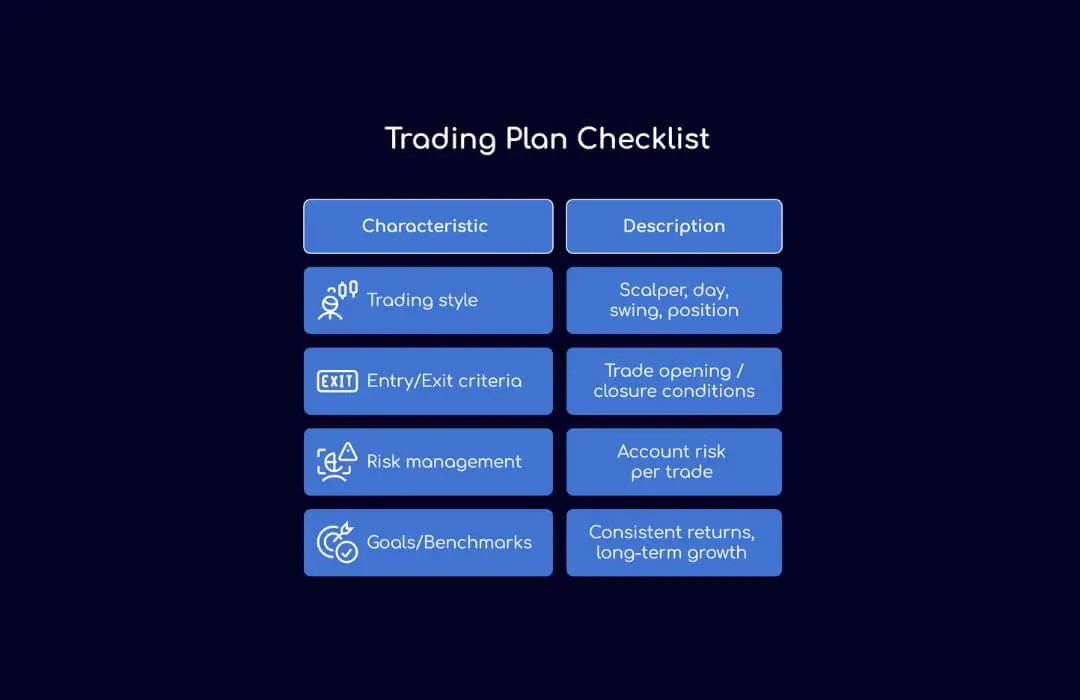
Here’s your trading plan checklist:
- Trading Style: Are you a scalper, day trader, swing trader, or position trader?
- Entry and Exit Criteria: What exactly do you look for before opening or closing a trade (entry/exit points in chart patterns)?
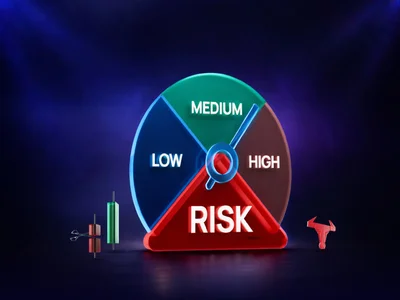
- Risk Management Rules: For example, never risk more than 1–2% of your account on a single trade (forex risk management).
- Goals and Performance Benchmarks: Are you aiming for consistent monthly returns? Looking to grow long-term?
Ultimate, track everything in a journal. Note your reasons for entry/exit, the outcome, and what you learned.
Learn More from Our: Forex trading 2025 simple profitable guide.
The Market Speaks The Language of Price Action. Learn to Listen
If you strip away the noise, like indicators, bots, and overly complicated systems, what’s left is price action.
Price action reflects real-time sentiment from buyers and sellers, helps you spot patterns early, before lagging indicators give you late signals, and works in all market conditions, whether trending or ranging.
Here’s what to master:
- Support and Resistance Levels: These are zones where the price frequently reacts. They're crucial for identifying trade setups and exits (support/resistance guide).
- Candlestick Patterns: Learn the story behind pin bars, engulfing candles, inside bars, and more. These can indicate reversals, momentum shifts, and breakout setups (candlestick pattern trading).
- Trend Recognition: Identify higher highs and higher lows in uptrends, or lower highs and lows in downtrends.
- Breakouts and Fakeouts: Know how to spot genuine momentum versus traps (false breakouts) which are designed to shake you out.
Get Serious About Risk Management
A strong strategy means nothing without protecting your capital.
Even experienced traders lose trades. But the difference is that they lose small, win big, and stay in the game.
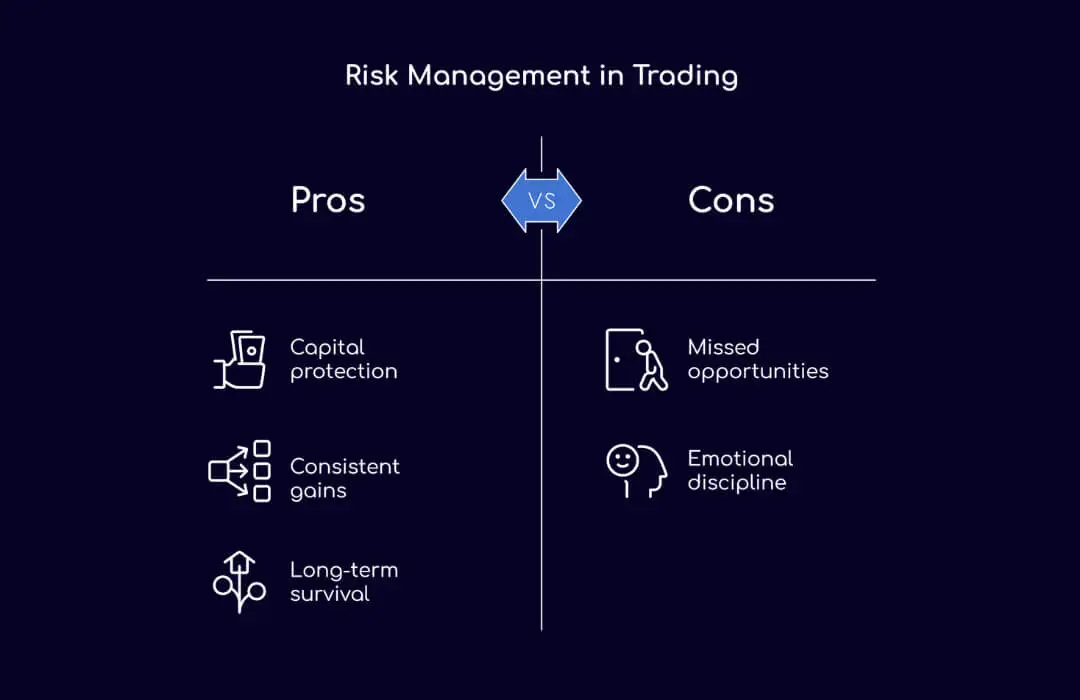
Here’s your risk management toolkit:
- Always place a stop to protect your downside with stop-loss orders.
- Aim for at least a 1:2 risk-to-reward ratio, so you gain more on your wins than you lose on your losses.
- Leverage is a double-edged sword. Manage it wisely and avoid over-leveraging (FX leverage explained).
- Don’t increase position sizes out of greed or revenge trade after losses.
Master Your Mind (Yes, Trading Psychology Matters Too)
Forex isn’t just numbers and charts. It’s also a mental game.
Have you ever closed a winning trade too early because of fear? Jumped into a trade impulsively after a losing streak? Doubted your strategy right after one bad trade?
These are emotional responses, and they can be devastating to your long-term progress.
Here’s how to train your mind for times like these:
- Wait for your setup → No setup, no trade.
- Follow your plan → Trust your system, especially when emotions flare.
- Journal your thoughts → Reflect on how you felt, not just the technical.
Practice, Backtest, Improve
You wouldn’t show up to a game without training. Backtesting is your training ground.
Pull up historical charts and review your strategy across different pairs and timeframes, track how patterns behave in trending vs. ranging markets, and analyze false signals and what they looked like before they failed.
The more you backtest, the more you recognize high-probability setups in real-time.
Keep Track of The Vitals
Use a free economic calendar (like Forex Factory) to stay ahead of the vital information that often affect market prices (economic events and liquidity).
So, look out for NFP (Non-Farm Payrolls), interest rate decisions, inflation reports (CPI) and GDP data, and geopolitical headlines like war, elections, policy changes.
Mastery is a Process, Not a Shortcut
There’s no secret hack that’ll print you money.
But with a smart strategy (like price action trading), strong risk management, mental discipline, and real practice you can “master” forex. Not overnight, but over time, if you’re consistent.
F. Nathan
Felix Nathan is a professional trader, market analyst, and business development executive with over a decade of experience in the forex and financial markets. Felix specializes in providing actionable market insights, trading strategies, and risk man...