 IUX
IUX
 Exness
 Vantage
 XM
XM
 ICMarkets
 LiteFinance
 Moneta
 Tickmill
 South Africa (9)
 India (9)
 Bangladesh (12)
 Germany (9)
 Thailand (10)
 Philippines (9)
 Nigeria (10)
 Vietnam (10)
 Malaysia (9)





Is Forex Trading Gambling?


Share:
Share:
Education
9 min read

Picture two people staring at their screens. One is in a casino, placing bets on a roulette table, heart racing.
The other is on a forex platform, analyzing candlestick patterns and interest rate news before placing a trade.
They both want to make money. But is what they’re doing the same thing?
If you are doing exactly like that guy in casino, throwing your play without any strategies & techniques, just depending on luck, then ofcourse forex trading is gonna be gambling for you.
Is Forex Trading a Form of Gambling or a Legitimate Source of Income?
The line between trading and gambling can seem blurry, especially when you see traders losing their money in minutes or chasing fast profits. But here's the honest answer:
Forex trading is not gambling when done with a strategic, analytical approach and proper risk management.
However, without education and discipline, it can become just as risky and emotionally driven as gambling.
What Exactly is Forex Trading?
Forex, which is short for “foreign exchange,” is the world’s biggest financial playground.
At its core, forex trading is the act of buying one currency while simultaneously selling another, intending to profit from shifts in exchange rates.
How It Works (In Simple Terms)
Think of it like a currency swap at the airport, but on steroids.
For example, if you believe the euro (EUR) will gain value against the U.S. dollar (USD), you might buy the EUR/USD pair.
If the euro does rise, you can sell it back and pocket the difference. If it falls, you take a loss.
It’s that back-and-forth movement, currencies going up and down in value, that traders aim to capitalize on.
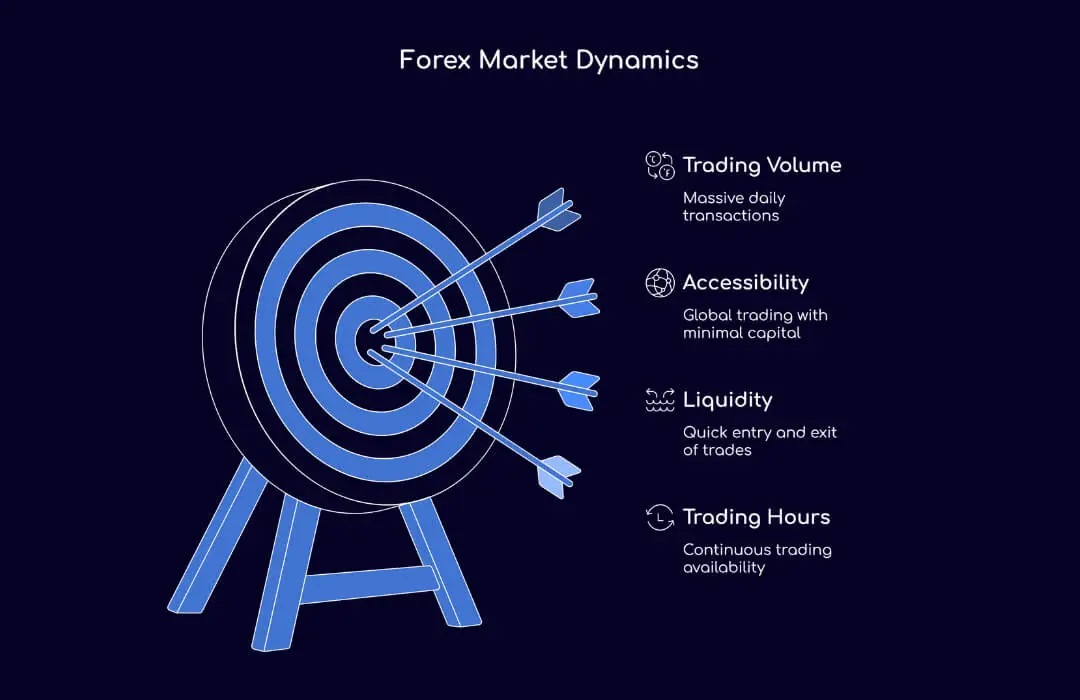
The forex market is massive. We're talking over $7 trillion in daily trading volume. That’s more than the stock, crypto, and commodities markets combined.
Here's why people are drawn to it:
- Open 24/5: Unlike stocks that close daily, forex trades around the clock, Monday to Friday.
- High liquidity: You can enter and exit trades quickly, even with large amounts.
- Small Starting Capital: Thanks to leverage and micro accounts, you can start trading with as little as $50.
- Global Accessibility: You can trade from anywhere with just a smartphone and an internet connection.
It’s not Gambling, It’s Economics in Action
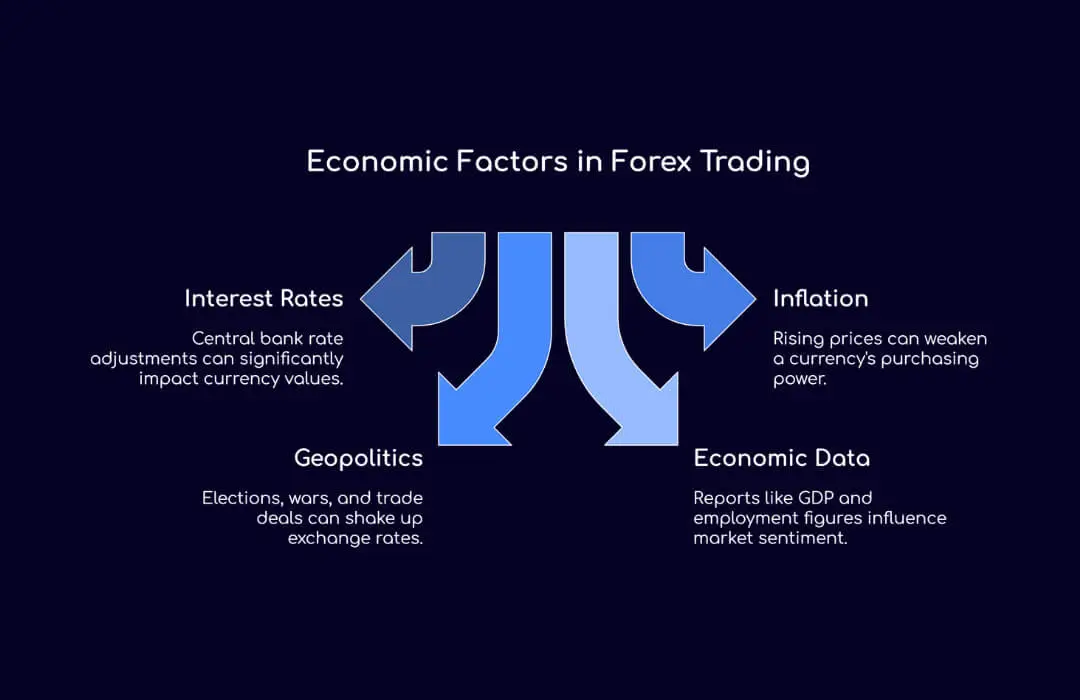
This isn’t a game of luck like poker or a spin of the roulette wheel. Forex is driven by real-world economic forces, such as:
- Interest Rates: Central banks (like the Fed or the ECB) affect currency values by adjusting rates.
- Inflation: Rising prices can weaken a currency’s purchasing power.
- Geopolitics: Elections, wars, trade deals—all of these shake up exchange rates.
- Economic Data: Reports like GDP, employment figures, and retail sales influence market sentiment.
In other words, when you trade forex, you’re not just pressing buttons; you’re interpreting the global economy. Say the U.K. announces strong economic growth, and traders expect the Bank of England to raise interest rates.
This could push up the value of the British pound (GBP) against the dollar (USD). If you buy GBP/USD before the surge, you might earn a profit when the price climbs.
One Quick Warning
Yes, forex offers exciting potential, but it’s not a shortcut to wealth. The same factors that create opportunity also create risk. Without proper risk management, even experienced traders can take losses.
There are a few reasons this comparison keeps popping up:
- High Risk, High Reward: Both can lead to fast wins or devastating losses.
- Emotional Decision-Making: Just like gamblers chase losses, traders can revenge trade after a bad day.
- Short-Term Thrill: Many people trade forex not for long-term investing, but for the excitement of a quick payout.
So yes, trading can feel like gambling, but only if you treat it like one.
To avoid gambling, always remember this no 1 rule of forex trading.
Key Differences Between Forex Trading and Gambling
Here are some key differences in forex trading and gambling:
| Feature | Forex Trading | Gambling |
|---|---|---|
| Is It Based on Skill? | Yes, when strategy and analysis are applied | Based mostly on chance |
| Tools and Data | Charts, economic news, fundamental, and technical analysis | Often limited |
| Risk Management | Stop-loss orders, position sizing, risk-reward ratios | Rarely, there’s usually fixed odds |
| Expected Returns | Can be consistent with discipline | Not at all |
| Does It Need a Long-Term Strategy? | Yes, with proper education | No reliable long-term strategies |
Forex Trading isn’t Gambling, Unless You Turn It Into One
Too many beginners dive in thinking it’s a shortcut to quick cash. And while the market can be profitable, it punishes careless behavior fast.
So, when does forex trading cross the line into pure chance?
Trading Without a Plan
If you’re entering trades without a clear strategy, defined goals, or rules for entry and exit, you’re not trading, you’re guessing. A trading plan is your GPS. Without it, you’re just wandering blind.
Risking Too Much on a Single Trade
Putting half your account on one trade, hoping it “just works”? That’s not brave, it’s reckless. Smart traders always manage their risk. If you’re risking more than you can afford to lose, that’s gambling, not investing.
Using High Leverage Carelessly
Leverage can boost gains, but it also amplifies losses. Using 1:1000 leverage without a strong grasp of position sizing is like driving a Ferrari with no brakes. Fun until you crash.
Ignoring Analysis and Trading on Gut Feelings
"I feel like the market will go up" is not a strategy. Successful traders rely on technical analysis, price action, and news, not vibes and wishful thinking.
Overtrading From Boredom or Excitement
Just because the market’s open doesn’t mean you need to be in a trade. Overtrading usually stems from impulse, boredom, or emotional highs. And that’s when mistakes pile up fast.
What Makes Forex Trading Legitimate?
Forex trading can be a serious, skill-based profession, but only when approached the right way. The difference between a professional trader and someone gambling in the markets comes down to mindset and habits.
Let’s break down what legit trading really looks like:
A Real Trader Doesn’t Just “Buy Low, Sell High.”
They build a strategy based on technical indicators (like RSI, moving averages, MACD), Candlestick patterns (engulfing candles, pin bars, etc.), support and resistance levels, and market trends and momentum.
This strategy helps them make informed decisions, not emotional or impulsive ones. Think of it as a blueprint for how, when, and why to enter or exit a trade.
Risk Management is What Keeps Traders in the Game
Here are some tips for traders:
- Never risk more than 1–2% of your account per trade.
- Always use a stop-loss; don’t leave trades open “just in case”.
- Set take-profit levels to lock in wins.
- Use position sizing based on your account balance and market conditions.
Even the best traders lose trades, but smart risk management ensures they don’t lose their entire account.
Forex Can be a Mental Rollercoaster
What separates pros from amateurs is emotional control. Don’t chase trades out of FOMO (fear of missing out). Don’t revenge-trade after a loss.
Stay calm during wins, overconfidence is just as dangerous as fear. Accept that losses will happen. It’s part of the process, not a failure.
Trading without emotional discipline is like flying a plane without instruments; you might survive a few flights, but it won’t end well long-term.
Markets Evolve. Strategies Must Too
Professional traders are always learning; reading price action like a second language, studying news, economic reports, and market correlations, analyzing past trades using a trading journal, and taking courses, reading books, and even revisiting basics.
The goal is constant improvement. If you’re not learning, you’re falling behind.
Follow a Written, Repeatable Trading Plan
Legit traders don’t trade on gut feelings, they follow a written, repeatable trading plan.
This plan covers entry and exit rules, criteria for setups, risk per trade, daily trading limits, and review routines.
Every trade has a purpose, not just a “vibe.” If it’s not in the plan, they don’t take the trade. Simple.
Forex Trading is Legal in Many Countries
Forex trading is legal in most countries around the world, including the UK, USA, Australia, India, Nigeria, South Africa, and beyond. But here’s the thing:
Legal doesn’t mean unregulated, and it definitely doesn’t mean risk-free.
To protect traders like you, many countries have established regulatory bodies to keep brokers in check and ensure fair, transparent practices.
Forex Trading Broker Regulatory Organization
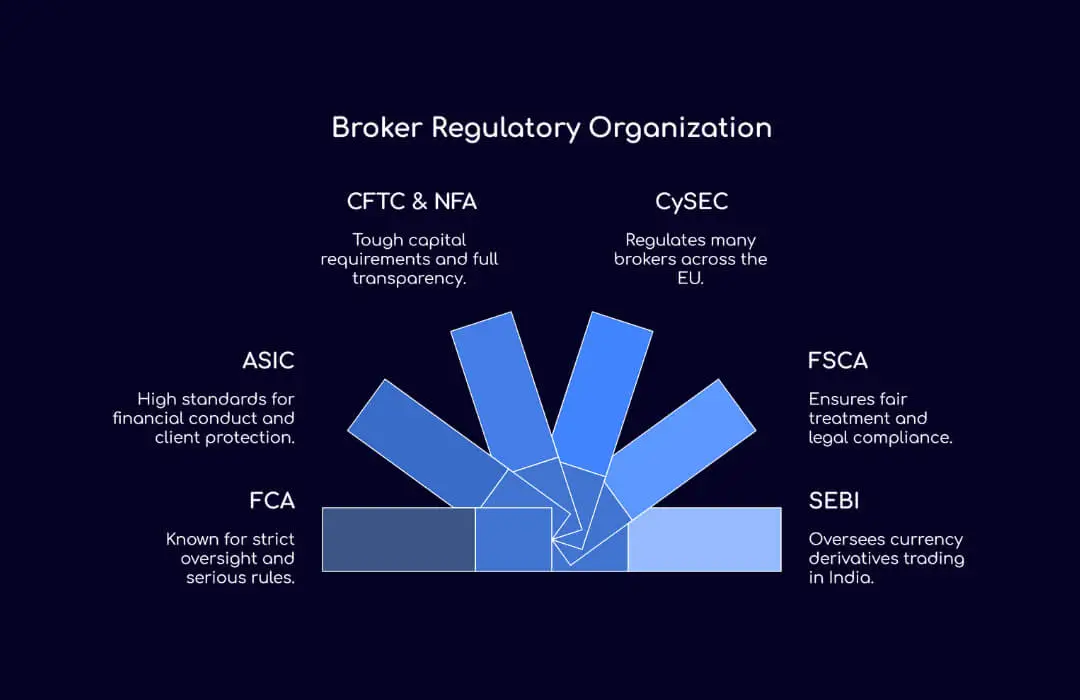
When choosing a broker, always make sure they’re registered with one of these reputable organizations:
- FCA (Financial Conduct Authority) – UK: The FCA is known for strict oversight. If a broker is FCA-regulated, they’re playing by serious rules.
- ASIC (Australian Securities and Investments Commission) – Australia: Aussie regulation means high standards for financial conduct and client protection.
- CFTC (Commodity Futures Trading Commission) & NFA (National Futures Association) – USA: U.S. forex brokers must meet tough capital requirements and provide full transparency. The bar is high for your safety.
- CySEC (Cyprus Securities and Exchange Commission) – Europe: The CySEC regulates many brokers across the EU. Look for CySEC registration if you’re in Europe.
- FSCA (Financial Sector Conduct Authority) – South Africa: These guys ensure that financial service providers follow the law and treat clients fairly.
- SEBI (Securities and Exchange Board of India) – India: While spot forex is limited in India, SEBI oversees currency derivatives trading through regulated exchanges.
Trading through an unregulated broker is like giving your money to a stranger in a dark alley. Sounds dramatic?
Maybe, but people lose thousands every day to scam brokers offering "too-good-to-be-true" spreads and insane leverage.
Regulated brokers typically offer segregated client funds (your money is kept separate from company funds), fair order execution, transparent pricing, dispute resolution systems, and strict anti-money laundering (AML) compliance.
Final words:Forex Trading is a Career, Just Like Any Other
Many professional forex traders make a full-time income. But it takes years of learning, developing strategies, and managing emotions.
It’s not a get-rich-quick scheme. It’s a career path like any other, with its demands, risks, and rewards.
If you treat forex like a casino, chasing quick wins with no strategy, then yes, you’re gambling. But if you treat it like a profession, with risk control, analysis, and discipline, then no, you’re trading.
The difference isn’t in the market. It’s in you.
F. Nathan
Felix Nathan is a professional trader, market analyst, and business development executive with over a decade of experience in the forex and financial markets. Felix specializes in providing actionable market insights, trading strategies, and risk man...