 IUX
IUX
 Exness
 Vantage
 XM
XM
 ICMarkets
 LiteFinance
 Moneta
 Tickmill
 South Africa (9)
 India (9)
 Bangladesh (12)
 Germany (9)
 Thailand (10)
 Philippines (9)
 Nigeria (10)
 Vietnam (10)
 Malaysia (9)





How Can Beginners Take Advantage of Scalping for Quick Profits?



Share:
Share:
Strategy
10 min read
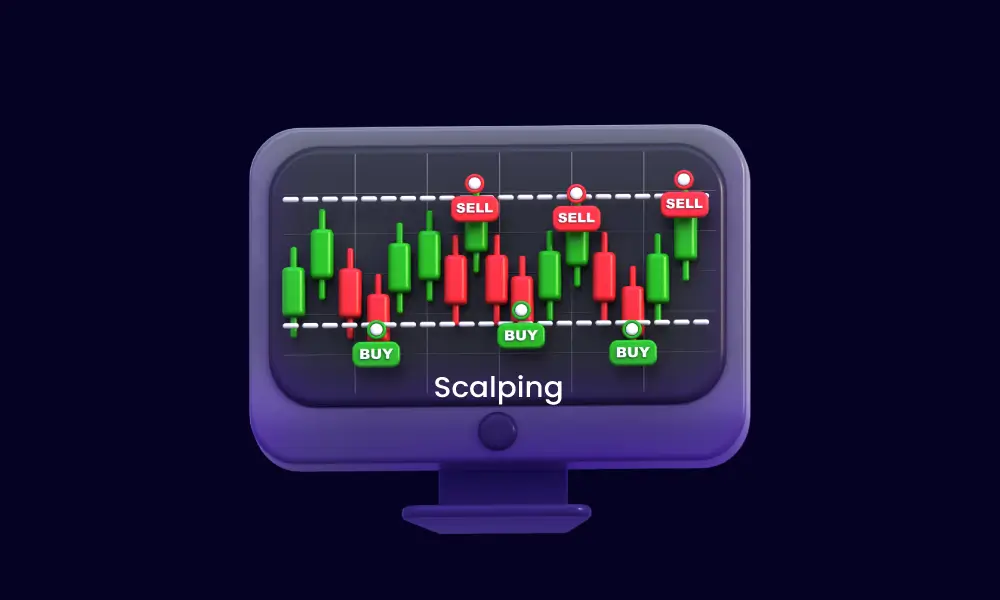
When you're just starting out in forex trading, the idea of making quick profits looks very appealing. Well, you can make a quick buck with scalping, a strategy designed to help you capture small price movements within short timeframes, often minutes.
As a beginner looking to make quick profits, scalping could be an ideal strategy if you do it with the right approach.
So, what is the right approach, and how exactly can you take advantage of scalping as a beginner?
Most Simplified Scalping Explanation on Internet (Literally)
Scalping is a fast-paced trading strategy used in the forex market where traders try to profit from small price movements within very short timeframes, which can be anything from seconds to minutes. It is usually not longer than an hour.
Rather than holding a position and waiting for large market swings, scalpers execute dozens (or even hundreds) of trades in a day. Their goal is to collect tiny gains that will add up over time.
Do you think you have what it takes?
Scalping requires intense focus, lightning-fast decision-making, and often, the using high leverage. Scalpers typically rely on technical analysis, real-time charts, and indicators like moving averages, RSI, and Bollinger Bands to time their entries and exits precisely.
Because the profits per trade are usually small, scalping also requires tight spreads and ultra-fast execution speeds. This means you need to use a broker that will provide low-latency access and ECN or STP trading environments.
Scalping isn’t for everyone, but it might be for you. It’s ideal for traders who thrive under pressure, can make rapid decisions, and are disciplined enough to stick to strict risk management rules. Do these words describe you?
4 Signs You Are Ready to Start Scalping as a Beginner
You've Mastered the Basics of Forex Trading
Scalping isn’t where you learn what a pip is. You should already understand:
How currency pairs are structured (e.g., EUR/USD, GBP/JPY), what spreads are and how they affect your cost, how to set stop-loss and take-profit orders, and the difference between market and limit orders.
If you're still fuzzy on these, it's best to sharpen your basics first.’
You’ve Logged Hours in a Demo Account
A demo account is your training ground. Before risking real money, make sure you've practiced high-frequency trades, tested at least one or two scalping strategies, and learned how to enter and exit positions with precision.
Once you start seeing consistent performance in your demo account, you're likely ready to try the real thing.
You Can Handle Fast-Paced Decisions
Scalping is not for the hesitant. You’ll need to react to price changes in seconds, stick to your strategy without hesitation, and stay calm during rapid market movements.
If you panic under pressure or hesitate to enter trades, scalping might frustrate you more than it rewards you.
You’ve Chosen the Right Broker and Platform
Scalping depends on speed and cost. You’ll want a broker that offers low spreads and fast execution, a scalper-friendly policy (some brokers restrict the practice), and a reliable, lag-free trading platform like MT4, MT5, or cTrader.
Your tools need to work as fast as you think because every pip counts.
Tools and Timeframes You Need as a Beginner Scalper
Start with a 5-minute or 1-minute scalping strategy if you're confident in your skills. But don't rush into ultra-short charts without testing.
Use technical indicators like moving averages or RSI to guide your entries and exits, but keep your charts clean.
Avoid getting overwhelmed. Focus on one or two currency pairs that are liquid (e.g., EUR/USD or GBP/USD). The tighter the spread, the better for scalping.
How Can Beginners Take Advantage of Scalping For Quick Profits?
You can make the most of scalping by focusing on small price movements, utilizing fast execution platforms, and managing risk with tight stop-loss orders to earn quick profits in forex.
The rest of this article will go into much more detail, trust me.
Since You’re a Beginner, Here’s Why Scalping Might Be Perfect For You
Small Profits Usually Add Up
Scalping is about big wins and consistency, too. Beginners tend to make several small trades throughout the day, each one likely earning them a small profit. Over time, these profits will accumulate.
For instance, a 5-pip gain from 10 trades adds up to 50 pips. And if you’re trading a mini lot, that becomes $5. It might not seem like much at first, but this quick accumulation of profits can provide valuable experience and discipline for newer traders.
There’s Minimal Risk
Since each trade involves small amounts of risk (due to tight stop-loss orders), beginners can trade with less pressure of losing a huge sum of their funds.
Scalpers often risk 5-10 pips per trade, and by keeping losses small, they avoid significant account drawdowns.
Scalping is Best Tool For High-Frequency Trading
Scalping works well when market conditions are favorable, with plenty of liquidity and low spreads.
Beginners can profit from price movements in highly liquid pairs like EUR/USD or GBP/USD, as these pairs often have lower spreads and better opportunities for scalping.
You Shouldn’t Skip These Basics As a Beginner Who Wants to Scalp-Trade (Or Things Would Confuse You)
You need to know the fundamentals before you get started, or you’ll go in confused. And we don’t want that, do we? So, here’s an easy start.
Once you’ve got the basics down, patterns are your next step — that’s where real scalping begins. These aren’t just random shapes; they’re quick signals traders use to catch fast moves and clean profits.
Take a look below — the best scalping patterns every beginner should know before diving in.
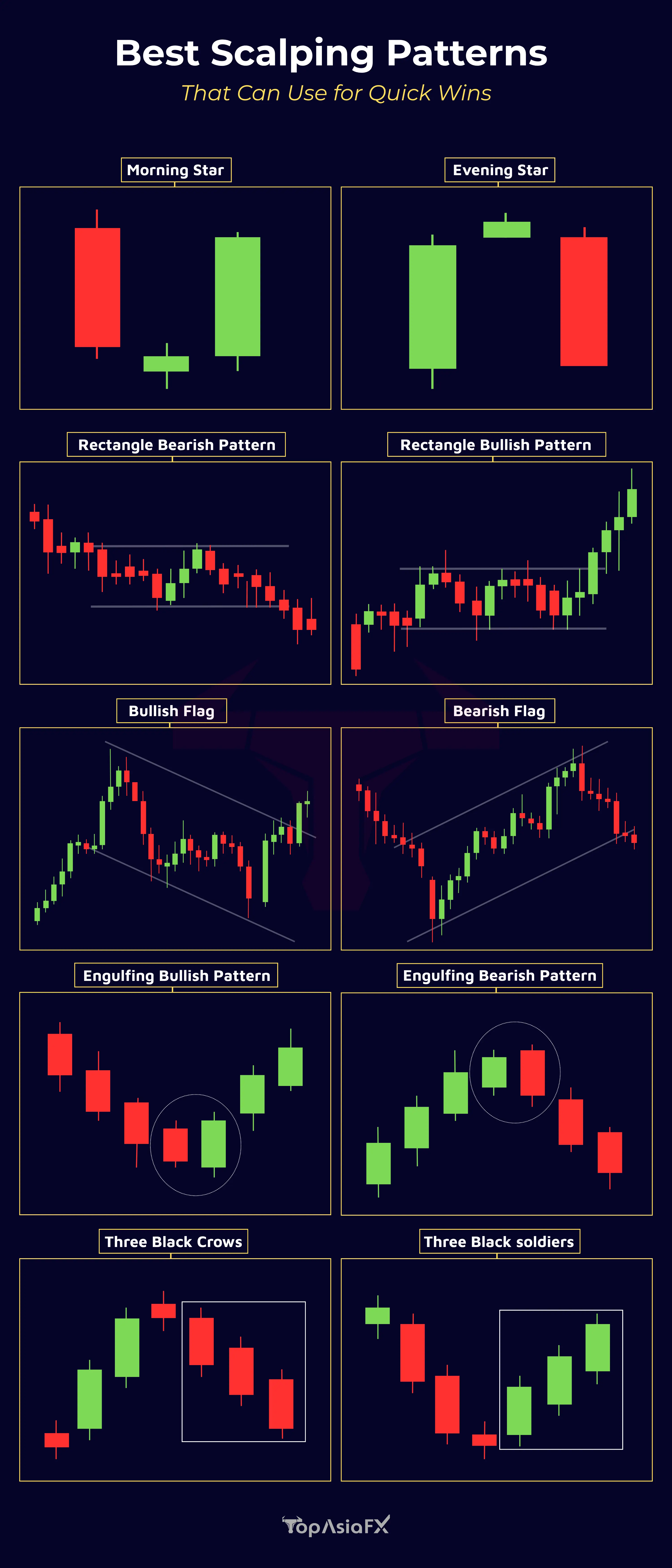
Alright, you got the patterns down — cool. But patterns alone don’t make profits. You also need the right tools, pairs, and a solid plan. Let’s break that down next.
Go With What Works: Choose Right Platform and Tools
To scalp successfully, you need a trading platform with fast execution and access to real-time market data. I suggest looking for platforms that offer quick order execution. Remember you’re trading in short timeframes, so this is super important.
Use Scalping-Ready Pairs (Basically, Major Pairs)
Certain currency pairs move faster and are far more predictable. This means they are better for scalping.
You should focus on major pairs like EUR/USD, USD/JPY, and GBP/USD.
These pairs have higher liquidity, meaning there’s enough market movement for profitable trades but not so much volatility that the trades become too risky.
Set Realistic Profit Goals (Dream Big, But Be Realistic)
Scalping isn’t about hitting massive targets with every trade. Aim for small, consistent wins.
Try to set goals for profit per trade (e.g., 5 pips), and work on making multiple trades throughout the day.
Already Considering Scalping? Here’s a Clear Strategy to Guide You
Use Tight Stop-Losses (They Need to Be Your Best Friend)
In scalping, you're aiming for small profits per trade, which is often just 5 to 10 pips. That means your losses need to be just as small.
A tight stop-loss (placed a few pips away from your entry point) helps limit your downside while protecting your capital from sudden market reversals.
However, don’t make it too tight. If your stop-loss is set too close, even normal price fluctuations (market noise) could knock you out of a trade prematurely.
Find the balance between giving your trade room to breathe and protecting your downside.
Timing is Everything
Scalping thrives on speed and accuracy. You are not waiting for large trends to unfold, you are jumping in and out based on micro-movements.
That’s why you’ll typically work with 1-minute or 5-minute charts. These timeframes show short-term price action in real-time, which allows you to identify quick setups.
Fast reaction times are super important. You’ll need to make decisions within seconds, so it helps to have a well-defined system or checklist that minimizes any hesitation and overthinking.
Choose Right Indicators
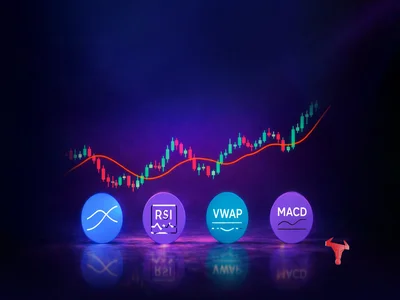
Technical indicators are a scalper’s best friend. They help identify high-probability entry and exit points with minimal delay. For beginners, start with simple but effective tools such as:
- Moving Averages (MA): Moving averages spot the short-term direction of price trends.
- Relative Strength Index (RSI): RSI helps identify overbought or oversold conditions.
- MACD (Moving Average Convergence Divergence): MACD is useful for spotting momentum shifts and crossovers.
Use 2–3 indicators maximum to avoid analysis paralysis. Focus on mastering a simple setup first, then gradually experiment as you gain more experience.
Trade During High Liquidity Hours
Liquidity ensures you can get in and out of trades quickly without slippage.
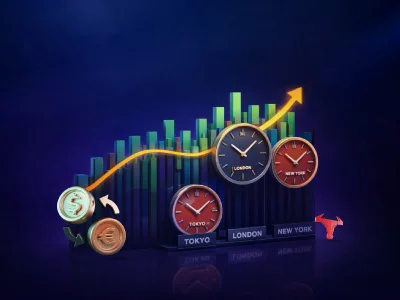
That’s why beginner scalpers are encouraged to trade during peak market sessions, especially during the London session (8 AM to 12 PM GMT) and the New York session (1 PM to 5 PM GMT).
These sessions overlap for a few hours each day, often considered the best time to scalp due to high trading volume, tighter spreads, and stronger price movements.
Avoid scalping during low-volume periods, such as during the Asian session or weekends, as spreads widen and execution may be slower.
Common Mistakes in Scalping
Avoid these common mistakes if you want your scalping strategy to work:
Overtrading
You’ve probably heard this one too many times. Well, here you are again.
Scalping, by nature, involves opening and closing multiple trades in a day. But just because you can place a lot of trades doesn’t mean you should.
One of the biggest dangers for beginners is overtrading. This is basically jumping into the market without clear setups, chasing every tiny price fluctuation, and letting emotions drive decisions.
Overtrading can lead to:
- Mental fatigue, when too many trades can wear you out, leading to sloppy decisions.
- Increased transaction costs, because more trades equal more spread or commission costs, which will eat into your profits.
- Lower-quality trades. The more you trade impulsively, the further you stray from your strategy.
The solution is to create a trading plan with a fixed number of quality setups to focus on each session. Don’t force trades if the conditions aren’t right.
Ignoring Risk Management
Because scalping involves small gains, many traders mistakenly think risk management isn't as crucial. In reality, the exact opposite is true.
Without strict risk controls, a few bad trades can quickly erase hours of progress, or worse, blow your account.
Problems arise when stop-losses are too loose or not used at all, trade sizes are too large (overleveraging), and you let losing trades run, hoping for a reversal.
Even in scalping, your risk per trade should be limited to 1–2% of your total capital. That way, even a string of losses won't cripple your account.
Use a position size calculator, stick to tight stop-losses, and evaluate risk-to-reward on every trade, even if you're only targeting 5–10 pips of profit.
A Quick Look at How Much Capital You Need For Scalping
One of the best things about scalping is that it doesn’t require a huge capital investment to get started. Depending on the broker, beginners can start with as little as $100–$500.
However, keep in mind that larger capital can increase your potential for making more significant profits over time.
Conclusion
Scalping is a great way for beginners to dip their toes into forex trading with quick profits and manageable risk.
When you understand the strategy, use the right tools, and maintain discipline, you can gradually build experience in the fast-paced world of scalping.
F. Nathan
Felix Nathan is a professional trader, market analyst, and business development executive with over a decade of experience in the forex and financial markets. Felix specializes in providing actionable market insights, trading strategies, and risk man...